Gold and silver make new all-time highs of $4,660 and $94 as Bitcoin crashes by $4,000
Bitcoin just crashed by nearly $4,000 in one hour, dropping to $92,000 after $500 million worth of levered longs got wiped out.
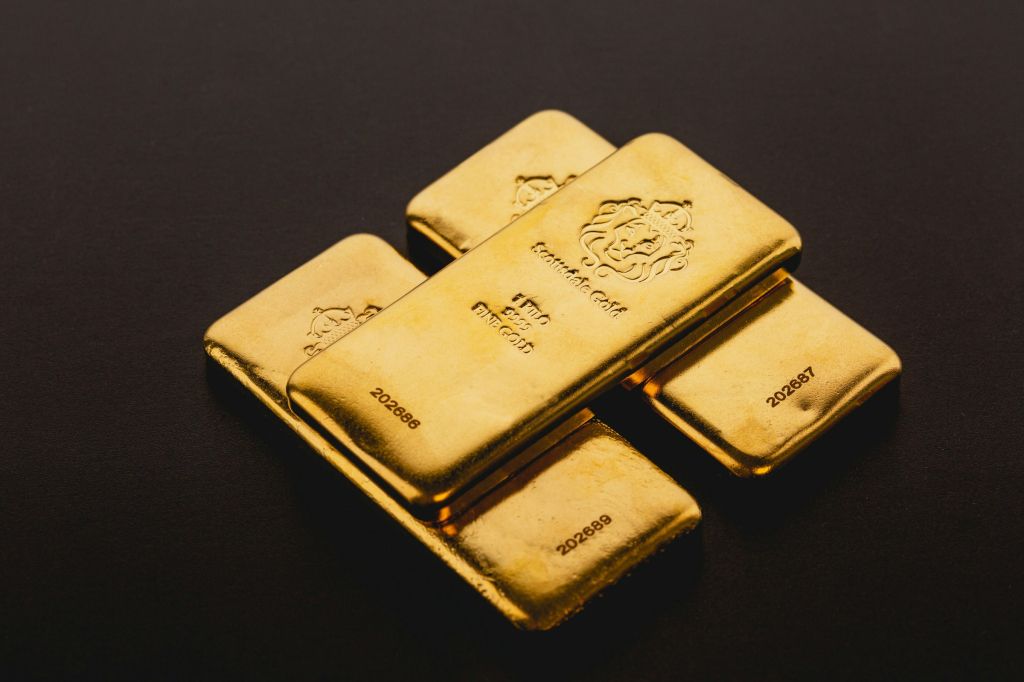
Gold just hit a new all-time high of $4,660/oz, ripping higher as traders pile into havens after Trump slapped new tariffs on Europe.
Silver jumped to $94, breaking its own record, as metals rally across the board on growing global tensions.
Live Reporting
01:45 Trump tariff threat sparks $4K Bitcoin crash, $94 silver, and record gold
Markets opened straight into chaos as Bitcoin plunged nearly $4,000 in one hour, triggered by a $500 million liquidation wave that wiped out leveraged long positions.
Bitcoin is now trading at $92,000, down from just above $96K earlier in the session.
At the same time, silver spiked to $94, breaking historic highs, and gold futures hit $4,660 per ounce, setting a new all-time high.
Traders rushed into havens after President Donald Trump confirmed a 10% tariff on eight EU countries, including France, Germany, and the UK, all of whom opposed his plan to acquire Greenland. The first round of tariffs starts February 1, and will rise to 25% in June.
Asia-Pacific equities slid, with Japan’s Nikkei 225 down 1.23% at 53,270.10, leading regional losses. Australia’s S&P/ASX 200 dropped 0.33% to 8,874.30, and South Korea’s Kospi dipped 0.04% to 4,838.63, despite initially bucking the broader downtrend.
China’s key economic data is due soon, including Q4 GDP, retail sales, urban investment, and industrial output for December.
Meanwhile, Hang Seng futures in Hong Kong priced in losses, falling to 26,640, below the
index’s last close of 26,844.96.
What to know
Gold just hit an all-time high of $4,660, exploding higher as traders scramble for safety after Trump announced a 10% tariff on eight EU nations.