•
•
•
•
•
•
•
•
•
•
•
•
•
•
•
•
•
•
•
•
•
•
•
•
•
•
•
•
•
•
•
•
•


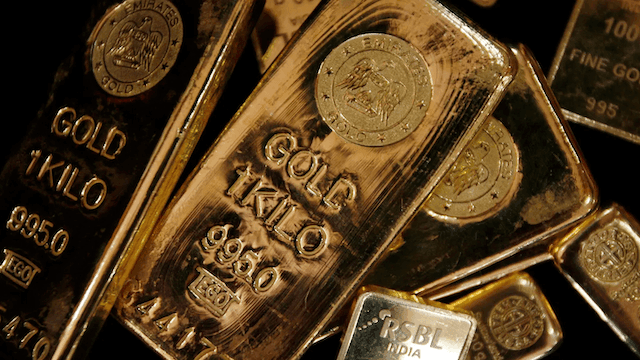
Gold prices fell to around $4,700 on 23 April as the U.S. dollar strengthened and oil prices rose, reviving concerns about inflation. Investors are also assessing the outlook for the U.S.–Iran conflict as talks remain stalled.
Gold spot declined 0.6% to $4,706.49 per ounce. U.S. gold futures for June delivery also fell 0.6% to $4,727 per ounce.
The dollar’s strength made gold more expensive for holders of other currencies. At the same time, the 10-year U.S. Treasury yield rose to its highest level in more than a week, increasing the opportunity cost of holding gold, which does not pay a yield.
Ole Hansen, Head of commodity strategy at Saxo Bank, said gold prices remain driven by the oil market. Higher energy costs can raise the risk of a stronger dollar and higher inflation in the near term.
Higher oil prices also tend to increase inflation pressure, which can make it more likely that interest rates stay high for longer. While gold is often seen as an inflation hedge, higher rates reduce the appeal of non-yielding assets such as gold.
Brent crude rose above $100 a barrel as talks stalled and both sides continued to restrict traffic through the Hormuz Strait. Iran seized two ships in the strait while tightening control of the shipping lane after President Donald Trump announced a pause to unilateral attacks, with no signs of peace talks resuming.
Iranian officials said they had not agreed to extend the ceasefire and accused the U.S. of violating the agreement by continuing to blockade Iran’s maritime trade.
A Reuters poll indicated the Federal Reserve could wait at least six months before cutting rates this year, citing energy shocks from the conflict as a factor keeping inflation persistent.
Hansen added that the current consolidation phase appears to be a pause driven by rate uncertainty rather than a change in trend. He said he still expects gold to reach new highs by late 2026 or early 2027.






Premium gym chains are entering a “golden era” that is ending or already in decline, as rising operating costs collide with shifting consumer preferences toward more flexible, community-based ways to exercise. Long-term memberships are shrinking, margins are pressured by higher rents and facility expenses, and competition from smaller, more personalized…