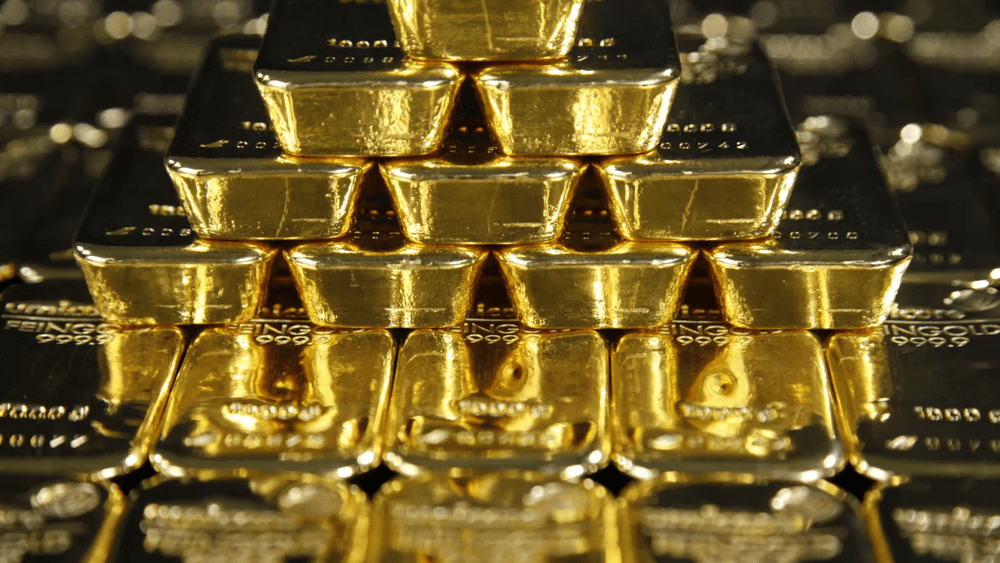
Gold prices fell in trading on Thursday (23 April), slipping below the key level of $4,700 per ounce as oil prices continued to rise, fanning inflation fears and the prospect of higher rates for longer. The SPDR Gold Trust, the world’s largest gold-backed ETF, posted another day of net selling.
At the close, spot gold in New York traded at $4,693.80 per ounce, down $47.10 from the prior session’s close, roughly a 1% drop, according to data from Kitco.
Spot silver settled at $75.56 per ounce, down $2.26, about 2.9%.
On the COMEX futures market, gold for June 2026 delivery settled at $4,724 per ounce, down 0.6%.
This session, gold prices were again driven by two main factors: the price of oil and the value of the U.S. dollar.
Crude oil prices rose as the Middle East conflict intensified.
Brent crude for delivery in London rose about 3% to settle at $105.07 a barrel. WTI for delivery in New York rose about 3% to settle at $95.85 a barrel.
The deadlock in the Hormuz Strait remains unresolved, with Iran continuing to require permission for ships to pass through the strait. A video broadcast by Iran’s state media on Thursday showed Iranian special forces assaulting a large cargo vessel in Hormuz.
Meanwhile, President Donald Trump said on the same day that the United States has gained “full control” over the sea lane and ships would need to be permitted by the U.S. Navy to pass through the strait.
Also on Thursday, Israel’s defense minister said Jerusalem is waiting for a green light from Washington to renew the fight against Iran. Separately, Israel’s N12 reported that Iran’s top negotiator, Speaker Mohammad Bagher Ghalibaf, had resigned under pressure from the IRGC.
The report has not been confirmed, but the possibility of IRGC involvement raises concerns that Tehran may take a tougher stance in negotiations with the United States.
Investors are cautious that a potential truce between the U.S. and Iran could break down at any moment, potentially sending oil higher and pulling other assets lower, including gold. The gold price near $4,900/oz last Friday now appears farther away as the momentum of gold’s rally wanes, according to Tai Wong, an independent precious metals trader with Reuters.
A higher oil price also raises inflationary pressure, increasing the likelihood that central banks will hike rates or keep them higher for longer to combat inflation, creating an environment unfavorable to non-yielding assets like gold. In a Reuters poll, economists expect the Federal Reserve to wait at least six months before cutting rates this year.