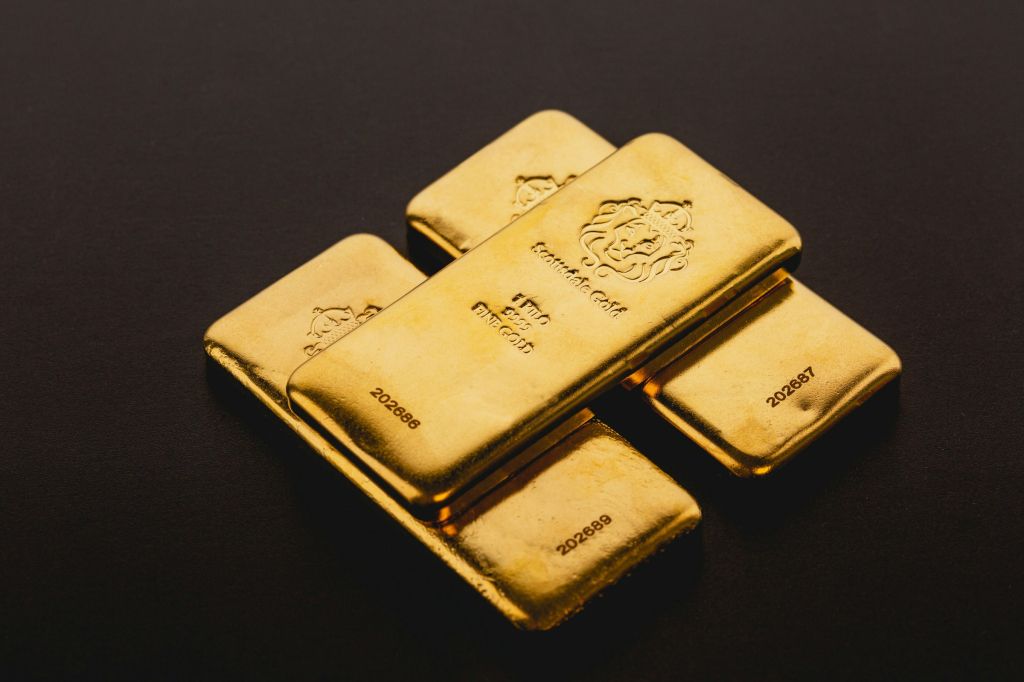
Vaneck CEO Jan Van Eck jumps in on the A.I. bubble debate and explains his outlook for gold on ‘Barron’s Roundtable.’ Gold’s stratospheric rise, the best percentage gain since 1979, surprised even the most bullish metal mavens as Wall Street firms chased the run-up. The precious metal, which sat at $2,606 last December, rallied over 66% in 2025, hitting a series of new highs, settling around the $4,325 level at year-end.\n\nLooking ahead, firms, including Bank of America, see the yellow metal reaching $5,000 an ounce due to continued central bank buying, rising deficits tied to U.S. fiscal policy and a weaker U.S. dollar, wrapping its worst year since 2017 with the Wall Street Journal Dollar
Index down over 6%.\n\n"It's still underinvested, I think at the at the moment. And gold markets don't normally come to an end because their overbought, gold markets come to and because the underlying motives that actually started the bull market have subsided and that honestly we don't see. I think everything that I outlined before and what made us bullish I think is still very much in place now," said Bank of America strategist Michael Widner during a metals roundtable hosted in mid-December.\n\nGold prices hit record highs in 2025. (iStock / iStock)\n\nWhile the price target bakes in around a 14% advance from current levels, "a hawkish tilt by the Fed is a risk," Widner wrote.\n\nThe Federal Reserve cut interest rates a quarter point in December, the third consecutive cut in 2025. Officials also signaled the resumption of treasury buying.\n\n"As detailed in a statement released today by the Federal Reserve Bank of New York, reserve management purchases will amount to $40 billion in the first month and may remain elevated for a few months to alleviate expected near-term pressures in money markets. Thereafter, we expect the size of reserve management purchases to decline, though the actual pace will depend on market conditions," Chairman Powell reviewed in his December press conference."