•
•
•
•
•
•
•
•
•
•
•
•
•
•
•
•
•
•
•
•
•
•
•
•
•
•
•
•
•
•
•
•
•


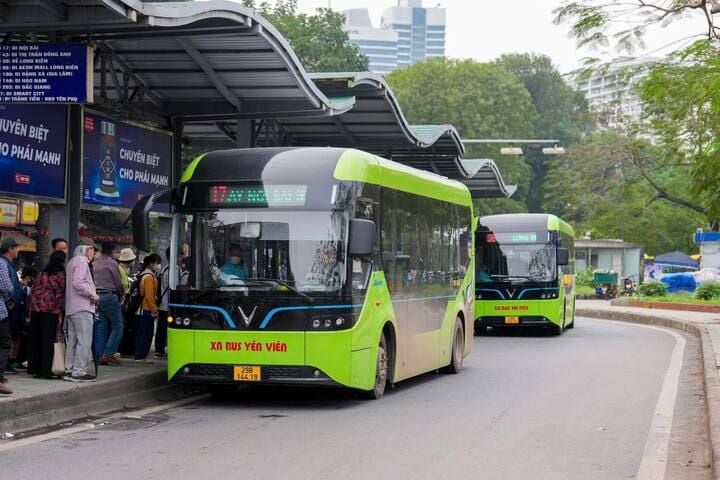
Hanoi has not yet adopted a policy to waive bus fares for all residents, the Hanoi Department of Construction said, responding to reports that suggested the city was proposing a “free bus plan.” In a newly issued public document on fare collection policies for public passenger transport, the department said some media coverage did not accurately reflect Hanoi’s actual policy and has led to public confusion.
According to the Hanoi Department of Construction, the city currently does not have a policy to waive public transport fares for a broad segment of the population. This includes groups such as people with meritorious services, people with disabilities, the elderly, children under six years old, and residents from poor households, in line with Resolution No. 07/2019/NQ-HĐND dated July 10, 2019.
The department said Hanoi is urgently finalizing procedures to submit to the National Assembly for consideration of enacting a resolution through amendments to the Capital City Law. After the document is issued and takes effect, Hanoi will specify the law’s contents, including updates to support policies and incentives intended to encourage residents to use public transport. The stated aim is to help reduce traffic congestion and environmental pollution.
In the April 1 session of the Fifth Conference of the City’s Party Committee for the 2025–2030 term, Ho Chi Minh City Party Secretary Tran Luu Quang said the Standing Committee has a policy to provide free bus rides for residents in the city and free border infrastructure. Preliminary calculations cited by the party secretary indicate Ho Chi Minh City plans to spend about 7,000 billion dong on the free-bus package.
The rationale provided includes addressing congestion, flooding, and environmental pollution, while encouraging residents to shift from private cars to bus travel. The party secretary also asked the Department of Construction to advise on effective implementation and to reorganize bus routes to improve efficiency, punctuality, and courtesy, alongside economic mechanisms and measures to increase the number of electric buses to address environmental challenges.



Premium gym chains are entering a “golden era” that is ending or already in decline, as rising operating costs collide with shifting consumer preferences toward more flexible, community-based ways to exercise. Long-term memberships are shrinking, margins are pressured by higher rents and facility expenses, and competition from smaller, more personalized…