•
•
•
•
•
•
•
•
•
•
•
•
•
•
•
•
•
•
•
•
•
•
•
•
•
•
•
•
•
•
•
•
•


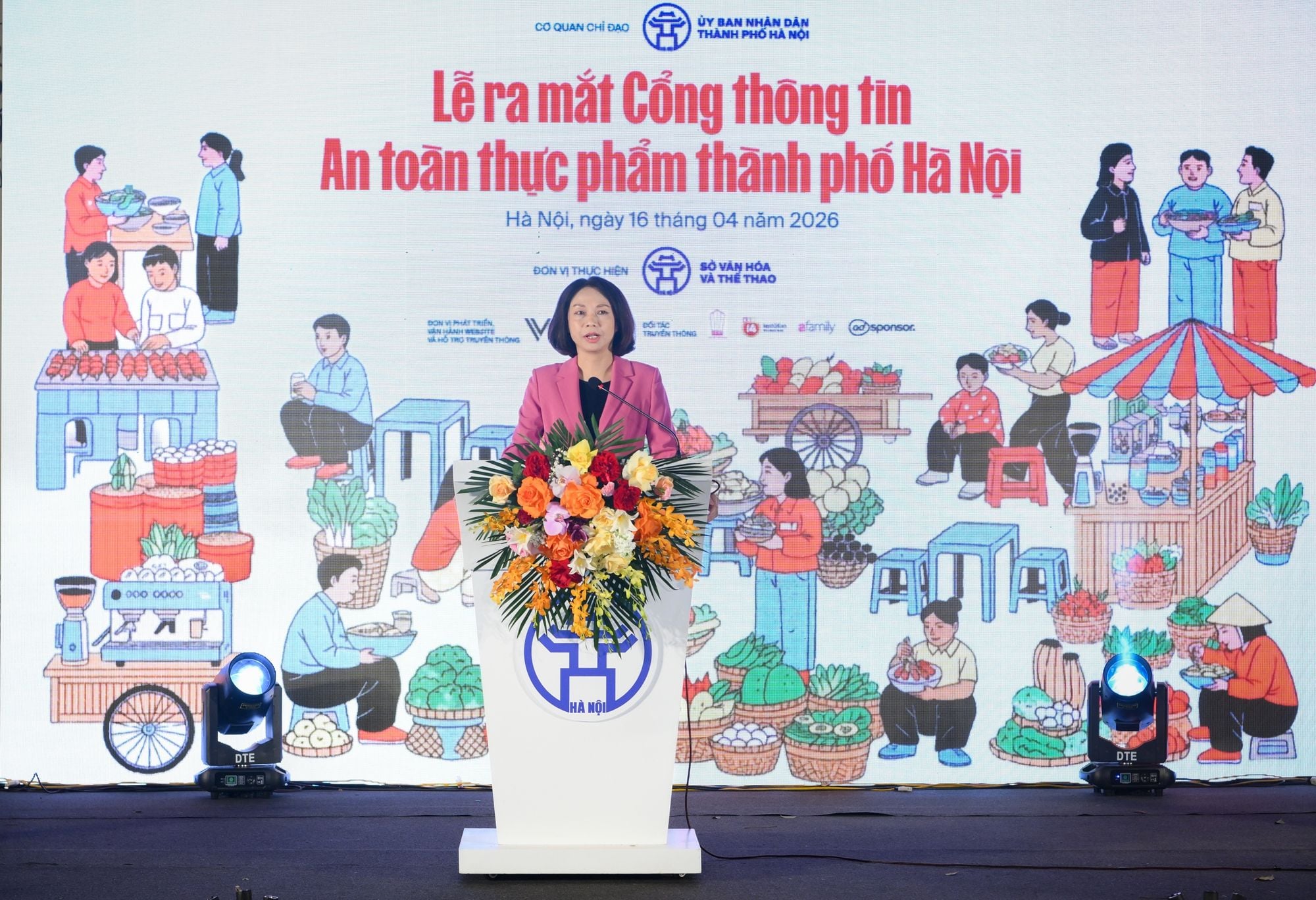
On April 16, the Hanoi City People’s Committee’s Steering Committee for Food Safety organized the launch of the Food Safety Information Portal at the domain antoanthucpham.hanoi.gov.vn, integrating search, feedback, and monitoring results on a single platform publicly accessible for residents. The event was part of the 2026 Action Month for Food Safety.
In the context of growing public concern about food safety, one practical challenge is that information related to inspections, lists of violating facilities, and consumer alerts is often scattered across different authorities, making it difficult for the public to access conveniently and promptly. The Hanoi Food Safety Information Portal was created to address this situation.
The launch ceremony was attended by representatives from the Hanoi People’s Committee, the Propaganda and Mobilization Department (Ban Tuyên giáo và Dân vận Thành ủy), members of the Food Safety Steering Committee, relevant departments, ward representatives, media agencies, and representatives of the business community—including food production and trading facilities, catering service providers, and professional associations in the culinary sector.
The portal is designed as the city’s official digital information channel in the field of food safety, providing complete and timely content on directives and operations; inspection results and penalties; lists of compliant and violative facilities; along with warnings and recommendations for the public and businesses—all consolidated at a single address and accessible to anyone at any time.
This marks a meaningful shift in governance: rather than information being published through disparate channels, the platform adopts a default principle of transparency—data updated continuously, systematically, and publicly verifiable.
A key feature is the ability for residents to submit feedback about unsanitary businesses, suspicious products, or issues arising during consumption—and to monitor processing progress and access feedback results on the same platform.
Thus, the portal contributes to a more integrated process of recording—classifying—handling—feedback—publicizing results. When the community participates in this feedback cycle, food safety oversight becomes a collective effort rather than merely the responsibility of the inspection apparatus.
Residents are watchdogs, not only recipients of information.
Hanoi is home to more than eight million people and is one of the region’s top culinary destinations—both residents and visitors expect quick and precise access to food safety information. The portal is developed to operate on multiple platforms, mobile-friendly, and aligned with the capital’s culinary culture—not only for administrative lookups but as a practical tool that residents and visitors can use before and while choosing dining venues.
The portal is now officially active and will continue to be enhanced with new features over time. This represents a concrete step in applying digital governance to state management and opens a new approach to food safety management with community participation.
A digital platform does not by itself guarantee food safety. But it can do what no inspection team can do: remain continuously present, publish data beyond office hours, and empower the community with tools to protect themselves—day by day, meal by meal.








Premium gym chains are entering a “golden era” that is ending or already in decline, as rising operating costs collide with shifting consumer preferences toward more flexible, community-based ways to exercise. Long-term memberships are shrinking, margins are pressured by higher rents and facility expenses, and competition from smaller, more personalized…



