•
•
•
•
•
•
•
•
•
•
•
•
•
•
•
•
•
•
•
•
•
•
•
•
•
•
•
•
•
•
•
•
•


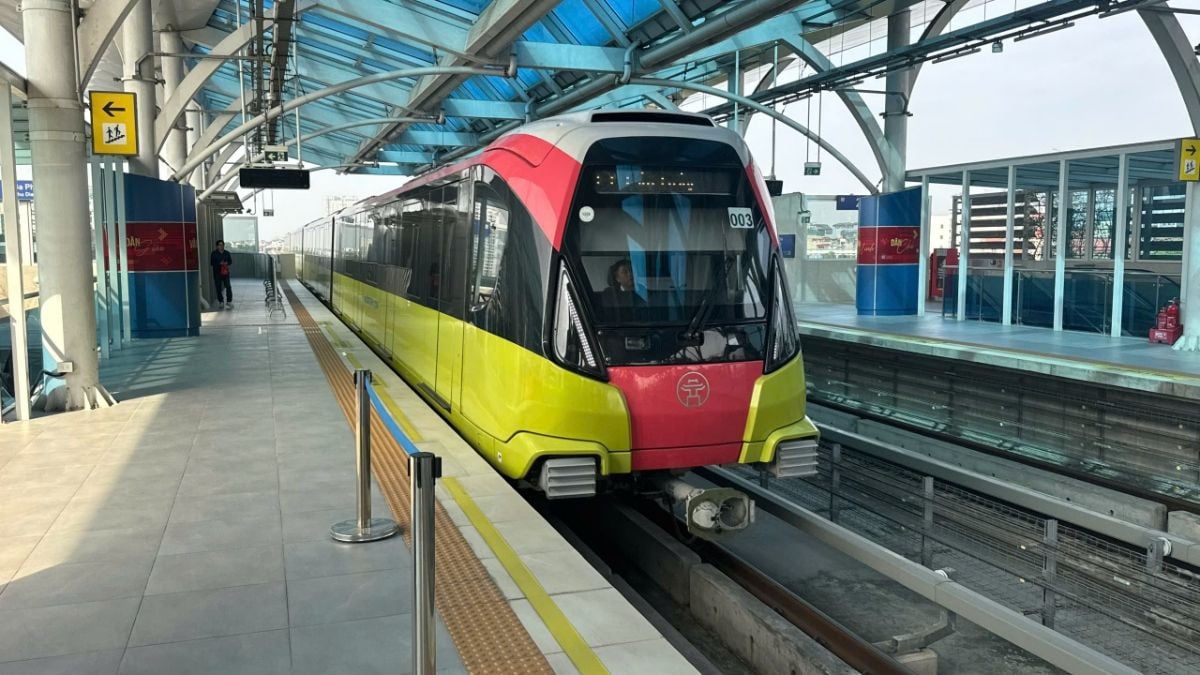
The Hanoi Department of Construction has issued a report and proposed that the city’s People’s Committee approve waiving fares for subsidized public transport, including buses and urban rail, during the Hung Kings’ Day and the 30 April–1 May 2026 holidays. According to the Department of Construction, this year’s long holiday lasts several days, and travel, sightseeing, and tourism demand among residents of the capital and nearby localities is expected to rise, placing significant pressure on the urban transport system. Past fare-free periods have shown a strong rise in passenger numbers. During the National Day holiday on 2 September 2025, urban rail served more than 686,000 passengers over four days, about three times the usual level; buses averaged over 335,000 passengers per day, up about 3.4 times. During the Lunar New Year 2026, total free ridership reached 1.31 million, up 68% year-on-year. Based on this, the Hanoi Department of Construction proposes free fares on all 128 subsidized bus routes and two urban rail lines, Cat Linh–Hà Đông and Nhổn–Ga Hà Nội (elevated section). Regarding implementation timing, the agency proposed two options: 9 consecutive days of fare-free service from 25/4 to 3/5, or split into two phases according to each holiday, totaling 7 days. The Department recommends choosing the 7-day option to suit practical conditions. During the fare-free period, passengers will still be issued single-use or electronic tickets but will not be required to make payments. Transport units are responsible for compiling statistics and reporting ridership to provide a basis for settlement. The corresponding revenue will be reimbursed by the budget according to regulations. Estimated funding support is about VND 16.2 billion if implemented over 7 days and about VND 20.6 billion if implemented over 9 days, allocated from the public transport subsidy budget for 2026. The Hanoi Department of Construction believes that fare-free should not only facilitate residents and reduce travel costs but also help limit private vehicles, ease congestion and pollution, and support tourism and consumer demand during peak periods. The department also proposed assigning a lead unit to coordinate with transport authorities to implement the plan, monitor demand to adjust service frequency to ensure safe and efficient passenger service; and coordinate with relevant agencies for publicity and budgeting in accordance with regulations.




Premium gym chains are entering a “golden era” that is ending or already in decline, as rising operating costs collide with shifting consumer preferences toward more flexible, community-based ways to exercise. Long-term memberships are shrinking, margins are pressured by higher rents and facility expenses, and competition from smaller, more personalized…