•
•
•
•
•
•
•
•
•
•
•
•
•
•
•
•
•
•
•
•
•
•
•
•
•
•
•
•
•
•
•
•
•


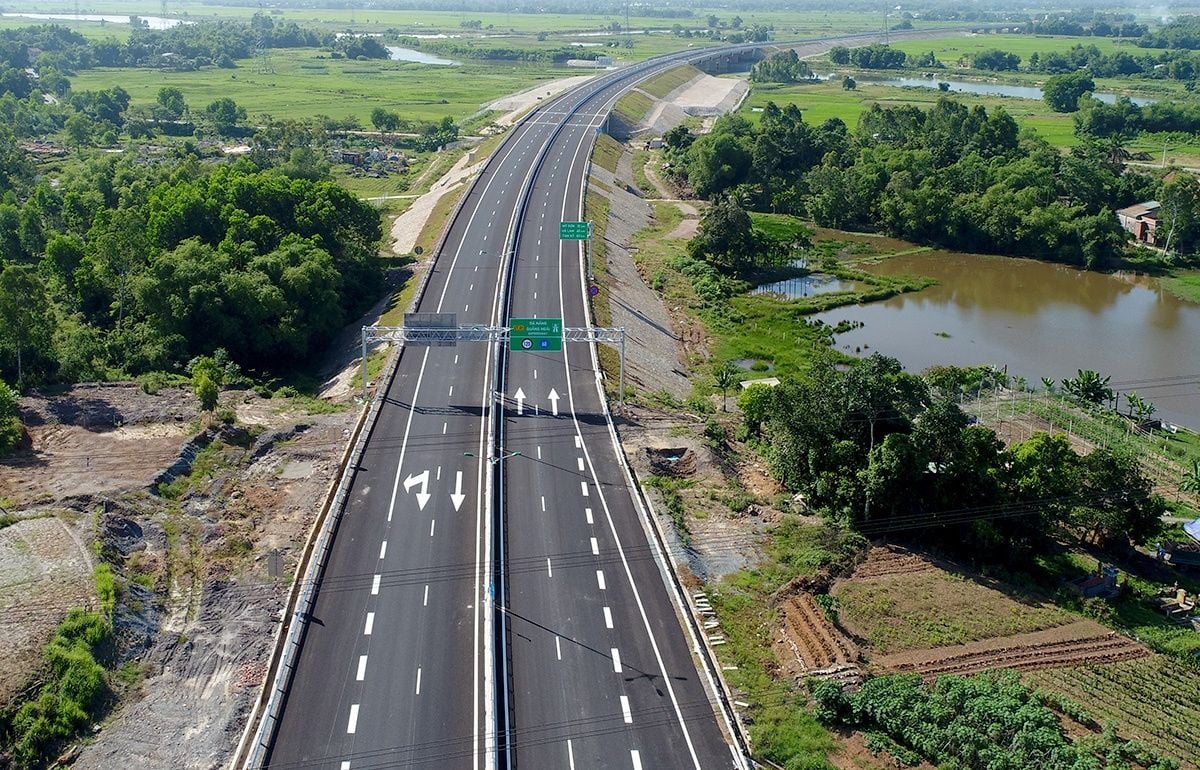
The Ho Chi Minh City–Moc Bai Expressway (Phase 1) was approved by the Prime Minister in August 2024 with total investment of over VND 19.6 trillion, to be implemented from 2024 to 2027. After a review and full update of affected parties, along with approval of additional compensation, assistance and resettlement measures, the project’s total investment was adjusted to nearly VND 23 trillion and the implementation timeline was extended to 2028.
The increase in investment is concentrated in two compensation and resettlement-related components:
Meanwhile, Component 1 (expressway under a BOT contract) with total investment of over VND 10.421 trillion, and Component 2 (rural service road) with investment of VND 2.422 trillion, were kept unchanged.
The expressway has a total length of over 50 km, with four lanes and a design speed of up to 120 km/h. The route runs through Ho Chi Minh City and Tay Ninh, starting at Beltway 3 (the old Cu Chi area) and ending at National Route 22, about 7 km from the Moc Bai border gate.
Under the plan, Component 1 is expected to start in Q2 2026 and be completed and put into operation by December 2027. Component 2 will build more than 43 km of service roads on both sides, including 16 overpasses and 10 grade-separated underpasses.
Construction has begun for the XL02 package on 19 December 2025. The remaining packages are being processed to start, with a target of completion in 2027.
For land clearance, Component 3 in Ho Chi Minh City affects about 217.7 hectares of land and 2,121 affected households. Component 4 in Tay Ninh requires compensation for about 2,260 households. Ho Chi Minh City has agreed to transfer more than VND 1,800 billion to Tay Ninh to implement the work.
In December 2025, Ho Chi Minh City launched the belt road component of Component 2.
Once completed and put into operation, the Ho Chi Minh City–Moc Bai Expressway is expected to relieve traffic pressure on National Highway 22, shorten travel time between Ho Chi Minh City and the Moc Bai border gate, strengthen trade connectivity with Cambodia, and support socio-economic development in the area. The project is also expected to help form the Moc Bai–Ho Chi Minh City–Cái Mép–Thị Vải industrial-urban corridor and the Xuyên Á economic corridor.







Premium gym chains are entering a “golden era” that is ending or already in decline, as rising operating costs collide with shifting consumer preferences toward more flexible, community-based ways to exercise. Long-term memberships are shrinking, margins are pressured by higher rents and facility expenses, and competition from smaller, more personalized…