•
•
•
•
•
•
•
•
•
•
•
•
•
•
•
•
•
•
•
•
•
•
•
•
•
•
•
•
•
•
•
•
•


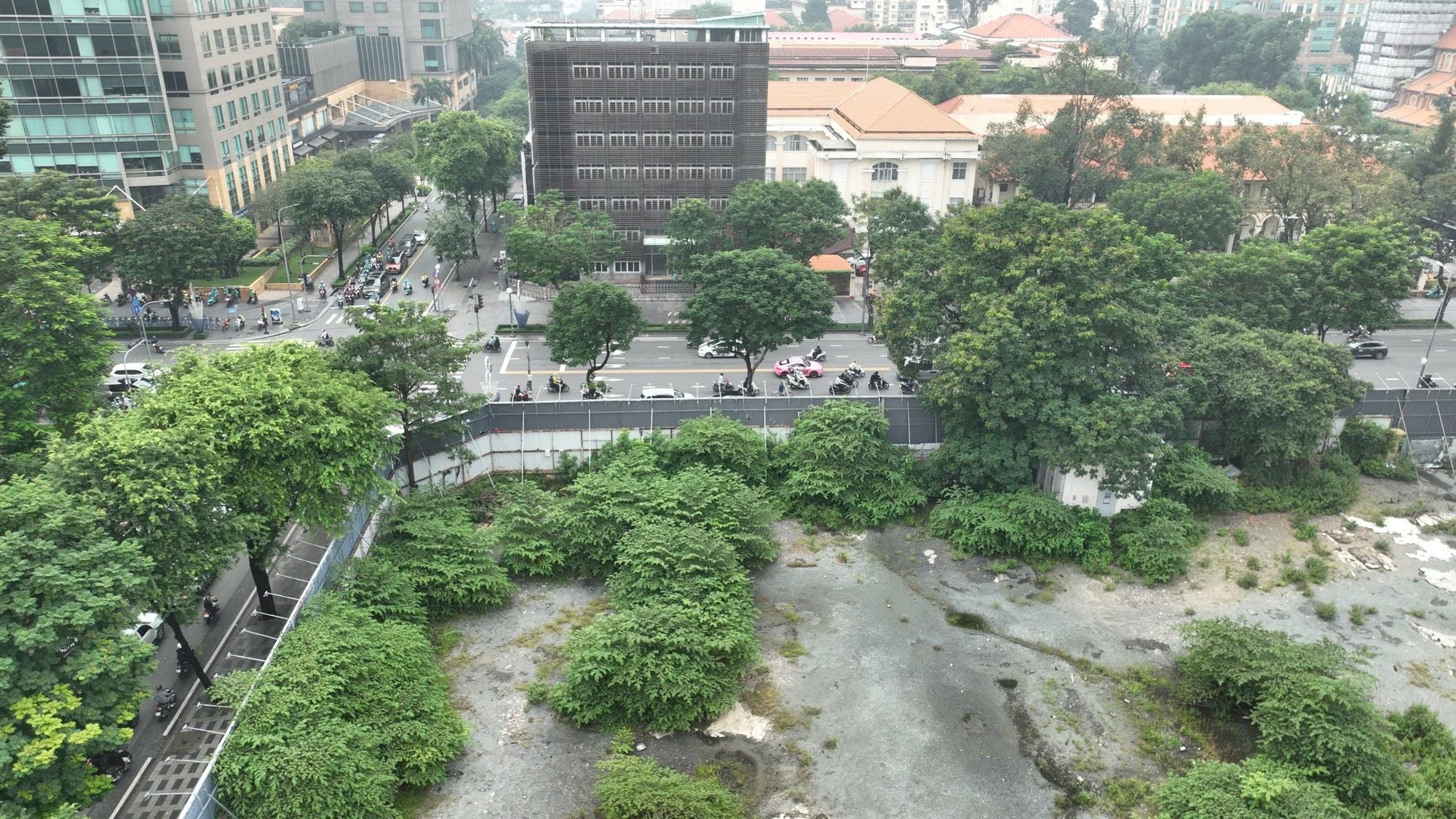
These are the golden land plots in central Ho Chi Minh City that had long-standing legal issues. On April 18, at the second session of the City People’s Council for the 2026-2031 term, the council approved a draft resolution on the list of land funds proposed to be used to pay investors for BT (build-transfer) projects in the city. According to the council’s report, the list comprises golden plots in central Ho Chi Minh City that had long-standing legal obstacles. The plots are currently managed by the Ho Chi Minh City Center for Land Fund Development and local authorities. Among them, the plots at 8-12 Le Duẩn Street (Saigon Ward) and 2-3-4 Hai Bà Trưng Street (Saigon Ward) have been abandoned for years due to legal issues related to a case. The list includes a total of 33 plots used to compensate investors for BT projects, including 17 plots managed by the Center for Land Fund Development and the remainder managed by local authorities. The move to include these plots in the payment schedule is seen as a step to “unlock” land resources and resolve long-standing issues. The list includes plots along Phạm Văn Đồng street (Thu Đức Ward), the former water park; plots at 152 Trần Phú (Chợ Quán Ward); 420 Nơ Trang Long (Bình Lợi Trung Ward); the land at 200 Võ Văn Tần (Bàn Cờ Ward)… According to the City People’s Committee, the City recently approved investment in many major BT projects with a total investment of over 182,000 trillion dong. Currently, some investors have proposed investments in Metro Line 2 (Ben Thanh – Thủ Thiêm and Thủ Thiêm – Long Thành segments), a Can Gio – Vũng Tàu road and bridge, the Hồ Tràm – Long Thành expressway, Tây Sài Gòn wastewater treatment plants, Bắc Sài Gòn 1 and 2 wastewater plants, a central plaza and new administrative center, the Bến Nhà Rồng – Khánh Hội Cultural Park and public green spaces along the Saigon River. These projects are planned to be implemented under BT contracts with a total estimated investment of over 366,000 trillion dong. The capital needs for these projects are very large, concentrated in a single phase, while the budget balance remains limited and many other issues persist. Ho Chi Minh City needs mechanisms to mobilize and flexibly use resources more efficiently. Some urgent infrastructure works are directed to be implemented under BT arrangements to address environmental pollution, wastewater treatment, flooding, and traffic congestion, with large total investments and the requirement for corresponding counter funds. Therefore, preparing the land fund list for payments must not only be large enough in scale but also include land plots with commercial value and high exploitation potential to attract capable investors, ensure payments are made at parity, and limit budgetary obligations.



Premium gym chains are entering a “golden era” that is ending or already in decline, as rising operating costs collide with shifting consumer preferences toward more flexible, community-based ways to exercise. Long-term memberships are shrinking, margins are pressured by higher rents and facility expenses, and competition from smaller, more personalized…




