•
•
•
•
•
•
•
•
•
•
•
•
•
•
•
•
•
•
•
•
•
•
•
•
•
•
•
•
•
•
•
•
•


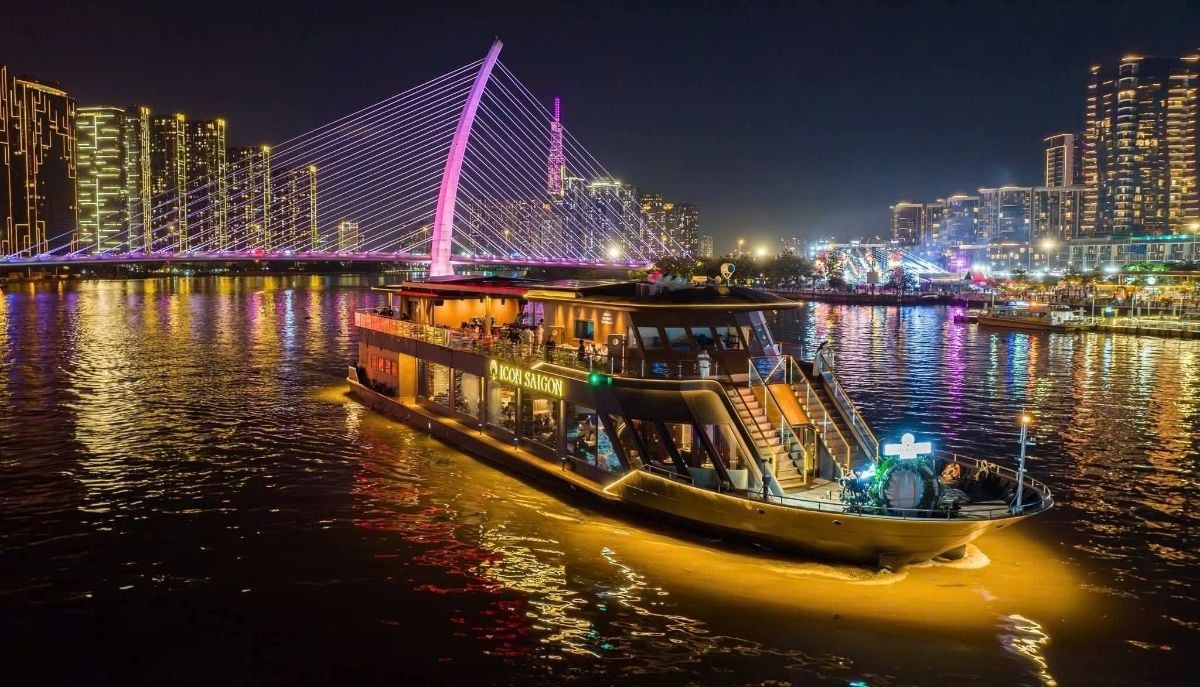
Tourism businesses in Ho Chi Minh City are expanding river-travel products that combine culture, cuisine and ecology, supported by the city’s integration of river tourism planning into its overall master plan. The aim is to help the city transform into a multi-centered, modern and sustainable tourism hub, leveraging opportunities from the port system, logistics, inland waterway transport and major river corridors including the Saigon River and the Nha Be.
Ho Chi Minh City has built more than 60 river tourism programs, routes and products, including seven regular programs and more than 15 new tours. According to the Department of Tourism’s 2023–2025 river tourism product development report, visitor numbers have risen steadily to about 500,000 in 2023, 550,000 in 2024 and an estimated 600,000 in 2025.
At present, around 150 enterprises participate in river tourism operations, using more than 300 vessels to serve visitors. These include restaurant ships, cruise boats, river buses, double-decker river buses, canoes and tourism wooden boats.
Soon, LuxGroup plans to introduce the Amiral Cruises project with total investment of about 1,000 billion VND. The initiative follows an urban river cruise model under the “slow travel” product line.
In the initial phase from June 2026, the project will operate high-speed boats and river cruises on the Bach Dang – Cu Chi route. Subsequent phases will expand to overnight river cruises, linking Ho Chi Minh City with Can Gio, Vung Tau and the Mekong region, targeting longer journeys that combine river and sea by 2030.
The itinerary highlight is the “River Show,” a live-staged performance telling the story of river culture in the Nam Bo region. Visitors will also be able to rent private cruise boats to explore the Can Gio mangrove forest, visit Ghien Rai Bay and go to beaches in Vung Tau.
With a length of about 80 km, the Saigon River is described as a valuable resource for tourism development. LuxGroup CEO Pham Ha said that in major cities worldwide, urban river tourism is an indispensable part of the metropolitan experience, and that the Saigon River can become a distinctive cultural stage for experiences related to history, art, cuisine and southern life.
Alongside businesses, the tourism sector is refining key product groups organized along a linked experience axis. One notable route, “From the city to the river to the sea,” connects central urban spaces, river-edge ecological zones and coastal resort areas into a continuous journey, offering visitors additional experiential options from a different perspective.
Despite progress, the Department of Tourism notes that river tourism development has only reached the “existence” stage and has not yet achieved the level of being “attractive and retains.” In practice, many routes have scenic views and smooth itineraries but low repeat visitation, as many visitors choose to experience them once and lack motivation to return due to limited novelty.
One of the biggest bottlenecks is that the navigation port system does not meet requirements. Tourism ports must satisfy multiple criteria, including scenery, waiting areas, sanitation services, reception and parking. However, many locations are still missing elements or are not synchronized, interrupting visitors’ experiences at the access stage.
Planning the river corridor and land reserves for tourism development is also identified as a barrier. Many riverfront areas have not been effectively exploited or lack conditions to invest in tourism facilities. The Department of Tourism is coordinating with relevant agencies to integrate these needs into Ho Chi Minh City’s master plan to facilitate investor participation in developing infrastructure and products.
In line with the city’s vision, river tourism is set to be a strategic product in the near term. The city is promoting social investment, particularly in developing inland river ports that meet standards, combined with riverfront services such as cuisine, entertainment and shopping to enhance the visitor experience.
From 2026 to 2030, the city aims to raise the number of river vessels to about 500, with river tourism accounting for 20–25% of total tourism revenue. It also plans to build 3 international passenger ports and 14 domestic ports, implement a digital tourism map, provide multilingual guided tours and deploy AR/VR technologies. The plan includes piloting overnight floating ships and water sports such as SUP, kayaking and parasailing.
The Department of Tourism also said that in the city center, beyond river routes, river cruise ships will be heavily invested to diversify visitor experiences. In addition to floating restaurants, restaurant ships will offer river tours with entertainment activities, which are expected to attract a new stream of higher-spending visitors to Ho Chi Minh City.
Premium gym chains are entering a “golden era” that is ending or already in decline, as rising operating costs collide with shifting consumer preferences toward more flexible, community-based ways to exercise. Long-term memberships are shrinking, margins are pressured by higher rents and facility expenses, and competition from smaller, more personalized…