•
•
•
•
•
•
•
•
•
•
•
•
•
•
•
•
•
•
•
•
•
•
•
•
•
•
•
•
•
•
•
•
•



Hoa Phat Agriculture Development Joint Stock Company (HPA) has released its 2026 annual general meeting (AGM) documents, scheduling the meeting for April 21, 2026 in Hanoi.
According to the company’s plan, in 2026 HPA targets revenue of 7,200 billion VND and net profit after tax of 1,005 billion VND. This implies declines of 18% in revenue and 37% in net profit compared with 2025 results.
HPA’s leadership pointed to several factors that could weigh on performance in 2026:
HPA expects to pay a 2026 dividend of 30%, though the company has not yet determined whether the payment will be made in cash or in shares.
For 2025, HPA reported after-tax profit of more than 1,600 billion VND. Based on that performance, the company has already temporarily paid 2025 dividends in cash totaling about 947 billion VND, equivalent to 35.464% (paid in Q2 and Q3 2025). The Board is now proposing to pay the remaining 2025 dividend in cash at 21%, or about 599 billion VND.
The proposed funding source is undistributed profits as of end-2025, and the company expects the payment to be made within six months from approval by the shareholders meeting.
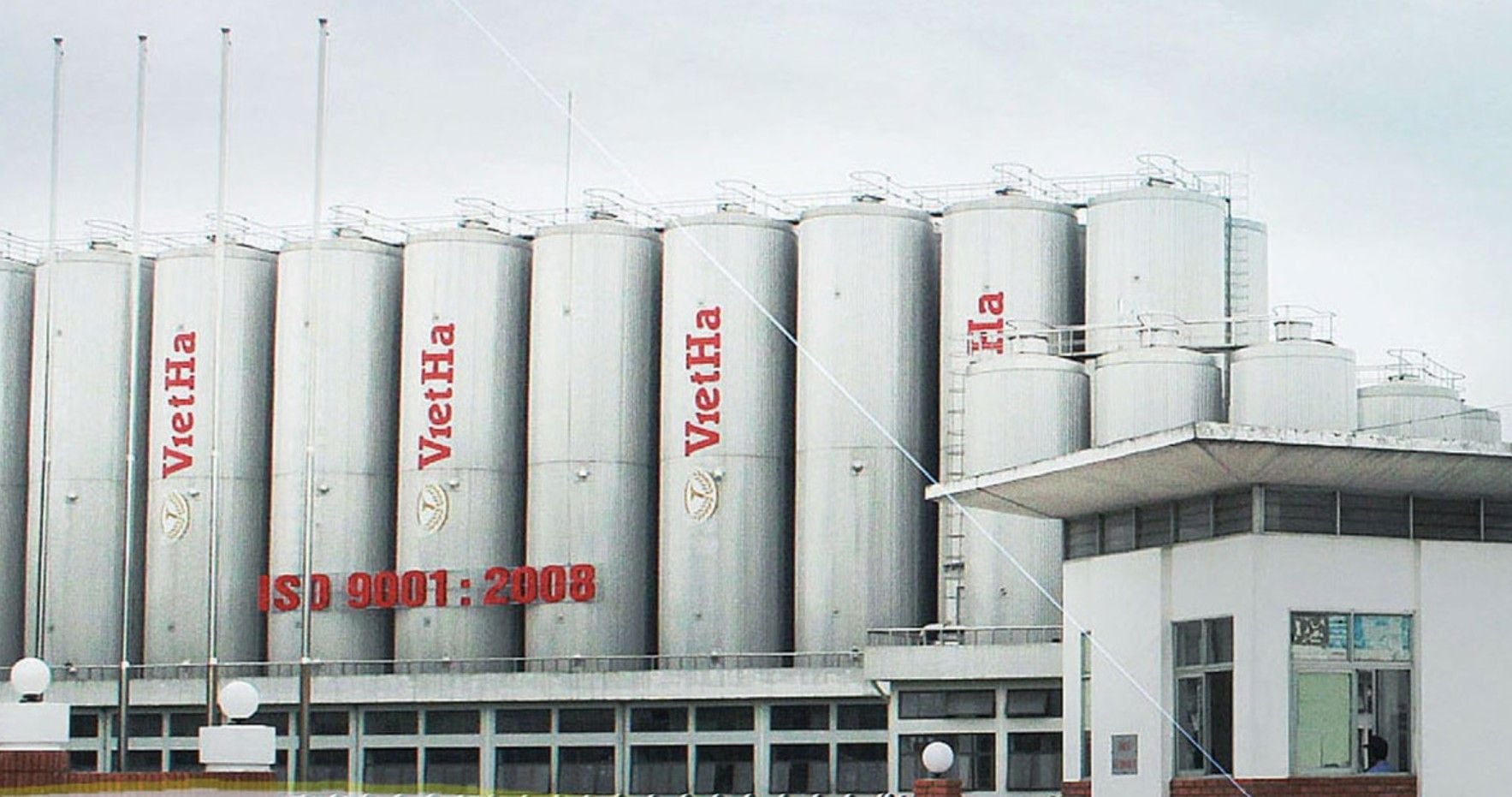
Hoa Phat Agriculture is a subsidiary of Hoa Phat Group (HPG), operating in animal feed production and cattle, pig, and poultry farming. The company states it leads the Australian cattle market, dominates the northern region’s chicken egg output at nearly 1 million eggs per day, ranks 13th in feed, and is among the leaders in pig farming with capacity of 750,000 animals per year.
In January 2026, Hoa Phat Agriculture completed its IPO, issuing 30 million shares at 41,900 VND per share and raising 1,257 billion VND. Following the offering, charter capital increased from 2,550 billion VND to 2,850 billion VND. On January 29, 2026, HoSE approved the listing of 285 million HPA shares, and the stock began trading on February 6, 2026 with a reference price of 41,900 VND per share.



Premium gym chains are entering a “golden era” that is ending or already in decline, as rising operating costs collide with shifting consumer preferences toward more flexible, community-based ways to exercise. Long-term memberships are shrinking, margins are pressured by higher rents and facility expenses, and competition from smaller, more personalized…