•
•
•
•
•
•
•
•
•
•
•
•
•
•
•
•
•
•
•
•
•
•
•
•
•
•
•
•
•
•
•
•
•


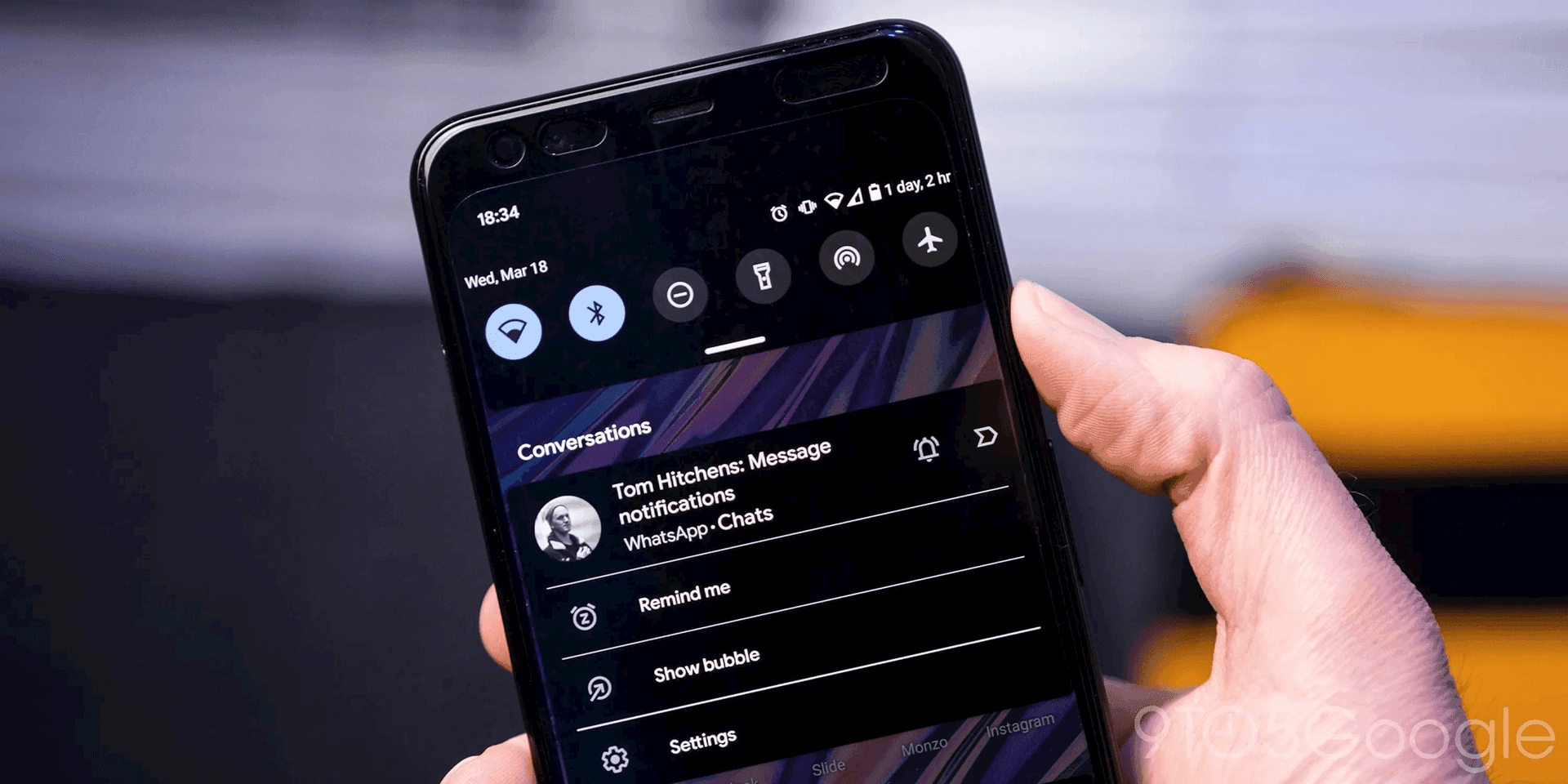
Many people swipe away notifications on their Android phones to keep the notification shade clean. However, Android includes tools that can help manage notifications without always dismissing them immediately, including the Enhanced Notifications feature on Pixel devices. Two options—Snooze and Notification History—can be enabled to temporarily hide notifications and later review them. Both features are off by default.
Snooze lets users temporarily hide an expanded notification and bring it back later after a selected delay.
After enabling Snooze, each notification (when expanded) shows a Snooze icon. Users can expand a notification by tapping the down arrow on the right or by pinching out with two fingers on the notification.
Snoozing is useful for notifications that are important but need to be handled later. When Snooze is selected, the notification disappears temporarily and reappears after a set time—typically 15 minutes, 30 minutes, 1 hour, or 2 hours. The available time options can vary by device, with Samsung Galaxy often offering more choices than Pixel.
Note: These features are off by default, but turning them back on is straightforward.
Notification History allows users to view notifications from the past. To enable it, go to Settings → Notifications → Notification History → On. On Samsung Galaxy, this setting may be located under Advanced in the Notifications menu.
To access Notification History more quickly, users can create a Home screen shortcut:
Important note: Notification History must be enabled first. It will not record events that occurred before activation, so enabling it early is beneficial.
Android’s notification system provides more control than simply dismissing alerts. By using Notification History together with Snooze, users can reduce the feeling of being overwhelmed by incoming information and manage notifications on their own schedule.
Premium gym chains are entering a “golden era” that is ending or already in decline, as rising operating costs collide with shifting consumer preferences toward more flexible, community-based ways to exercise. Long-term memberships are shrinking, margins are pressured by higher rents and facility expenses, and competition from smaller, more personalized…