•
•
•
•
•
•
•
•
•
•
•
•
•
•
•
•
•
•
•
•
•
•
•
•
•
•
•
•
•
•
•
•
•


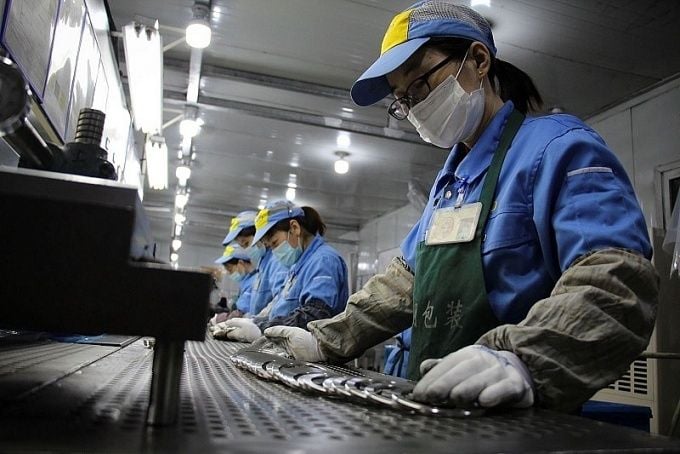
Major changes in the world of work, including digitalization, artificial intelligence, remote work, and new forms of employment, are reshaping the psychosocial work environment. The report The Psychological and Social Work Environment: Global Trends and Action Directions by the International Labour Organization analyzes the figure of more than 840,000 deaths annually, estimated from two main sources of evidence. First, data on the global prevalence of five major psychosocial risk factors at work, including work-related stress (high demands combined with low control); effort–reward imbalance; job insecurity; long working hours; and bullying and harassment. Second, scientific studies show that these risks raise the risk of serious illnesses such as heart disease, stroke, and mental disorders, including suicide. These risk levels are then cross-checked with the latest global mortality and health data from the World Health Organization and the Global Burden of Disease study to estimate the number of deaths and the burden of disease attributable to these risks each year. The report also shows that these risks cause nearly 45 million years lived with disability lost each year, reflecting the number of healthy years lost due to disease, disability, or premature death, and is estimated to cause an economic loss equivalent to 1.37% of global GDP each year. The report stresses the growing impact of how work is designed, organized, and managed on workers' safety and health. It also warns that psychosocial risk factors, including long working hours, job insecurity, high demands with low control, bullying, and harassment at work, can create a harmful work environment if not adequately addressed. According to the report, although many psychosocial risks are not new, major changes in the world of work, including digitalization, AI, remote work, and new forms of employment, are reshaping the psychosocial work environment. These changes may increase existing risks or create new ones if not adequately addressed. At the same time, they can also open opportunities to improve how work is organized and increase flexibility, underscoring the need for proactive management. Ms. Azzi stated that psychosocial risks are becoming one of the biggest challenges for occupational safety and health in the modern world of work. She emphasized that improving the psychosocial work environment is essential not only to protect workers' physical and mental health but also to boost productivity, organizational performance, and sustainable economic development. Moreover, psychosocial risk can be prevented through organizational-level approaches that address root causes, especially the importance of integrating psychosocial risk management into occupational safety and health systems, with support from social dialogue among government, employers, and workers. By actively addressing these risks, the report concludes that countries and businesses can build healthier workplaces, benefiting both workers and organizations, while increasing productivity and economic resilience.



Premium gym chains are entering a “golden era” that is ending or already in decline, as rising operating costs collide with shifting consumer preferences toward more flexible, community-based ways to exercise. Long-term memberships are shrinking, margins are pressured by higher rents and facility expenses, and competition from smaller, more personalized…




