•
•
•
•
•
•
•
•
•
•
•
•
•
•
•
•
•
•
•
•
•
•
•
•
•
•
•
•
•
•
•
•
•


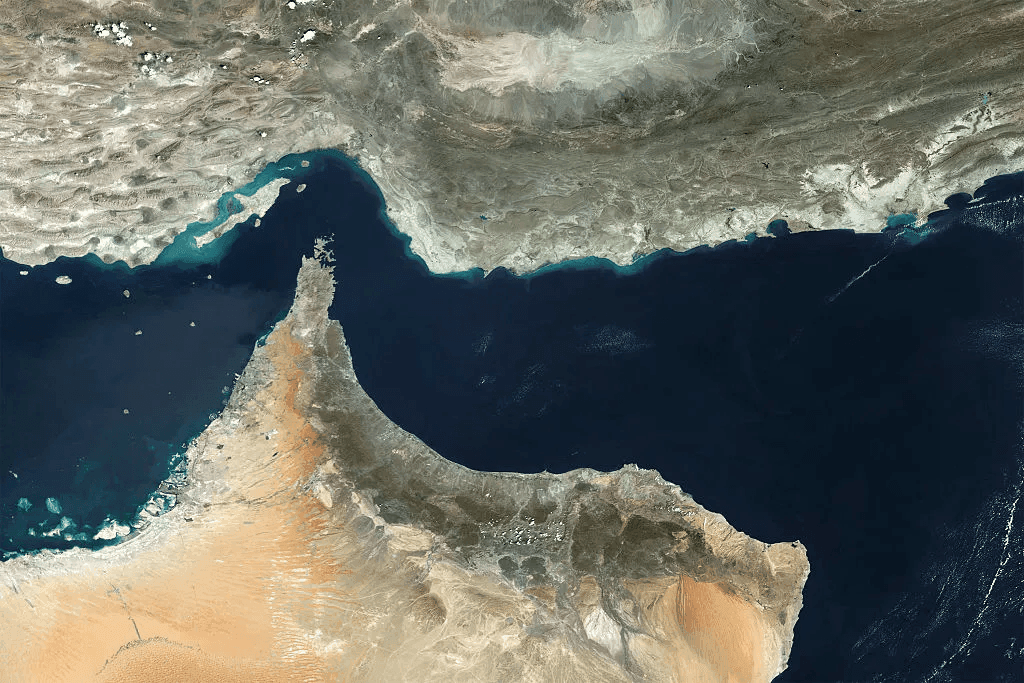
Iranian Foreign Minister Abbas Araqchi said on April 17 that Iran would fully open the Hormuz Strait to commercial shipping during the ceasefire between Israel and the Iran-backed forces in Lebanon. The announcement triggered a sharp move in energy and financial markets, with oil prices falling and stock indices rising.
Araqchi said on X that the Hormuz Strait would be fully open to all merchant ships for the remainder of the ceasefire between the United States-backed forces in Lebanon. He added that merchant ships wishing to pass during the window would need to follow the route published by Iran’s Ports and Maritime Organization (PMO).
The ceasefire, brokered by the United States and announced by President Trump on April 16, took effect at 5 p.m. Eastern Time after being signed between Israel and Lebanon.
Hormuz has remained largely closed since the war between the United States and Iran escalated on February 28, when a coalition led by the U.S. and Israel began strikes on Iran. Since early this week, the U.S. has blocked ships into Iran’s ports along Hormuz to pressure Tehran.
The strait is a major chokepoint, with about one-fifth of the world’s oil and LNG consumed through it. The stalemate at Hormuz had pushed oil prices higher in recent weeks.
Immediately after Iran announced the opening, global oil prices fell sharply. Around 9 p.m. local Vietnam time, Brent futures in London fell by more than 10% to just above $89 a barrel. WTI futures in New York fell by almost 11% to just above $84 a barrel.
European stock indices and U.S. stock futures moved into positive territory. Dow Jones futures were up about 1.4%. The Dollar Index weakened by more than 0.5%, while gold jumped about 1.7%.
In a Truth Social post, President Donald Trump thanked Iran for reopening Hormuz. He said, however, that U.S. Navy port blockades would remain until Washington secures a deal with Tehran.
On April 16, Trump said he believed a deal to end the U.S.–Iran conflict would come soon, without specifying a timeline. Reuters reported that peace talks between the U.S. and Israel could resume by the weekend, though it noted this was unlikely due to logistics and staffing in Islamabad, Pakistan, where talks were expected to take place.
Trump had secured a two-week ceasefire with Iran on April 7 in exchange for Iran reopening Hormuz fully. During the ceasefire, Hormuz had remained almost closed due to disagreements, with only a few merchant ships passing daily.
Iran’s Parliament Speaker Mohammad Bagher Ghalibaf accused the U.S. of violating the deal by allowing Israel to continue campaigning in Lebanon. Negotiations between U.S. Vice President JD Vance and Ghalibaf last weekend in Pakistan did not produce an agreement to end the war.
This week, the IMF cut its global growth forecast and warned that the world economy could slip into recession if the conflict persists.






Premium gym chains are entering a “golden era” that is ending or already in decline, as rising operating costs collide with shifting consumer preferences toward more flexible, community-based ways to exercise. Long-term memberships are shrinking, margins are pressured by higher rents and facility expenses, and competition from smaller, more personalized…