•
•
•
•
•
•
•
•
•
•
•
•
•
•
•
•
•
•
•
•
•
•
•
•
•
•
•
•
•
•
•
•
•


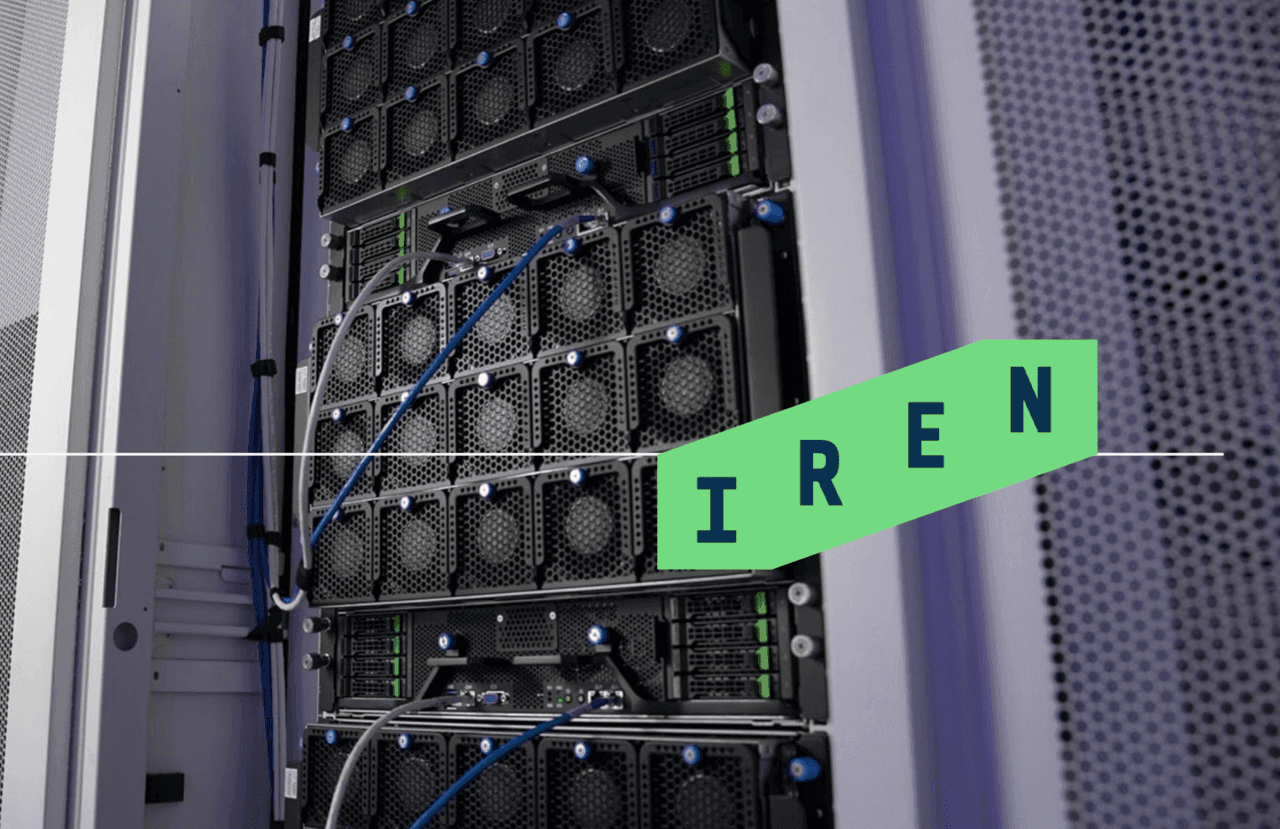
Australia-based IREN, formerly Iris Energy, is accelerating its pivot away from Bitcoin (BTC) mining toward an AI cloud business, as weakening mining economics compress margins and listed miners seek more durable sources of revenue.
IREN has been contending with a widening gap between its production costs and prevailing market prices. Figures cited in the report indicate the company is effectively losing about $19,000 per Bitcoin, with all-in production costs estimated near $80,000 per coin—above market levels over the period referenced.
The dynamic underscores the post-halving environment for miners, where higher efficiency requirements, increased sensitivity to power pricing, and greater exposure to Bitcoin price drawdowns can intensify losses.
Although AI currently accounts for about 9% of IREN’s revenue mix, the company is planning a major scale-up of infrastructure for GPU-intensive workloads. The report describes an expansion plan of up to 200 megawatts (MW) of liquid-cooled GPU capacity, reflecting a broader shift in data centers toward higher thermal density as high-performance chips proliferate.
Market observers expect IREN’s revenue profile to change quickly if the buildout remains on schedule, projecting that AI could represent as much as 70% of revenue by 2026.
To support the transition, IREN is placing a large bet on Nvidia’s next-generation hardware. The company reportedly plans to purchase more than 50,000 Nvidia B300 GPUs and increase its total GPU holdings to about 150,000 units.
IREN is also targeting more than $3.7 billion in AI cloud revenue by the end of 2026. The aim is to move the business away from a commodity-like mining model toward contracted compute services, which can offer greater revenue visibility and margins, though it may also increase customer concentration and delivery risk.
The transition is capital intensive. The report says IREN has raised approximately $9.3 billion in funding for the AI push, including around $3.5 billion in capital expenditures and roughly $3.7 billion through convertible bond issuance. The financing reflects the competitive race for AI data-center resources, where companies often require substantial upfront investment for power access, advanced cooling solutions, and priority chip allocations before revenue ramps.
Beyond the initial buildout, IREN is aiming for about $3.4 billion in annual revenue by 2026, supported by expansion across its “Horizon 1–4” roadmap and additional growth in British Columbia.
Analysts cited in the report cautioned that elevated valuation expectations and execution risk remain central challenges, particularly given the complexity of delivering liquid-cooled, utility-scale GPU clusters on tight timelines. They nevertheless argued the pivot could become a successful long-term business model transformation if IREN can convert infrastructure spending into stable demand and durable contracts in an increasingly competitive AI cloud market.



Premium gym chains are entering a “golden era” that is ending or already in decline, as rising operating costs collide with shifting consumer preferences toward more flexible, community-based ways to exercise. Long-term memberships are shrinking, margins are pressured by higher rents and facility expenses, and competition from smaller, more personalized…