•
•
•
•
•
•
•
•
•
•
•
•
•
•
•
•
•
•
•
•
•
•
•
•
•
•
•
•
•
•
•
•
•



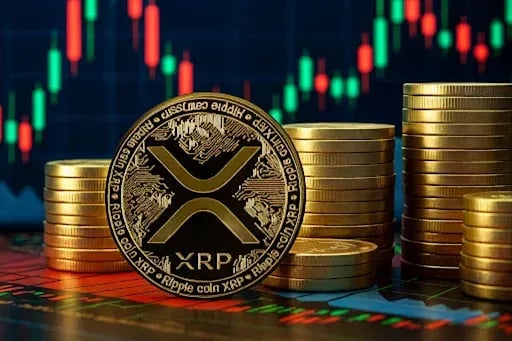
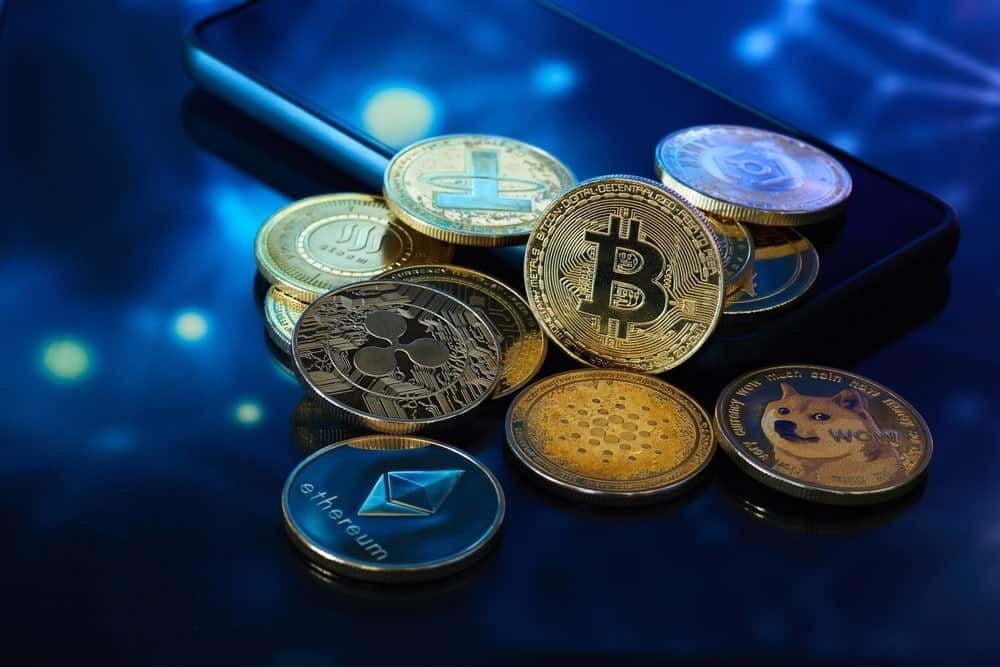
XRP is one of the largest cryptocurrencies by market cap. The crypto sector will look to bounce back after what turned out to be a lackluster year in 2025, driven by a sell-off toward the end amid a range of concerns, including the trajectory of interest rates and selling activity from whales -- individuals and organizations that hold large amounts of cryptocurrency. XRP, the fifth-largest cryptocurrency in the world with a market cap of more than $120 billion, got off to a booming start last year, only to end the year down close to 9%. Still, many see potential in XRP and Ripple, the company behind the coin. Is XRP a millionaire maker? The real use case of XRP When investing in cryptocurrencies, investors should focus on real-world utility because cryptocurrencies don't generate free cash flow or earnings like most traditional publicly traded companies. However, if a coin operates on a blockchain network with strong real-world utility, the more the network is used, the greater the demand for the coin should be. XRP certainly has the potential for strong real-world utility. Unlike Bitcoin's proof-of-work consensus mechanism, which requires significant energy to mine tokens, XRP's 100 billion coin supply was pre-mined. Tens of billions of coins were initially locked away in escrow. There are gradual releases from escrow, though a portion of the coins released is then re-escrowed to help responsibly manage XRP's supply. XRP's ledger consensus mechanism uses a unique node list, or a group of trusted validators, to confirm transactions, including universities, exchanges, businesses, and individuals. Although this consensus is less decentralized than a traditional blockchain network like Bitcoin, it can also validate transactions more quickly, giving it higher throughput than most networks. XRP is believed to have the potential to process as many as 1,500 transactions per second (TPS). This makes it ideal for instant payment transfers, especially international ones. This is where Ripple comes in. Ripple's leaders helped found XRP in 2012. Since then, the company has become a driving ecosystem for the coin. Ripple leverages XRP to serve as a one-stop shop for traditional financial institutions and other companies looking to offer instant cross-border payments in various fiat currencies or stablecoins, which can also be converted to a customer's preferred currency. Ripple and XRP also eliminate the need for banks or other financial institutions to pre-fund foreign accounts, as XRP's instant nature provides on-demand liquidity. This gives banks more flexibility with their own capital and liquidity.
Premium gym chains are entering a “golden era” that is ending or already in decline, as rising operating costs collide with shifting consumer preferences toward more flexible, community-based ways to exercise. Long-term memberships are shrinking, margins are pressured by higher rents and facility expenses, and competition from smaller, more personalized…