•
•
•
•
•
•
•
•
•
•
•
•
•
•
•
•
•
•
•
•
•
•
•
•
•
•
•
•
•
•
•
•
•


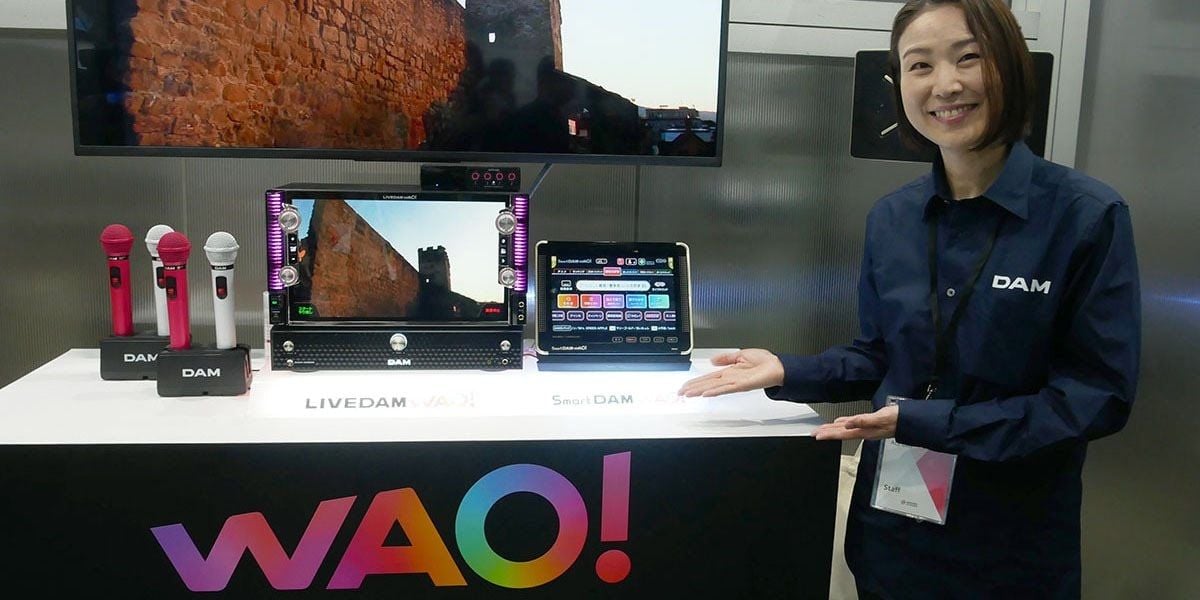
In Japan, a new “buttonless karaoke” model is being tested at Woven City, Toyota’s technology city, where companies validate products in real-world settings with resident involvement. The experiment, introduced by the music entertainment company Daiichikosho, aims to remove the need for users to search for songs or operate controls, allowing them to begin singing as soon as they enter the room.
Traditional karaoke typically relies on the singer using a remote to browse and select tracks, which can interrupt the experience—especially for people who are unfamiliar with the process or who prefer not to spend time deciding what to sing.
Daiichikosho’s “buttonless karaoke” replaces manual selection with automation. Using artificial intelligence, the system automatically generates a playlist tailored to each user. As soon as a user enters the room, songs considered to be a good match begin playing immediately.
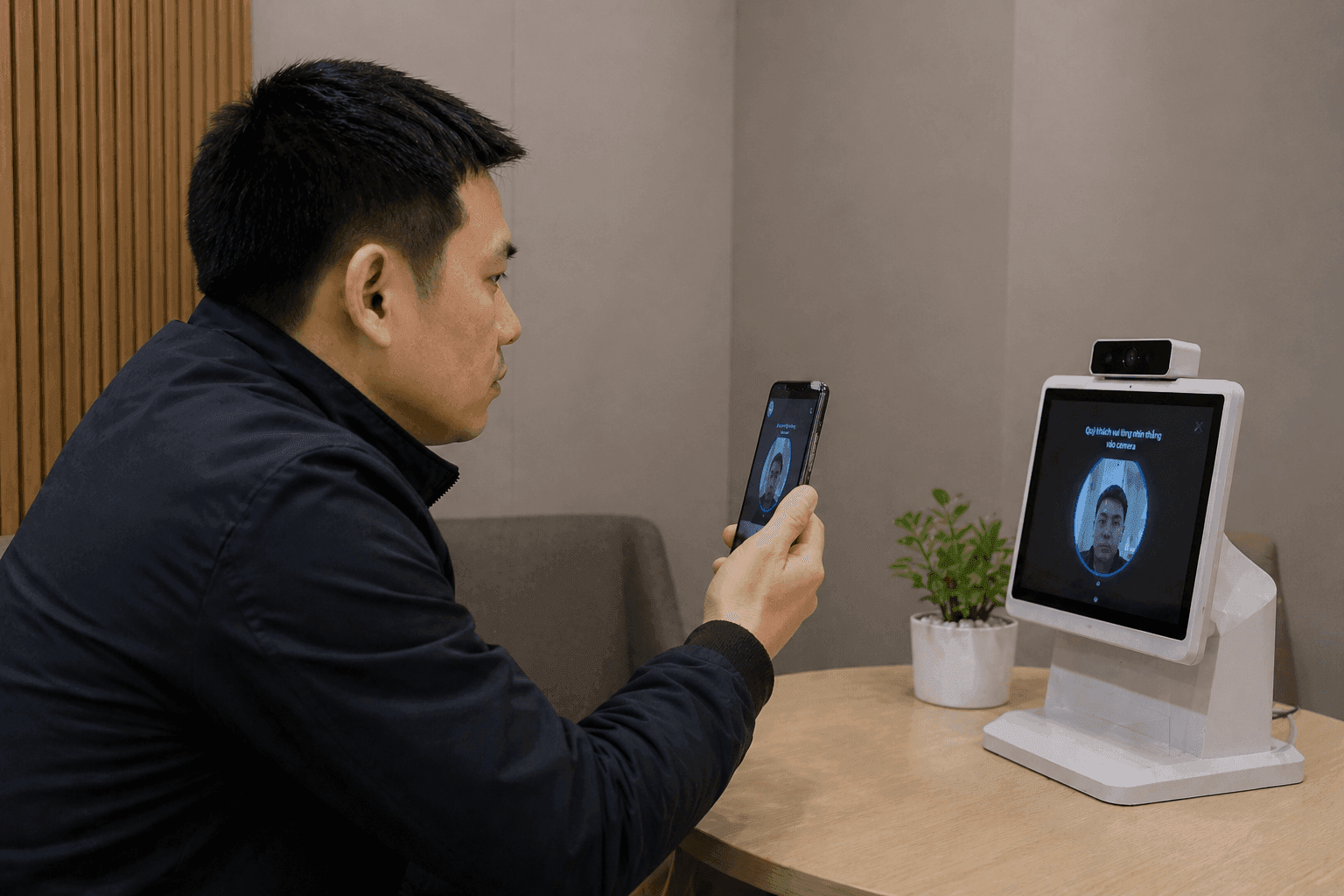
In its current form, the karaoke setup includes a remote control feature called “Smart DAM WAO!” The system can recognize a user’s age, gender, and emotion by taking a photo, then display recommended songs based on that information.
The approach is supported by “Facearch” technology, which uses a camera to estimate age, gender, and emotional state. Daiichikosho says this is only the starting point, and that future versions will expand the data used for personalization by combining additional sources such as singing history, musical preferences, lifestyle habits, or usage context.
With more data, the system could move beyond recommending songs to adjusting elements such as the key to better suit each singer’s voice—potentially helping users who have limited experience with karaoke devices or who do not know how to adjust pitch.
The company notes that data is critical: short-term testing in individual stores is not enough to build an accurate AI model. Environments like Woven City, where users can interact with the system over longer periods, are expected to support data collection and ongoing optimization.
By signing up for facial recognition or linking a personal account, the system can gradually learn user habits, improving the accuracy of song recommendations over time. The goal is a karaoke experience that becomes increasingly personalized, reducing the need for user operation.
“Buttonless karaoke” reflects broader trends toward automation and personalization in entertainment, where removing manual steps can simplify the user experience and enable new use cases. Daiichikosho is also developing “Mobility Karaoke,” which brings karaoke into cars.
In the vehicle setting, users can sing in a private space without being watched by others. For safety while moving, the system is expected to prioritize voice control over screens. A key challenge is that drivers cannot follow lyrics in the same way as in dedicated karaoke rooms, and developers are exploring solutions such as displaying lyrics ahead by one beat to help the singer.
Beyond entertainment, karaoke is described as having health benefits. Singing and following lyrics can stimulate brain activity, improve breathing, and support oral muscle function. In Japan, karaoke has been used in elderly care facilities as a form of gentle therapy, and Daiichikosho suggests that AI-supported, simplified experiences could extend these benefits to a wider range of users, including older adults and younger people.
By lowering the effort required to participate, the company says access barriers may decrease, helping karaoke become more accessible and popular.
According to the KAKEZAN2026 survey, “buttonless karaoke” was among the highly rated projects by attendees, indicating strong commercial potential as users increasingly prioritize convenience and personalization.
If the trials succeed, karaoke rooms could be upgraded toward full automation—changing the familiar experience so that users no longer need to select songs or wait, but instead enter the room and start singing.
Source: PHILE WEB






Premium gym chains are entering a “golden era” that is ending or already in decline, as rising operating costs collide with shifting consumer preferences toward more flexible, community-based ways to exercise. Long-term memberships are shrinking, margins are pressured by higher rents and facility expenses, and competition from smaller, more personalized…