•
•
•
•
•
•
•
•
•
•
•
•
•
•
•
•
•
•
•
•
•
•
•
•
•
•
•
•
•
•
•
•
•


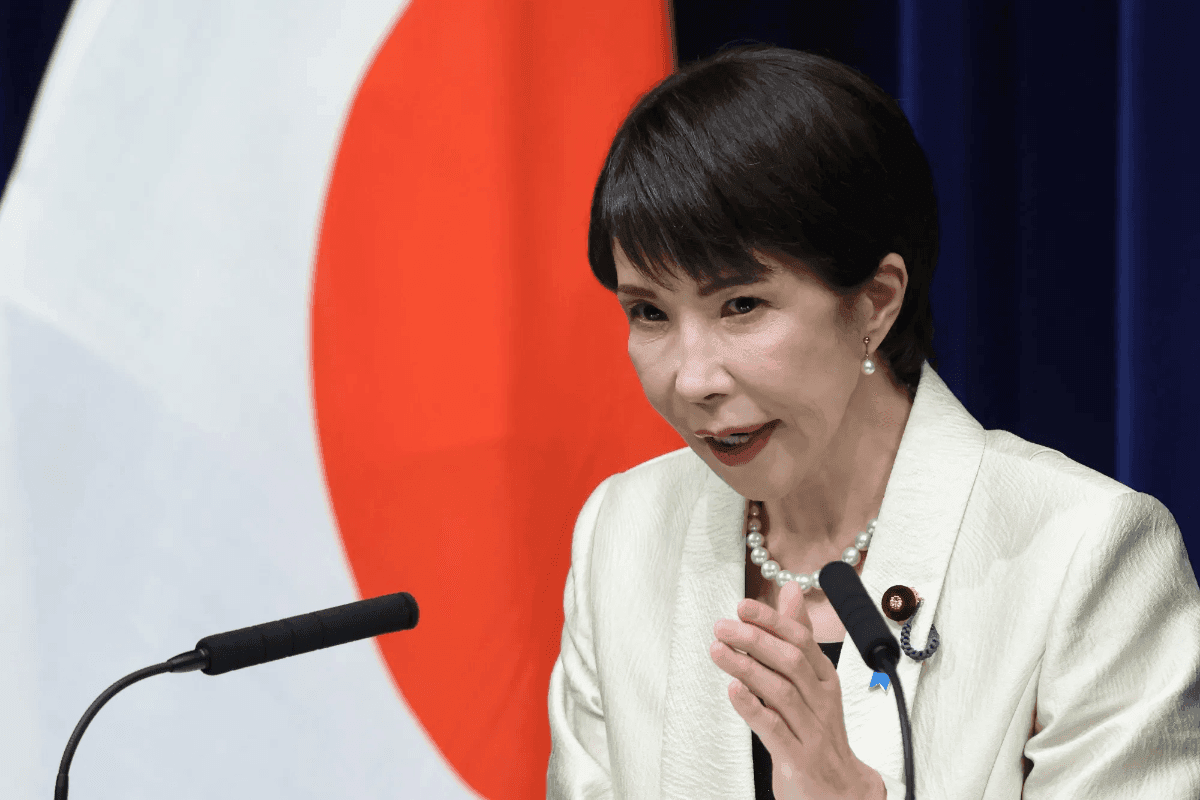
Japan is intensifying its energy-diplomacy efforts to secure supplies in Central Asia and Latin America as it seeks to replace crude oil and natural gas previously sourced from the Middle East, according to Nikkei Asia.
With nearly complete dependence on imports to meet fossil-fuel demand, Japan faces a major supply challenge as crude oil and natural gas flows from the Gulf are disrupted by the closure of the Hormuz Strait amid the ongoing conflict between the United States and Iran.
Before the war, the Middle East supplied 94% of Japan’s crude oil imports, with most of that supply passing through the Hormuz Strait. Japan also imported a significant volume of liquefied natural gas (LNG) from Qatar via the same route.
In this context, diversifying energy sources has become an urgent issue for Japan.
For Prime Minister Sanae Takaichi, the United States is currently the leading option to diversify energy supplies, aligning with President Donald Trump’s desire to boost American fossil-fuel exports.
However, the United States accounted for only 4% of Japan’s crude oil imports in 2025. Japan is projected to increase crude oil imports from the U.S. in May this year to four times the level of the same period last year.
Central Asia and the Caucasus—where Japan has long had good relations—are emerging as potential new oil supply sources. Tokyo views Central Asia as strategically important and has worked to strengthen ties with countries in the region, including hosting a summit in Japan in December last year with the leaders of five Central Asian countries.
Inpex, a government-backed oil-and-gas explorer, holds stakes in oil fields in Kazakhstan and Azerbaijan. Still, accessing energy from the largely landlocked region involves challenges, including higher transportation costs.
China’s role in the region could also complicate Japan’s efforts. Central Asia is a key corridor for China’s Belt and Road Initiative. In March this year, Chinese President Xi Jinping met Turkmenistan’s Chairman of the People’s Council Gurbanguly Berdimuhamedov in Beijing and urged cooperation on natural gas. Turkmenistan is currently China’s fourth-largest natural gas supplier.
In Latin America, China’s broad influence may pose additional challenges for Japan. For example, Brazil—one of the region’s leading oil producers—lists China among its largest export markets.
Guyana is believed to have the greatest potential to boost oil output. Venezuela, which has the world’s largest proven oil reserves, has its oil industry heavily controlled by the U.S. government after U.S. forces arrested Nicolás Maduro in January this year.
Japan has little history of importing oil from Latin American countries. Tokyo is said to be exploring energy cooperation through working-level talks with Brazil, Argentina and several other countries in the region. The most recent Japanese prime minister to visit Latin America was Fumio Kishida in 2024, the first Latin American visit by a Japanese leader in more than a decade.
Other Asian countries are pursuing their own energy-diplomacy approaches. Some Southeast Asian nations are turning to Russia. Indonesian President Prabowo Subianto met Russian President Vladimir Putin in Moscow this month to secure supplies of petroleum products.
After aligning with Western countries in imposing sanctions on Russia over the Russia-Ukraine war, Japan has limited options to expand energy imports from Russia beyond the Sakhalin-2 oil-and-gas project, which is exempt from sanctions.








Premium gym chains are entering a “golden era” that is ending or already in decline, as rising operating costs collide with shifting consumer preferences toward more flexible, community-based ways to exercise. Long-term memberships are shrinking, margins are pressured by higher rents and facility expenses, and competition from smaller, more personalized…




