•
•
•
•
•
•
•
•
•
•
•
•
•
•
•
•
•
•
•
•
•
•
•
•
•
•
•
•
•
•
•
•
•


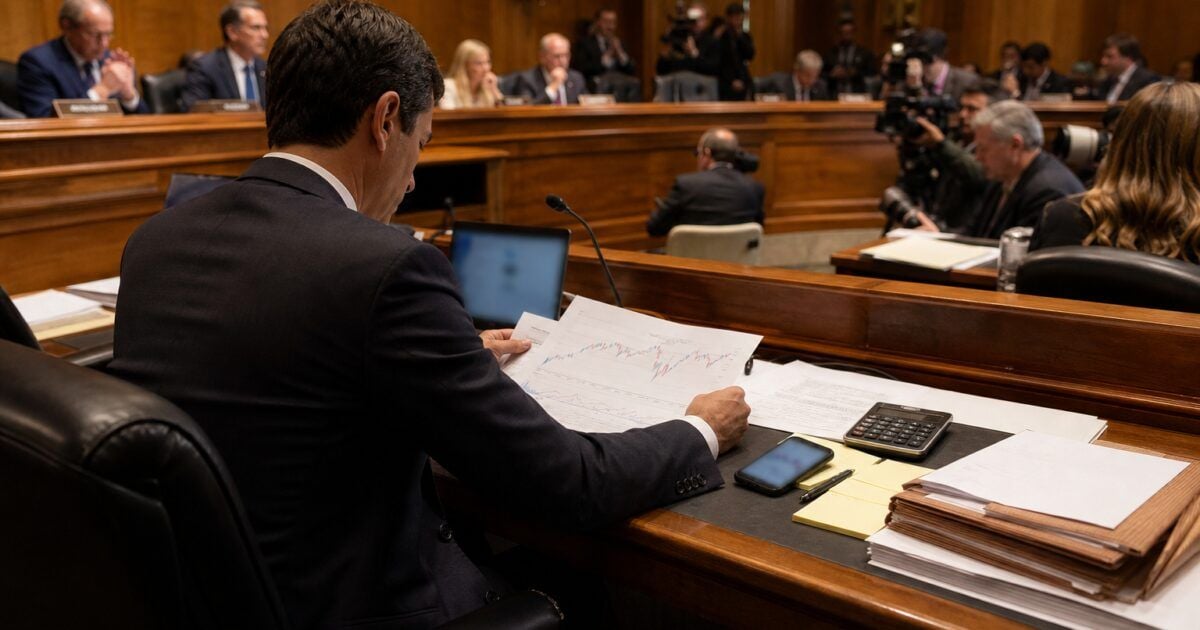
The Senate voted on Tuesday, approving Kevin Warsh’s appointment to the Federal Reserve Board of Governors by a margin of 51 to 45. The nomination is expected to reshape expectations for the Fed’s stance toward digital assets, particularly because Warsh has publicly described Bitcoin as an “important asset” and has business ties to multiple crypto-related firms.
Warsh’s confirmation followed a vote along party lines, with one notable exception: Senator John Fetterman voted with the Republicans. The approval could position Warsh to replace Jerome Powell as early as Friday, when Powell’s term ends.
Warsh has argued that Bitcoin can function as an indicator of the Fed’s monetary credibility. In his framing, Bitcoin tends to rise when the Fed expands monetary conditions and to fall or adjust when policy tightens.
The article contrasts this stance with prior Fed leadership, which it describes as remaining skeptical or hostile toward digital assets. It also notes that Powell has generally kept his distance from cryptocurrencies, focusing instead on risks and volatility.
The article says Warsh owns shares in Flashnet, a Bitcoin payments company, and has ties with Bitwise and Basis. It also describes Bitwise as managing crypto ETFs and Basis as developing stablecoins. Crypto market participants view the appointment as a signal, but the article highlights that the potential conflict of interest has not been fully addressed in the Senate hearings.
Warsh is described as having a history as an “inflation hawk.” After the 2008 financial crisis, the article says he criticized the Fed’s accommodative policies and warned that quantitative easing could contribute to bubbles and long-term market instability.
More recently, the article reports that Warsh has discussed a “regime change” at the Fed and has mentioned openness to lowering interest rates to support the economy—an apparent shift from his earlier positions. Investors are now weighing whether he will maintain a hawkish approach amid current inflation pressures.
The transition is occurring quickly, with Warsh arriving as markets digest the latest inflation data and trade tensions with China. The article says uncertainty is a key concern for markets.
It also notes that Warsh’s approach could have direct implications for crypto prices. If rates are lowered, Bitcoin could benefit; if policy tightens, cryptocurrencies could face pressure. The article emphasizes that Warsh’s decisions in his first months will be closely scrutinized.
The article states that Warsh has already said he views Bitcoin as a monetary policy indicator. It suggests that if the Fed begins using crypto signals in its analyses, it could further legitimize the sector and influence how regulators approach digital assets. Institutional investors that have been hesitant might also become more willing to enter the market, depending on how Warsh’s policy stance develops.
The article highlights that Fetterman’s vote in favor of Warsh was notable. It offers a possible explanation tied to Pennsylvania’s crypto-related presence, including Bitcoin miners and crypto companies, while also noting that no specific motivations were provided.
If Warsh passes the final steps this week, he would take the chairmanship on Friday, succeeding Jerome Powell. The article says his first speeches and early rate decisions are expected to be closely watched by crypto traders and broader financial markets.
When does Kevin Warsh become Fed chairman?
If the Senate confirms his nomination this week, Warsh takes the chairmanship on Friday, succeeding Jerome Powell whose term ends on that date.
Does Warsh directly own Bitcoin?
The article mentions shares in Flashnet and ties with Bitwise and Basis, but it does not specify whether he directly holds Bitcoin in his personal portfolio.
How does his appointment affect Bitcoin’s price?
The article says markets view his pro-Bitcoin stance as potentially bullish, but that interest-rate decisions are likely to have a larger impact than his personal views.
Premium gym chains are entering a “golden era” that is ending or already in decline, as rising operating costs collide with shifting consumer preferences toward more flexible, community-based ways to exercise. Long-term memberships are shrinking, margins are pressured by higher rents and facility expenses, and competition from smaller, more personalized…