•
•
•
•
•
•
•
•
•
•
•
•
•
•
•
•
•
•
•
•
•
•
•
•
•
•
•
•
•
•
•
•
•


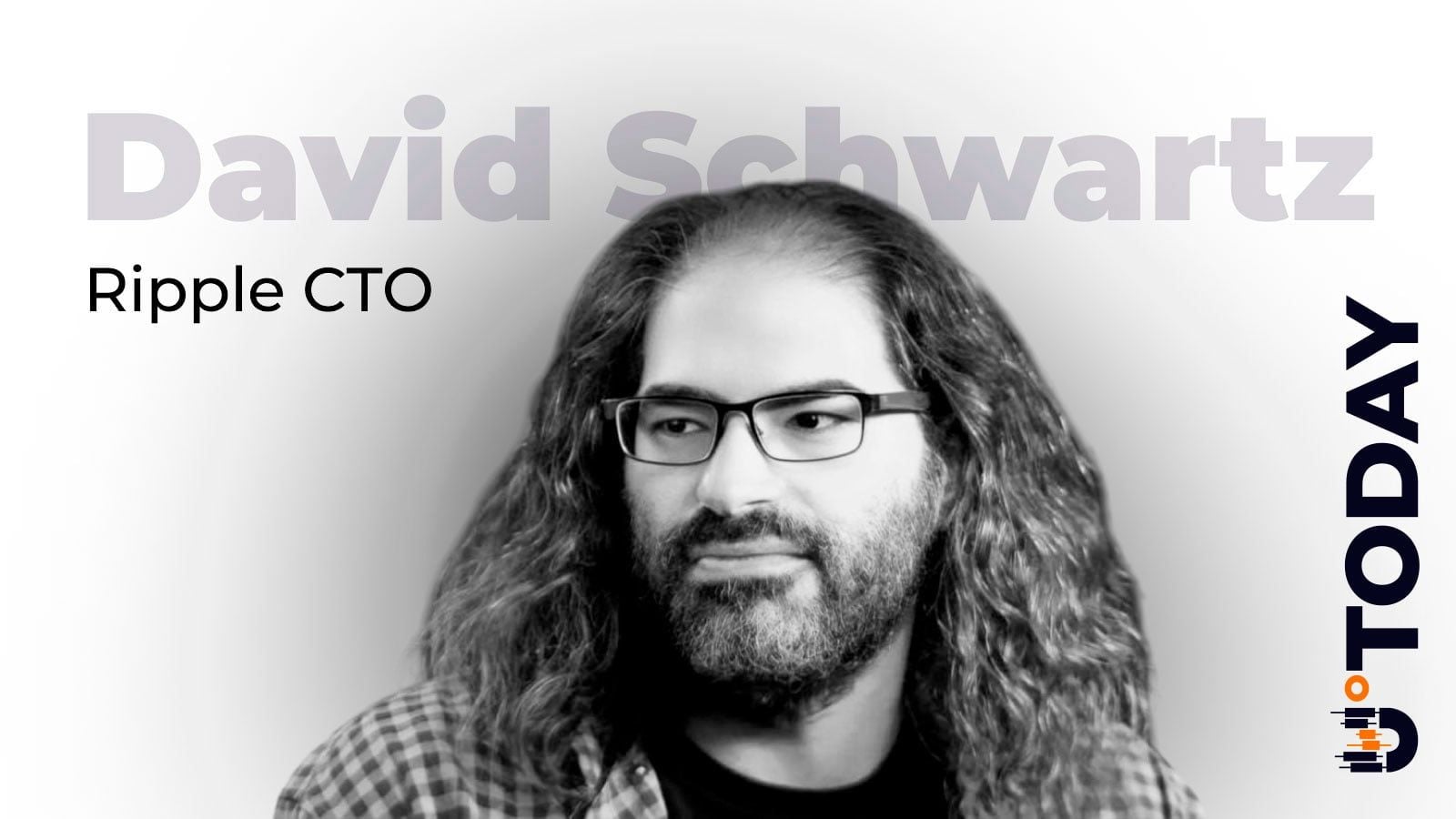
Ripple Chief Technology Officer Emeritus David Schwartz has stepped in to clarify persistent misconceptions about the inner workings of the XRP Ledger (XRPL), explaining why the network’s native token is not used to secure the blockchain.
Schwartz’s comments followed an exchange on X in which a user questioned a prior statement comparing proof of work (PoW), proof of stake (PoS), and the XRPL.
In that earlier comparison, Schwartz had described the XRPL as relying on “stakeholder chosen scarcity.” In PoW, the security model is tied to computing power, while in PoS it is tied to the value of a native token.
The user then asked whether XRP itself is the asset selected to be scarce in this model. Schwartz responded that the token plays no role in consensus.
Schwartz pointed to arguments he made in a 2020 lecture, saying that artificial financial rewards can harm the network’s actual users.
He said the primary technical hurdle for blockchains is eventual consistency, which is needed for blockchains to be useful. However, he argued that paying “exorbitant fees” to solve this problem is inefficient.
In Schwartz’s view, built-in mining or staking rewards are a net negative. He characterized such rewards as “attacks on the natural stakeholders” and as “friction left in the system.” Instead, he said the system’s participation is decentralized by the incentive to have the network work reliably, rather than by incentives to take value from the system.
Premium gym chains are entering a “golden era” that is ending or already in decline, as rising operating costs collide with shifting consumer preferences toward more flexible, community-based ways to exercise. Long-term memberships are shrinking, margins are pressured by higher rents and facility expenses, and competition from smaller, more personalized…