•
•
•
•
•
•
•
•
•
•
•
•
•
•
•
•
•
•
•
•
•
•
•
•
•
•
•
•
•
•
•
•
•


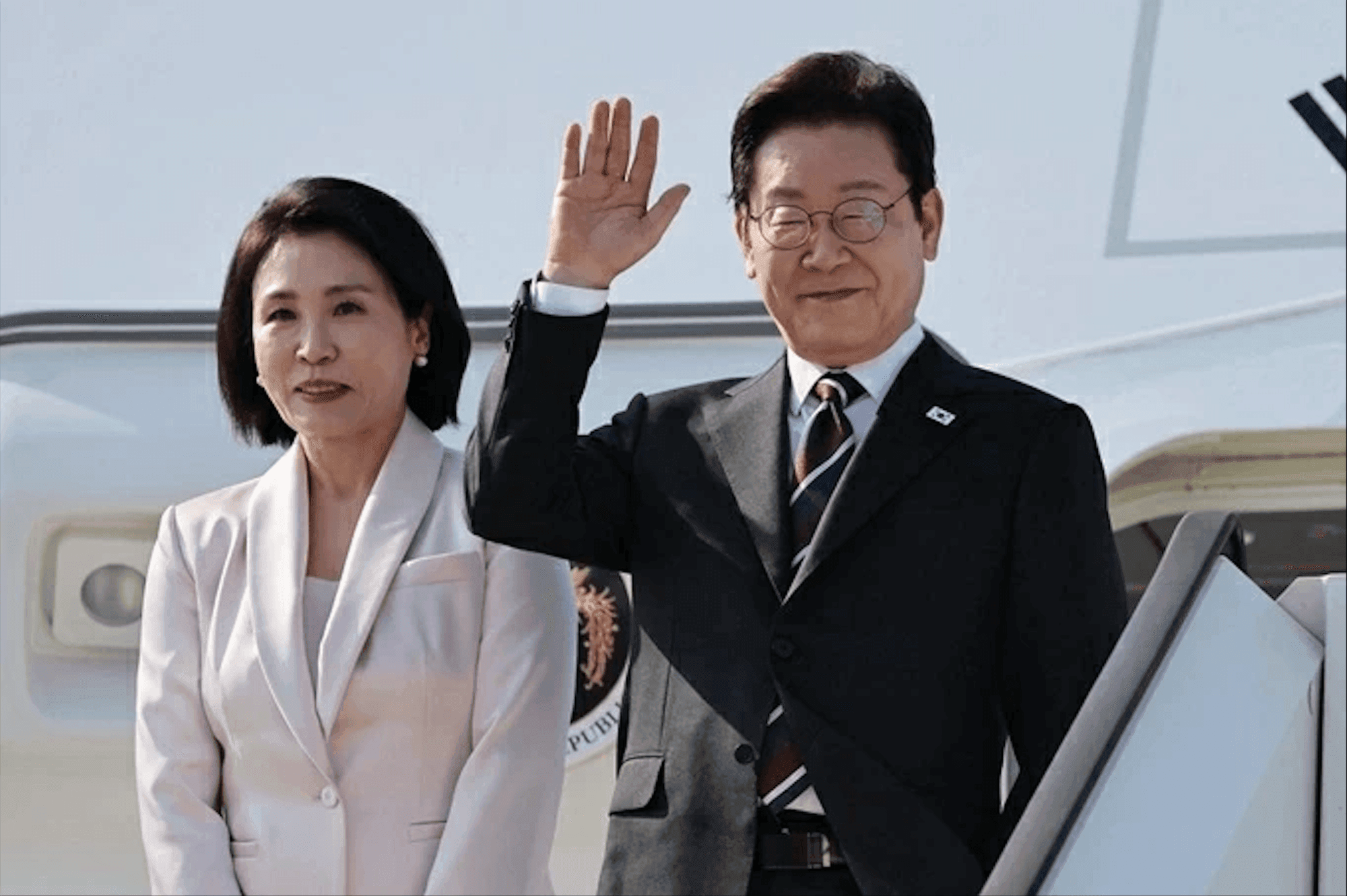
Vietnam’s Ambassador to the Republic of Korea, Vo Ho, said an upcoming visit by South Korean President Lee Jae Myung can be seen as a strategic anchor point for a new phase in bilateral relations. He noted that the president is among the first heads of state to visit soon after Vietnam consolidated its leadership apparatus, reflecting high political trust and strategic priority between the two countries.
South Korea is Vietnam’s largest foreign-investment partner, with registered capital totaling 98.9 billion USD across 10,447 projects. It is also one of Vietnam’s leading trade partners, with bilateral trade in 2025 reaching 89.5 billion USD. The two sides aim to raise trade to 150 billion USD by 2030, with a more balanced orientation.
South Korea is also an important partner in official development assistance (ODA) and development cooperation. Vietnam receives about 20% of Korea’s total ODA. Over the last five years, Korea’s total aid to Vietnam exceeded 500 million USD, comprising 90% ODA loans and 10% grants.
According to Ambassador Vo Ho, the visit is expected to focus on converting the existing cooperation scale into higher-quality cooperation through three pillars:
“The core is to elevate the relationship from 'important partner' to a 'creator partner' in development and regional stability. I think the direction is from development partners to creator partners - from cooperation to integration - from production to innovation.” — Ambassador Vo Ho
Ambassador Vo Ho said Vietnam is undergoing a growth-model transformation in which science, technology and innovation are central. He pointed out that Korea is among the world’s leading countries in research and development intensity, at over 4% of GDP, and that the impetus Vietnam expects is not simply an increase in the number of projects, but a change in the nature of technological cooperation.
He noted that many Korean firms have built large production complexes in Vietnam, particularly in electronics. In the next phase, Vietnam is expected to move into higher value-added activities such as design, R&D and core technology—especially in semiconductors and AI—so Vietnam can participate more deeply in high-tech value chains.
The ambassador added that the goal is to shift Vietnam–Korea economic relations from “outsourcing and assembly” toward “co-production and co-creation,” ensuring sustainability and long-term development.
Vietnam’s modernization efforts and its push to advance science and technology are aimed at becoming a high-income country by 2045, Ambassador Vo Ho said, adding that Korea is expected to be a primary partner Vietnam can rely on during this process.
He also said economic cooperation has moved beyond labor-intensive sectors toward building a future industrial ecosystem and sharing responsibility for global supply chain stability. Korea, he said, is ready to support Vietnam’s digital transformation and green growth.
Separately, KOCHAM Chairman Ko Tae Yeon said a delegation of about 200 Korean companies—including leaders of major conglomerates such as Samsung, SK, LG, and Hyundai Motor—will accompany President Lee Jae Myung and his wife on the state visit to Vietnam.




Premium gym chains are entering a “golden era” that is ending or already in decline, as rising operating costs collide with shifting consumer preferences toward more flexible, community-based ways to exercise. Long-term memberships are shrinking, margins are pressured by higher rents and facility expenses, and competition from smaller, more personalized…