•
•
•
•
•
•
•
•
•
•
•
•
•
•
•
•
•
•
•
•
•
•
•
•
•
•
•
•
•
•
•
•
•


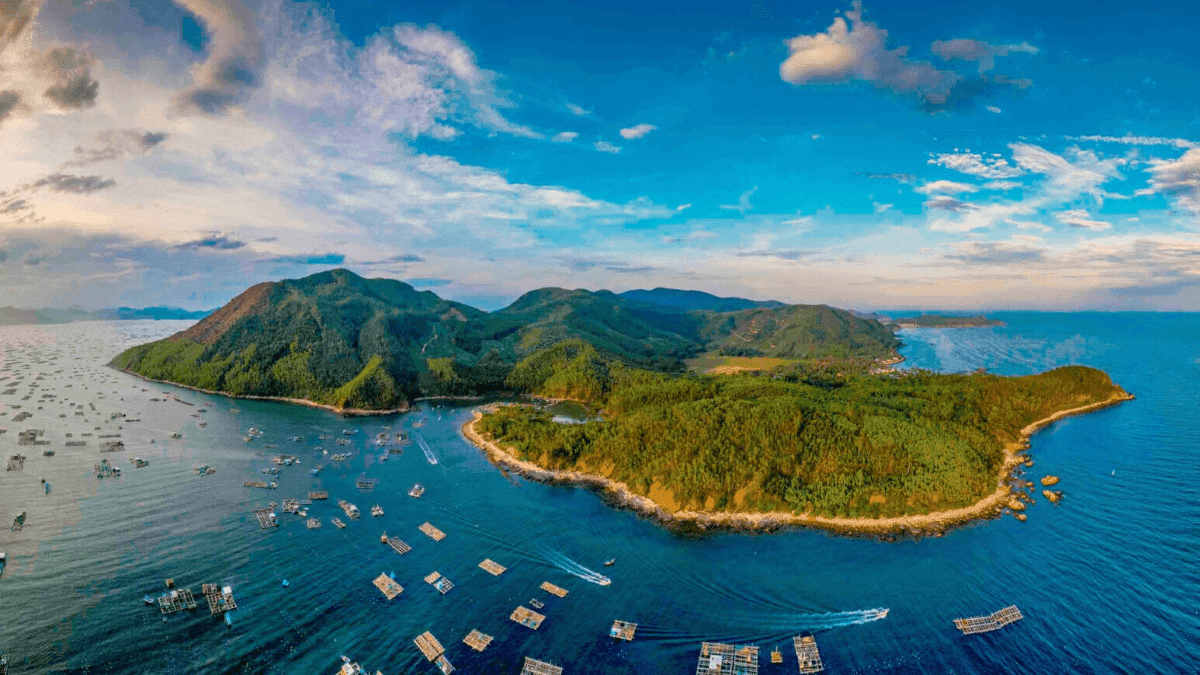
Amid growing pressure on resource extraction, environmental degradation and increasing climate risks, marine protected areas are increasingly viewed not only as conservation tools, but as a governance institution needed to maintain ecological functions, support sustainable fisheries management and protect the natural base for long-term development.
Vietnam’s approach was discussed by experts at a national technical seminar series, including “Solutions for establishing and effectively managing Vietnam’s marine protected areas by 2030, with a vision to 2050,” alongside a review of the Turtle Conservation Action Plan in Vietnam 2016–2025 and directions for 2026–2035. The event took place on 21–22 June 2026 and was organized by the Fisheries Department and the National Fisheries Surveillance and Aquatic Resource Management under the Ministry of Agriculture and Environment, in cooperation with the United Nations Development Programme (UNDP) Vietnam and the International Union for Conservation of Nature (IUCN).
The seminar focused on assessing outcomes of implementing the Vietnam Marine Protected Area System through 2025 and the plan for 2026–2030, identifying policy implementation bottlenecks, and proposing solutions related to institutional arrangements, organizational management, resource mobilization and stakeholder participation in marine conservation and turtle protection.
Experts said Vietnam’s seas and coastal areas are both ecologically significant and economically valuable, supporting livelihoods for about 20 million coastal residents and strengthening resilience to climate change. They emphasized that marine and coastal ecosystems serve as habitats and spawning grounds for rare aquatic species, and that conserving them through an effectively developed marine protected area system is key to protecting species, restoring resources and enabling sustainable long-term coastal and marine economic development.
“Marine and coastal ecosystems are not only platforms for preserving biodiversity but also habitats and spawning grounds for many rare aquatic species. Conserving these ecosystems through an effectively developed marine protected area system is the key to protecting species, restoring resources, and ensuring sustainable long-term coastal and marine economic development.” — Mr. Nguyen Quang Hung, Deputy Director, Fisheries Department and National Fisheries Surveillance, Ministry of Agriculture and Environment.
Vietnam currently has seven marine protected areas: Bach Long Vy, Co To – Tran Island, Ly Son, Con Dao, Hon Cau, Ca Mau and Phu Quoc. In addition, five coastal zones are managed within national parks and nature reserves (Cat Ba, Bai Tu Long, Nui Chua, Con Dao and Cua Lao Cham), with a total protected marine area of about 215,191 hectares, accounting for roughly 0.215% of the country’s marine natural area.
Separately, seven coastal areas are being developed by local authorities to establish marine protected areas under fisheries law: Ha Long Bay, Bai Tu Long, Cat Ba - Long Chau, Hon Ngu - Dao Mat, Quy Nhon Bay, Nha Trang Bay and Phu Qui.
By the end of 2026, it is planned that 14 out of 27 marine protected areas will be established under the 2021–2030 Plan for protecting and exploiting living resources in the marine sector, with a vision to 2050.
According to Prime Ministerial Decision 1539/QD-TTg dated 10 December 2024, Vietnam aims for protected marine and coastal area coverage to reach at least 6% of the natural marine area by 2030.
Experts noted that challenges go beyond expanding coverage. They include ensuring management capacity, investing in infrastructure, strengthening cross-sector coordination and building an integrated monitoring and evaluation system.
At the seminar, a draft Vietnam Marine Protected Area Management Effectiveness Index was being finalized with technical support from UNDP. The index combines international methodological frameworks, ecosystem-based approaches and Vietnam’s specific legal-administrative context.
The index includes 24 indicators across five content areas, covering key components of marine protected area management from governance and planning to resources, implementation processes, results and impact.
Speakers also highlighted the role of non-governmental organizations in marine protected area management. They said marine protected area management is resource-intensive and requires diverse expertise, while state budgets are limited. Engaging NGOs and civil society, they said, can supplement resources, increase governance flexibility and support innovation—reflecting a broader trend toward “socialized” management for greater efficiency and sustainability.
Seminar participants said that if implemented properly, the approach would strengthen state governance in marine conservation and help link conservation with sustainable marine economic development. They also said it would support restoration of resources, improve resilience for coastal and island seas, and help sustain long-term community livelihoods, contributing to Vietnam’s sustainable development goals for its marine economy.




Premium gym chains are entering a “golden era” that is ending or already in decline, as rising operating costs collide with shifting consumer preferences toward more flexible, community-based ways to exercise. Long-term memberships are shrinking, margins are pressured by higher rents and facility expenses, and competition from smaller, more personalized…