•
•
•
•
•
•
•
•
•
•
•
•
•
•
•
•
•
•
•
•
•
•
•
•
•
•
•
•
•
•
•
•
•


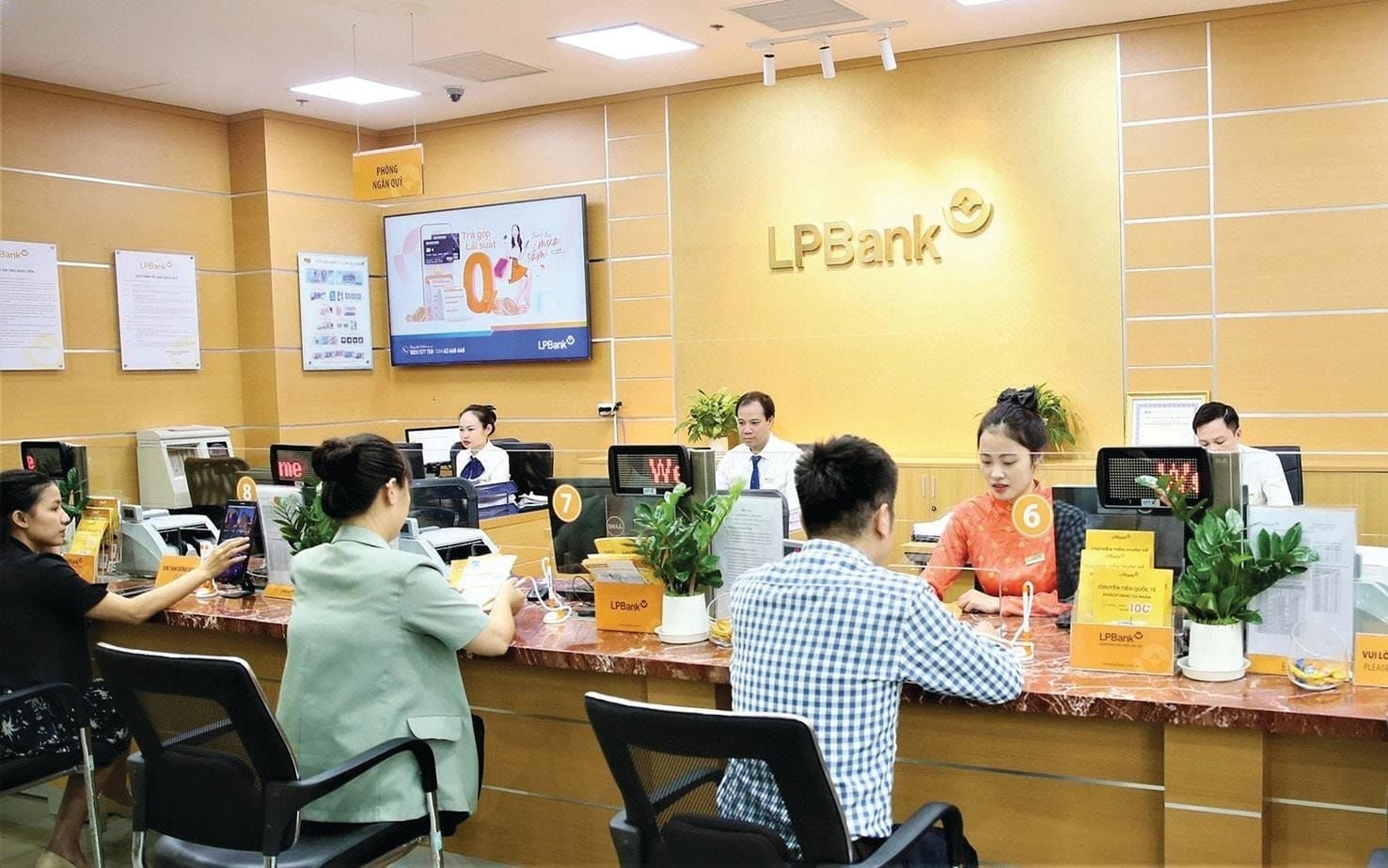
LPBank updated its deposit rates as of 10 April 2026, with online deposits continuing to be higher than branch deposits, the top rate reaching 7.20% per year for terms of 24–25 months. LPBank's deposit rates for individuals at the counter start at 0.10% per year for terms of 1–3 weeks. For terms 1–3 months, end-of-term interest is listed at 4.40% per year, while 4–5 months is 4.60% per year. From 6 months onward, rates rise sharply. Specifically, 6–11 months are listed at 6.20% per year; 12 months at 6.30% per year; 13 months at 6.40% per year. For longer terms, rates continue to increase, with 15–18 months at 6.50% per year; 24–25 months at 6.60% per year; and 36 months and above maintained at 6.20% per year. In addition to end-of-term interest, LPBank also offers upfront interest and periodic monthly or quarterly interest payments at lower corresponding rates. Online rates: The highest 7.20% per year On the online savings channel, LPBank continues to offer higher rates than in-branch across all terms. Specifically, 1 month 4.70%; 2 months 4.70%; 3–5 months 4.75%. 6–11 months, online rates are 6.90% per year. For 12–13 months, rates rise to 7.00%. Notably, 15–18 month terms are listed at 7.10%. The current top rate is 7.20% per year, applicable to 24–25 month terms online. Longer terms 36–60 months carry 6.20% per year. The new rate structure indicates LPBank continues to prioritize funding in mid-term 12–24 months, where the highest rates cluster. At the same time, the spread between online and branch channels persists, with online rates 0.3–0.6 percentage points higher than branch rates, reflecting banks’ push to mobilize deposits through digital channels amid intensifying rate competition.







Premium gym chains are entering a “golden era” that is ending or already in decline, as rising operating costs collide with shifting consumer preferences toward more flexible, community-based ways to exercise. Long-term memberships are shrinking, margins are pressured by higher rents and facility expenses, and competition from smaller, more personalized…


