•
•
•
•
•
•
•
•
•
•
•
•
•
•
•
•
•
•
•
•
•
•
•
•
•
•
•
•
•
•
•
•
•



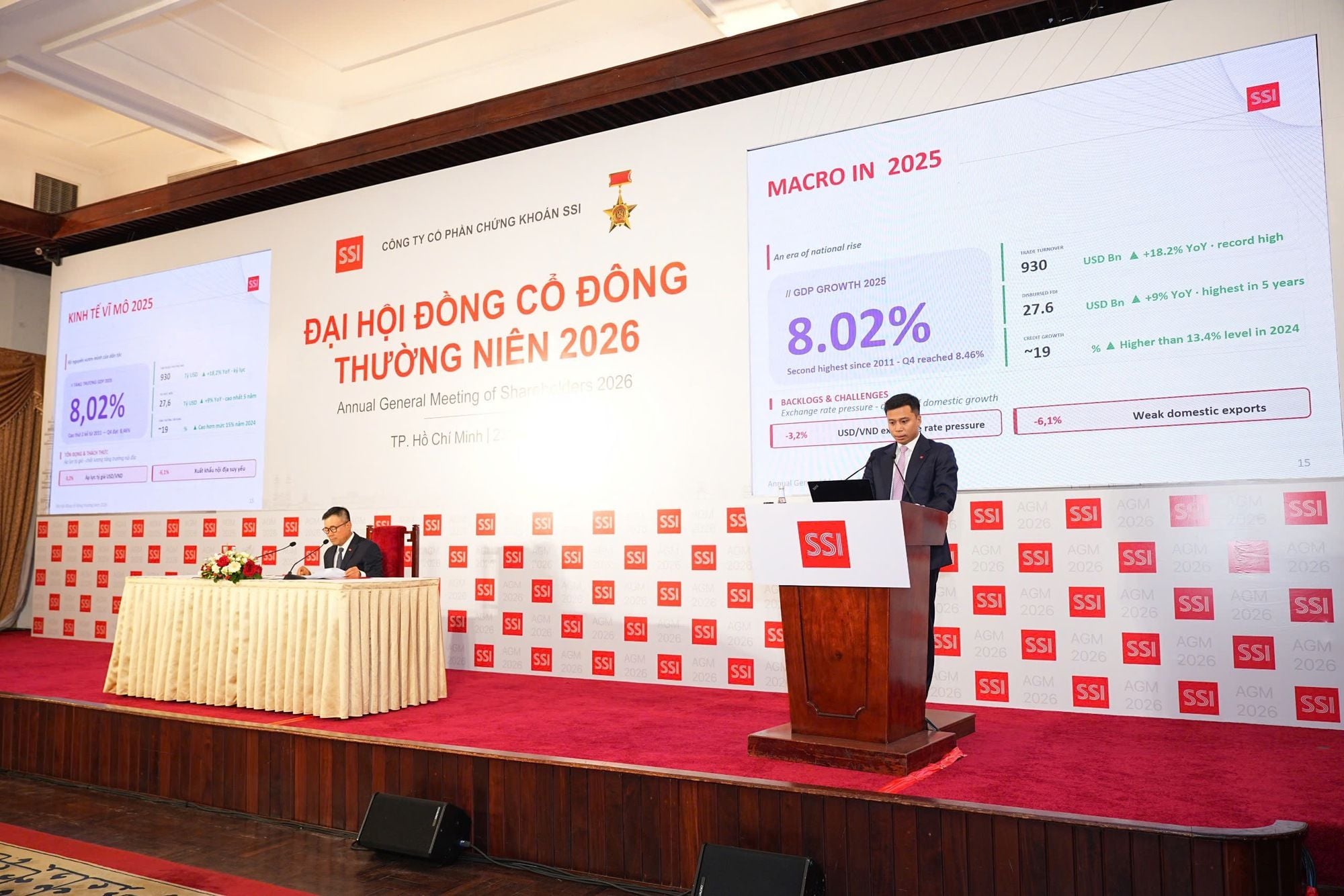
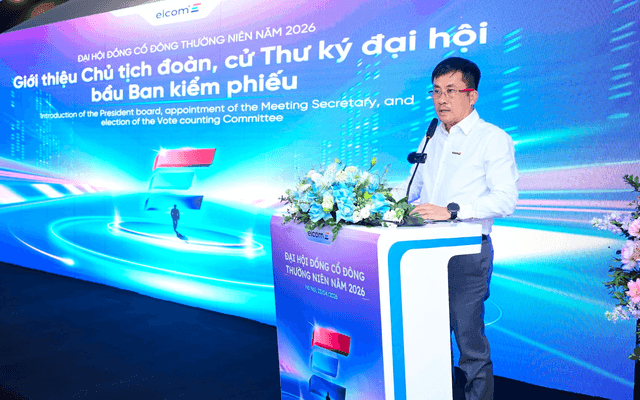
Although the law requires annual general meeting (AGM) materials to be published at least 21 days in advance, representatives of the State Securities Commission say many companies still issue sparse documents that are later supplemented or amended close to the meeting date. They argue this approach deprives shareholders of sufficient time to study the information, which can reduce the quality of voting.
Mr. Nguyễn Hoàng Dương, Vice Chairman of the State Securities Commission, said the AGM is the clearest arena to demonstrate transparency of information, the quality of explanations by the board, the culture of dialogue with shareholders, and the ability to convey the company’s long-term vision and commitments to sustainable development.
Under the Enterprise Law, AGM documents must be published 21 days in advance. However, Le Trung Hai, Deputy Head of the Public Company Supervisory Division at the State Securities Commission, said that in practice many firms still have shortcomings, including attached documents that are sparse.
With patchy and incomplete information, companies then issue amendments or supplements near the meeting date. Mr. Hai emphasized that companies need to change this attitude, saying that providing materials should ensure enough time for shareholders to study the contents—not merely to meet formal requirements.
In the recent period, many regulations related to corporate governance have been amended. One notable point in the amended Enterprise Law is the addition of the concept of “beneficial owner,” which helps identify the real controlling individuals in ownership structures and increases transparency in governance.
The new rules also require companies to store and update information on beneficial owners to support regulators in overseeing ownership structures and reducing governance risks.
In addition, the regulations tighten disclosure of stated capital and emphasize the personal responsibility of the legal representative when actions cause harm to the enterprise.
Another notable requirement is that the board of directors pay dividends according to resolutions passed by the AGM, aimed at protecting shareholders’ legal rights and reducing delays or failures to pay dividends.
Mr. Phan Le Thanh Long, CEO of the Vietnam Institute of Board Members (VIOD), said that in developed markets investors typically assess multiple factors during AGM sessions, including information transparency, the board’s accountability, shareholders’ rights to participate and vote, and the quality of dialogue between the company and investors.
This year, the AGM season is expected to be active from late March to late April, with a number of companies already announcing meetings within this period.
Nguyen Tien Dung, Deputy CEO of the Vietnam Securities Exchange, said that as the capital market moves closer to upgrading, the AGM is no longer only a legal formality. He described it as a “measuring stick” of governance capability and a forum for dialogue between the board and shareholders, where enterprises demonstrate transparency, accountability, and long-term strategic vision.

Premium gym chains are entering a “golden era” that is ending or already in decline, as rising operating costs collide with shifting consumer preferences toward more flexible, community-based ways to exercise. Long-term memberships are shrinking, margins are pressured by higher rents and facility expenses, and competition from smaller, more personalized…