•
•
•
•
•
•
•
•
•
•
•
•
•
•
•
•
•
•
•
•
•
•
•
•
•
•
•
•
•
•
•
•
•


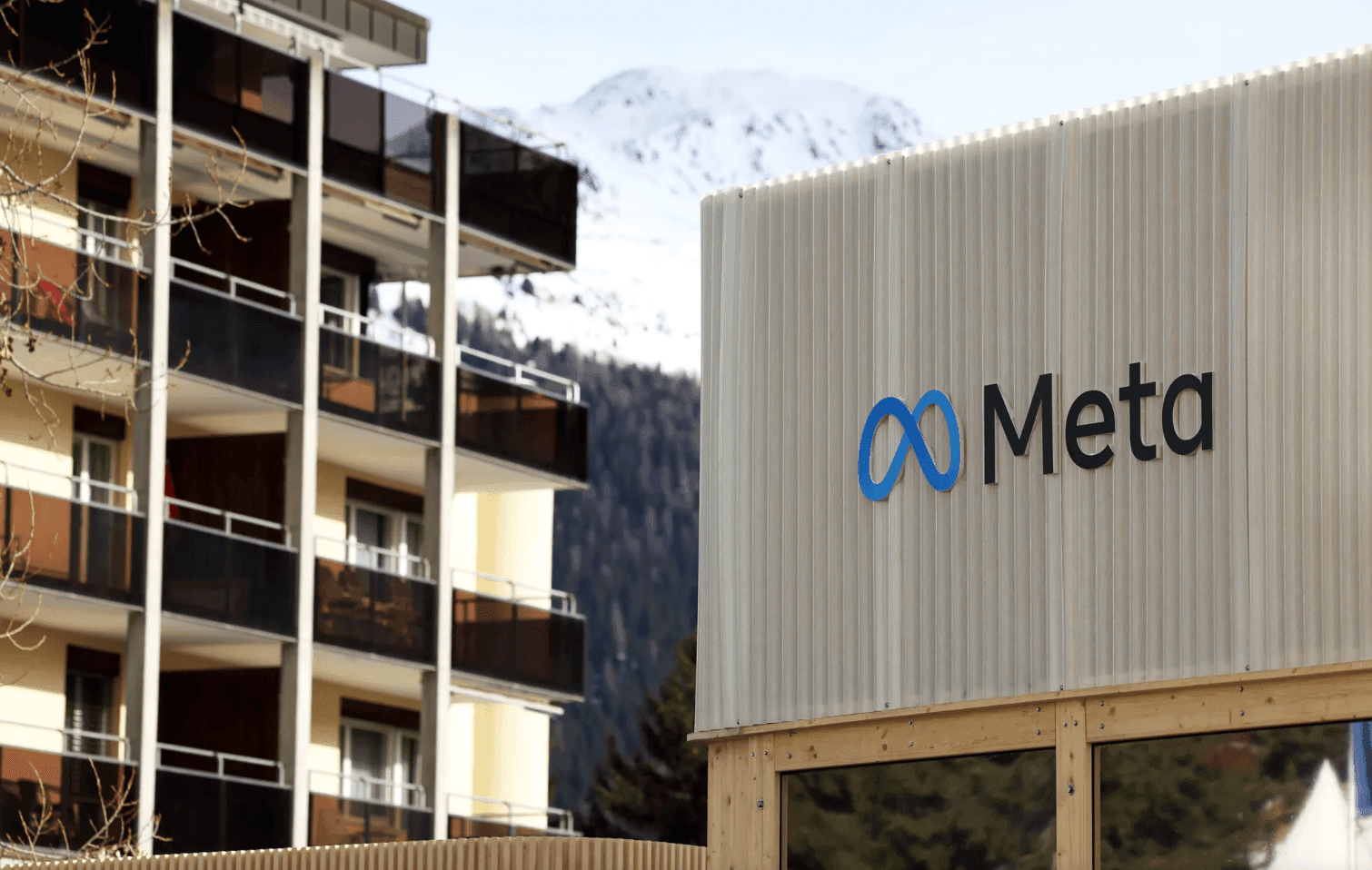
A new wave of workforce reductions among major global technology companies is emerging as firms restructure and place artificial intelligence (AI) at the center of their operating models. Meta, the parent company of Facebook and Instagram, is expected to carry out its first large layoff of the year on May 20, a move that could signal a broader sequence of cuts through 2026.
The initial round is estimated to affect about 10% of Meta’s global workforce, equivalent to nearly 8,000 employees. Additional reductions are reportedly planned for the second half of the year, though the scale and timing have not been disclosed. Some earlier reports suggested total cuts could reach 20% of global staff, underscoring the potential aggressiveness of the restructuring. Meta has declined to comment.
The layoffs come as CEO Mark Zuckerberg pushes AI investment on a scale described as hundreds of billions of USD, with the aim of reshaping how the business operates. The stated direction is to build a leaner operating machine by reducing management layers and improving efficiency through automation.
In this framework, AI is positioned not only to handle repetitive tasks but also to take on more complex functions over time, including data analysis and decision support.
The restructuring trend is not limited to Meta. Other technology companies have also reduced staff in recent months. Amazon has cut tens of thousands of office workers, while Block Inc pursued substantial layoffs earlier this year.
Data from Layoffs.fyi indicates that since the start of the year, more than 73,000 tech workers globally have lost their jobs. The figure is described as nearly half of the total for 2024, suggesting the current wave has not slowed.
By the end of 2025, Meta had about 79,000 employees worldwide. Company leadership appears to be aligning with a new operating model—fewer employees paired with higher efficiency enabled by AI.







Premium gym chains are entering a “golden era” that is ending or already in decline, as rising operating costs collide with shifting consumer preferences toward more flexible, community-based ways to exercise. Long-term memberships are shrinking, margins are pressured by higher rents and facility expenses, and competition from smaller, more personalized…