•
•
•
•
•
•
•
•
•
•
•
•
•
•
•
•
•
•
•
•
•
•
•
•
•
•
•
•
•
•
•
•
•


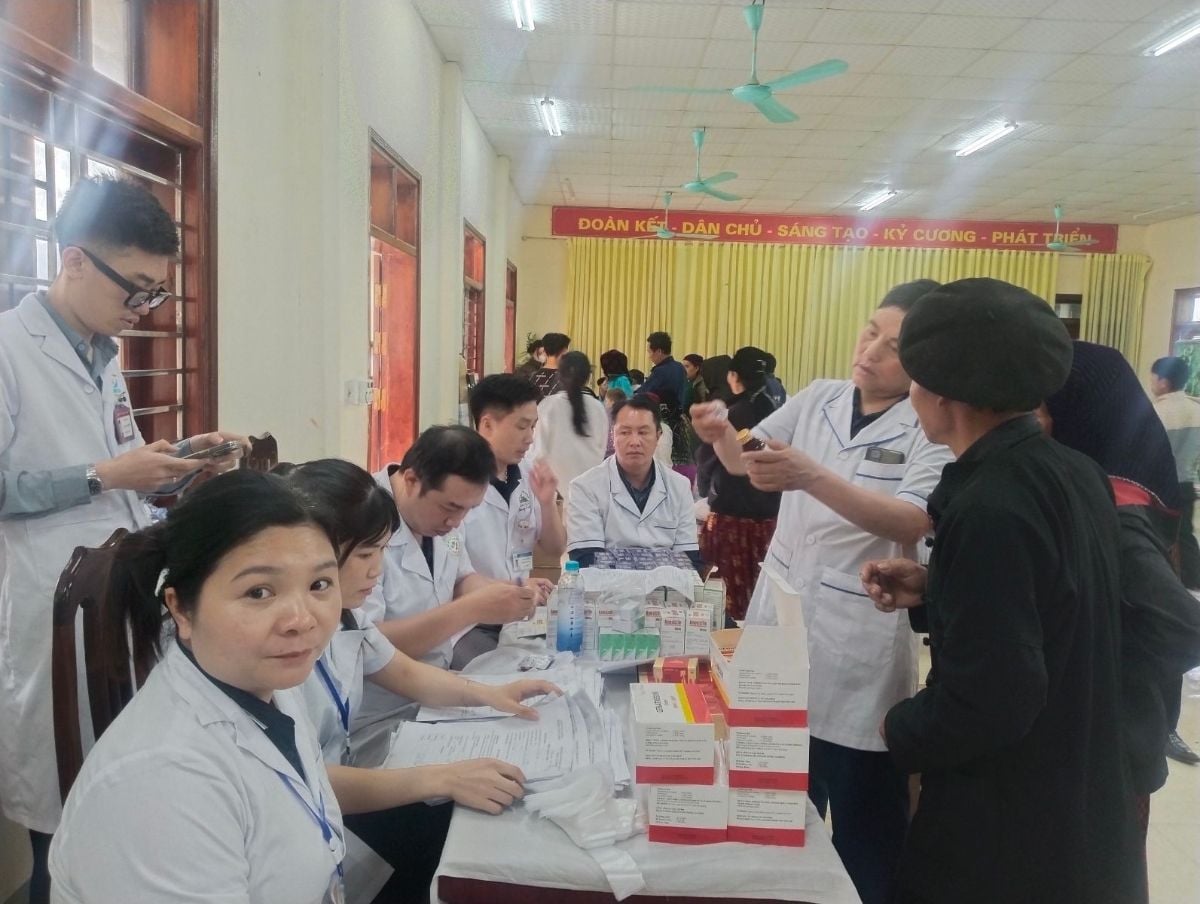
People aged 18 and older will be offered comprehensive clinical examinations and pre-clinical tests such as blood tests, urine tests, and imaging diagnostics (including chest X-rays). Other tests will be carried out depending on practical local funding capacity or upon voluntary self-pay requests by individuals, agencies, organizations, or enterprises. During medical history taking and clinical, laboratory, and imaging examinations, if signs indicate conditions such as tuberculosis, lung cancer, or other diseases, practitioners are required to order specialized laboratory tests to support diagnosis, treatment, or referral to an appropriate health facility for early detection and intervention.
For female workers, the obstetrics-gynecology module in periodic health examinations includes a gynecological examination, cervical cancer screening, breast cancer screening, and an ultrasound of the uterus and annexes when indicated by the examining physician.
For people aged 6 to under 18, full clinical specialty examinations should be conducted. Laboratory tests are performed when indicated by a physician or upon voluntary self-pay requests by individuals, agencies, organizations, or enterprises, or according to local capacity to support payment by the local unit.
For children under 6, examination contents under Ministry of Health regulations include: vital signs; assessment of nutritional status; evaluation of mental and motor development; evaluation of immunization status; and a comprehensive examination of the body and its parts, including skin, head-and-neck, eyes, ears-nose-throat, teeth and oral cavity, respiration, cardiovascular system, abdomen and genitals, musculoskeletal system, and nervous system.
There is also an autism risk screening component for children aged 16–30 months.
The Ministry of Health requires full content examinations to assess children’s health status. If a child shows abnormal signs or diseases, timely examination and treatment should be provided, along with counseling and referral to an appropriate health facility as needed.
For periodic health examinations for children under 6, the Ministry specifies that priority should be given to health stations at commune/ward level when staffing, equipment, and tools meet professional requirements.
For cadres, students, and workers in specialized sectors, the Ministry of Health continues to follow existing regulations.
The Ministry of Health also proposes prioritizing groups and scheduling checkups to ensure suitability, avoid overload, and facilitate access for the public. Health examinations should be organized according to appropriate professional content for each group to assess health status or classify health status, with a focus on early detection of disease risks and cases. Counseling on prevention and treatment or referral to appropriate health facilities should be provided in accordance with regulations.
Timeline for implementing free health checkups for the population: 15:02, 20/03/2026.
Projected priority groups for free health checkups from 2026: 09:42, 29/09/2025.
Premium gym chains are entering a “golden era” that is ending or already in decline, as rising operating costs collide with shifting consumer preferences toward more flexible, community-based ways to exercise. Long-term memberships are shrinking, margins are pressured by higher rents and facility expenses, and competition from smaller, more personalized…