•
•
•
•
•
•
•
•
•
•
•
•
•
•
•
•
•
•
•
•
•
•
•
•
•
•
•
•
•
•
•
•
•


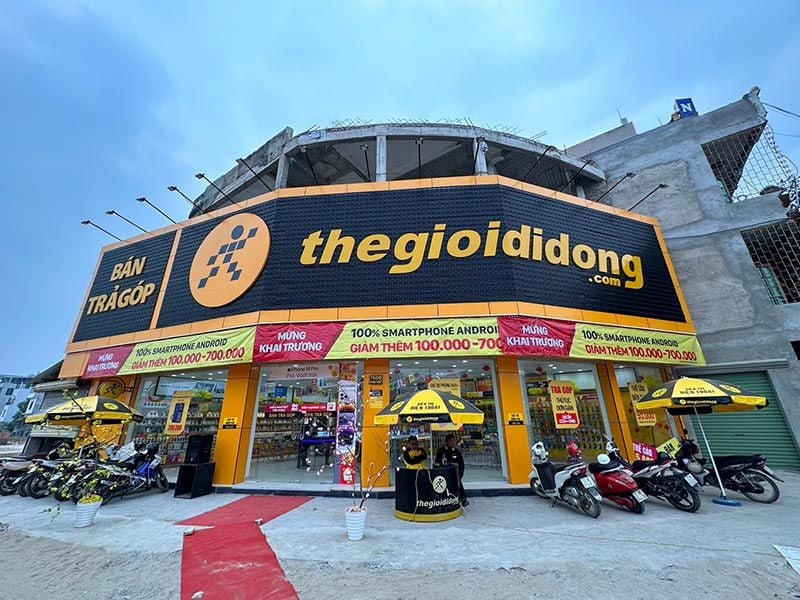
Many Vietnamese companies are looking to add real estate to their business lines to better leverage existing infrastructure and assets or to use it as a platform for expanding core operations. Mobile World Investment (MWG), FPT Telecom and PAN Group are among the firms that have recently outlined plans related to real estate activities in materials prepared for their 2026 annual general meetings.
MWG, a major retailer, said in documents prepared for its 2026 annual general meeting that it aims for 2026 revenue of 185,000 trillion dong and net profit after tax of 9,200 billion dong, up 18% and 30% respectively.
MWG stated that any new business lines would mainly involve intercompany activities. The company clarified that it does not plan to invest in or develop external real estate projects.
MWG also proposed adding activities including accounting, auditing and tax advisory services; real estate and land-use rights; and investment consulting and financial services, to align with its strategic objectives. The company said real estate activities would be conducted mostly between the group and its subsidiaries, and that there is no plan to invest in external real estate projects or to provide services outside the group.
FPT Telecom is also drawing attention for expanding into real estate. The plan to add real estate as a business, presented at the 2026 AGM, includes two main goals: leasing passive telecom infrastructure such as conduits and underground tanks, and acquiring land-use rights to build telecom infrastructure (including MetroPop, PoP, or offices).
The company noted that some provinces have blocked related procedures because FPT Telecom has not yet registered a real estate business line in its license. FPT Telecom said the proposed changes would better reflect actual operations and remove legal obstacles in deploying infrastructure.
PAN Group will hold its 2026 annual general meeting on April 21. A key item is a proposal to adjust several business lines, including removing consulting management and producing baked goods and cocoa/chocolate and confectionery, which the company said aligns with its post-Bibica sale strategy.
In contrast, PAN Group proposed adding activities including business management consulting, other management consulting, and real estate. The company said these additions would allow it to continue exercising rights and obligations related to land use tied to parcels transferred from Bibica, as approved by the board.
Earlier, on January 31, 2026, PAN Group announced the completion of transferring more than 18.4 million Bibica shares to Bibica Capital to complete the capital contribution process.





Premium gym chains are entering a “golden era” that is ending or already in decline, as rising operating costs collide with shifting consumer preferences toward more flexible, community-based ways to exercise. Long-term memberships are shrinking, margins are pressured by higher rents and facility expenses, and competition from smaller, more personalized…


