•
•
•
•
•
•
•
•
•
•
•
•
•
•
•
•
•
•
•
•
•
•
•
•
•
•
•
•
•
•
•
•
•
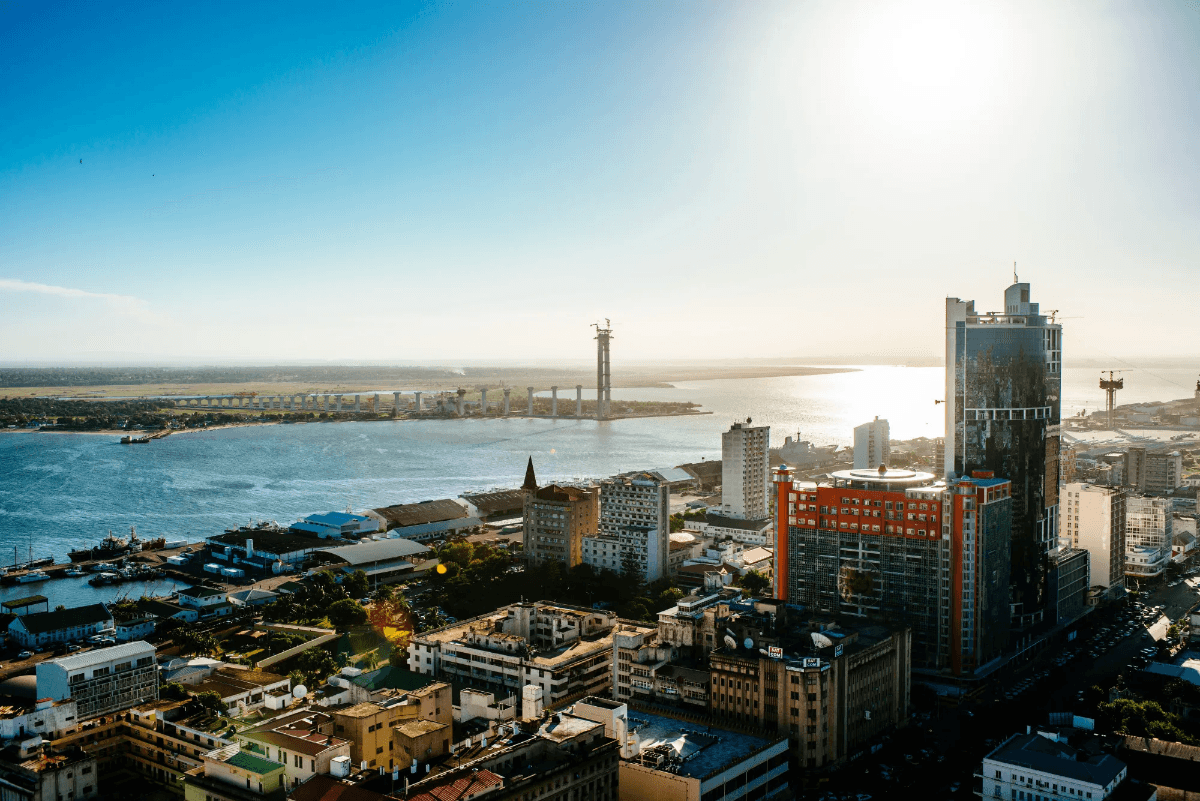
Mozambique, a gas-rich country in Southeast Africa, is facing mounting financial pressure and the risk of default. The government is considering converting about $1.4 billion of debt borrowed from China from USD-denominated to yuan-denominated debt, as part of ongoing debt-restructuring talks with Beijing, according to Bloomberg.
The Mozambican Ministry of Finance said the proposal is a plausible option that has been discussed. The timing is critical as Mozambique’s external financing stress has intensified, with international institutions warning that the country’s debt outlook is deteriorating.
The International Monetary Fund (IMF) and the World Bank (WB) have recently warned that Mozambique’s debt is unsustainable, citing rising overdue debt and weak liquidity. Fitch Ratings also downgraded Mozambique’s credit rating last month, saying the probability of default is high.
Converting part of the debt into yuan could ease near-term pressures by reducing Mozambique’s reliance on the USD. The greenback has strengthened against many African currencies, increasing the foreign-debt burden for countries with USD-denominated obligations.
The proposed USD-to-yuan swap would align with a broader trend across Africa, where governments are increasingly using China’s currency in step with Beijing’s strategy to internationalize the yuan.
Even so, the yuan remains a small share of global reserves. IMF data show yuan accounts for less than 2% of global foreign exchange reserves, compared with 56.8% for the USD.
Mozambique is also negotiating with China on a debt-for-development swap. Under this approach, part of the debt obligations would be redirected into domestic investment projects.
The Mozambican government said priority areas include agriculture, energy, infrastructure, health, education, and climate resilience. One of the first projects under consideration is expected to focus on children. If approved, Mozambique would join a small group of African nations testing such arrangements with China. Last year, Egypt signed a memorandum of understanding on a similar framework.
Despite having one of Africa’s largest natural gas reserves, Mozambique has not benefited significantly from the resource. Projects led by TotalEnergies and ExxonMobil, worth about $50 billion, have been delayed for years, and Mozambique’s gas export prospects may not materialize until the late part of this decade.
Debt pressures are rising. Mozambique’s $900 million Eurobond due in 2028 will mature that year with $225 million to be paid. The government is also seeking a new IMF program after abandoning the previous one last year, highlighting the urgency of securing support before large repayments come due.
Premium gym chains are entering a “golden era” that is ending or already in decline, as rising operating costs collide with shifting consumer preferences toward more flexible, community-based ways to exercise. Long-term memberships are shrinking, margins are pressured by higher rents and facility expenses, and competition from smaller, more personalized…