•
•
•
•
•
•
•
•
•
•
•
•
•
•
•
•
•
•
•
•
•
•
•
•
•
•
•
•
•
•
•
•
•



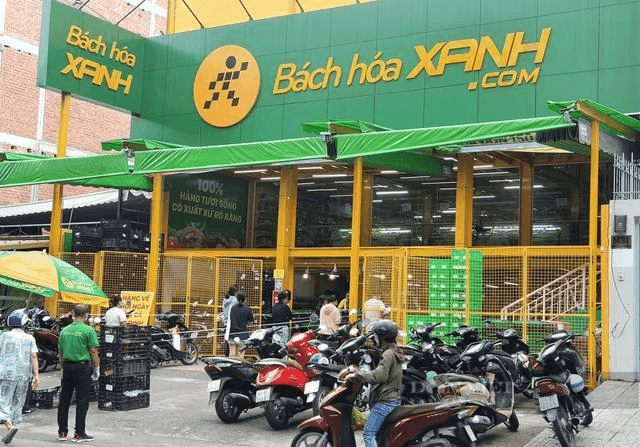
MWG says the expansion into real estate is intended to support leasing of premises, warehouses, and to ensure regulatory compliance. At MWG Investment Joint Stock Company (HoSE: MWG)'s 2026 annual general meeting held on April 18, an investor asked whether adding a real estate business line related to buying or leasing back stores it rents or subleasing space to optimize cash flow. In response, MWG's CEO Vu Dang Linh stated that the group and its subsidiaries currently engage in renting commercial premises and warehouses on a large scale. During operations, some premises and warehouses have surplus capacity, so the company conducts subleasing, either internally or with external partners, to optimize utilization. Additionally, the company is pursuing related activities such as warehouse leasing and warehouse management for other partners. According to Mr. Linh, adding real estate activities is to comply with applicable laws for these operations. Company representatives emphasized that this is the main reason for the adjustment, aiming to meet practical operating needs and ensure compliance with current regulations. As of the end of 2025, MWG operated a total of 6,255 stores across the network, including 1,012 The Gioi Di Dong stores, 2,008 Dien May Xanh stores (including DMS), 2,559 Bach Hoa Xanh stores, 83 AvaKids stores, 382 An Khang pharmacies, and 181 Era Blue stores. Looking ahead to 2026, the company targets revenue of 185,000 billion VND and after-tax profit of 9,200 billion VND, corresponding to increases of about 19% and 30% respectively from the prior year. Regarding profit distribution, the company plans cash dividends at a rate of 20% (equivalent to 2,000 dong per share), to be paid in two installments in Q3 and Q4/2026. With about 1.47 billion shares outstanding, total cash dividends to shareholders are estimated at nearly 3,000 billion dong. Previously, in the 2026 annual general meeting documents, MWG Investment JSC presented to shareholders a plan to add several business lines, including real estate, along with investment advisory and finance. This content attracted shareholder interest and was explained by leadership at the meeting.
Premium gym chains are entering a “golden era” that is ending or already in decline, as rising operating costs collide with shifting consumer preferences toward more flexible, community-based ways to exercise. Long-term memberships are shrinking, margins are pressured by higher rents and facility expenses, and competition from smaller, more personalized…