•
•
•
•
•
•
•
•
•
•
•
•
•
•
•
•
•
•
•
•
•
•
•
•
•
•
•
•
•
•
•
•
•



The main driver behind the recommendation comes from a growth picture that exceeded expectations. In Q1 2026, MWG posted revenue of over 46.25 trillion VND, up 28% year-on-year, while after-tax profit reached 2.668 trillion VND, up 72%. This marks the fourth consecutive quarter of record profits, a notable result amid continued demand pressures in the retail sector.
MWG also demonstrated strong execution against its plans, completing about 25% of revenue targets and nearly 30% of the full-year profit target in Q1 alone. If the positive trend continues, this creates room for the company to beat its 2026 plan.
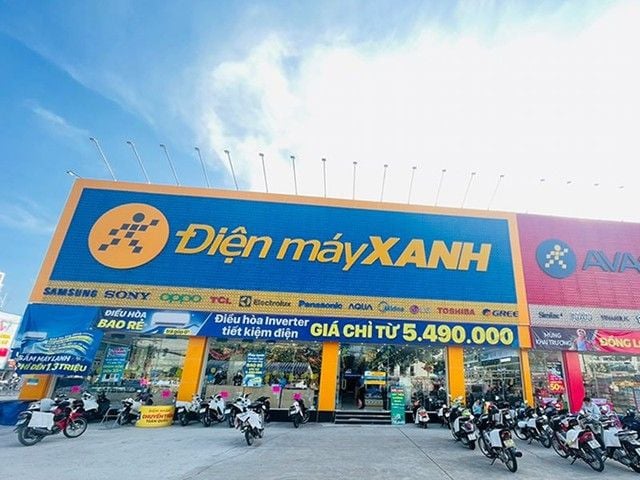
Within MWG’s ecosystem, Dien May Xanh (DMX) remains the main cash-generating engine. In Q1, DMX generated over 32.6 trillion VND in revenue, up 30% from the same period last year. The buy-now-pay-later segment rose as much as 50%, reflecting the benefits of expanding retail finance solutions. DMX’s after-tax profit also increased to over 2.2 trillion VND, up nearly 50%.
DMX is no longer limited to pure retail. The chain is transforming into a platform offering “complete consumer solutions,” where products are paired with financial services. This approach is intended to expand the customer base and improve long-term margins.
Meanwhile, BHX—previously a question mark on efficiency—is gradually improving. The chain targets about 10% annual revenue growth per existing store and is expanding into the Northern market with around 100 stores initially meeting expectations. Unlike in the past, BHX’s strategy now emphasizes optimizing logistics and operational efficiency rather than rapid expansion.
MWG is also building a services pillar. The company is expanding installation and repair services and gradually bringing services to market rather than serving internal use only. Management views this as a step to complete the consumer ecosystem and increase value per customer.
In addition, MWG keeps M&A options open to seek new growth drivers by leveraging existing retail platforms. In international markets, the Erablue joint venture remains at 45% ownership, with a clear division of roles aimed at maximizing operational efficiency.
MWG has begun cautious exploration of real estate, mainly leveraging existing assets such as warehouses for rent to improve capital efficiency while avoiding increased legal risk.
On shareholder policy, MWG plans to prioritize cash dividends in 2026 rather than share buybacks. The company is also implementing IFRS accounting standards to enhance transparency and align with global reporting practices.
According to BSC Research, MWG is expected to continue benefiting from seasonality in future quarters, including major sporting events and rising demand for home appliances. This could become a turning point that helps the company capitalize on consumer demand recovery.






Premium gym chains are entering a “golden era” that is ending or already in decline, as rising operating costs collide with shifting consumer preferences toward more flexible, community-based ways to exercise. Long-term memberships are shrinking, margins are pressured by higher rents and facility expenses, and competition from smaller, more personalized…



