•
•
•
•
•
•
•
•
•
•
•
•
•
•
•
•
•
•
•
•
•
•
•
•
•
•
•
•
•
•
•
•
•


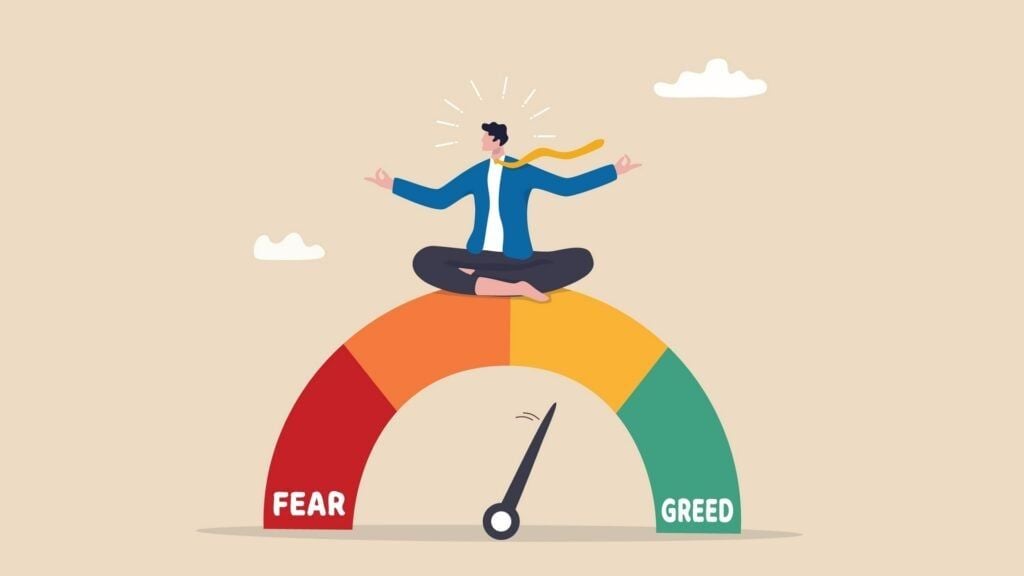
U.S. stocks closed lower on Tuesday, with the Nasdaq Composite dropping more than 100 points during the session as investors weighed renewed Iran ceasefire-related jitters and a fresh rise in crude oil prices. While overall sentiment weakened, the CNN Business Fear & Greed Index remained in the “Greed” zone.
Pakistan’s information minister said a formal response from Iran confirming whether it will send a delegation to Islamabad peace talks was still awaited as of midday. That uncertainty left traders balancing expectations for a potential diplomatic breakthrough against the risk of renewed tensions in the Strait of Hormuz.
At the same time, crude oil prices surged again, contributing to pressure on equities—particularly growth-oriented stocks—during the session.
On the economic front, U.S. retail sales rose 1.7% month-over-month in March. This followed a revised 0.7% increase in February and came in above market estimates of 1.4%.
Most sectors on the S&P 500 ended the day lower. Real estate, utilities, and industrials recorded the biggest losses, while energy stocks bucked the broader trend and closed higher.
The CNN Business Fear & Greed index fell to 67.5 on Tuesday from a prior reading of 70.9, but it remained in the “Greed” zone.
The Fear & Greed Index is designed to gauge current market sentiment. It is based on the idea that higher fear tends to pressure stock prices, while higher greed tends to have the opposite effect. The index is calculated using seven equal-weighted indicators and ranges from 0 to 100, where 0 indicates maximum fear and 100 indicates maximum greed.

Premium gym chains are entering a “golden era” that is ending or already in decline, as rising operating costs collide with shifting consumer preferences toward more flexible, community-based ways to exercise. Long-term memberships are shrinking, margins are pressured by higher rents and facility expenses, and competition from smaller, more personalized…