•
•
•
•
•
•
•
•
•
•
•
•
•
•
•
•
•
•
•
•
•
•
•
•
•
•
•
•
•
•
•
•
•


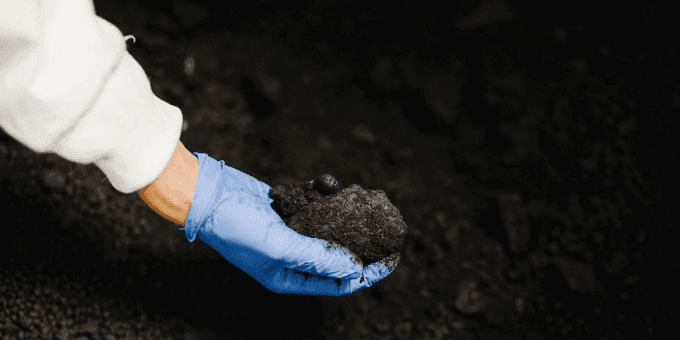
US company Nth Cycle will supply nickel and lithium carbonate recycled from about 12,000 tons of 'black mass'—the material recovered from crushed used lithium‑ion batteries—to Trafigura over ten years, reducing dependence on Chinese supply chains for critical metals. On March 16, Reuters reported the deal on the sidelines of the Indo-Pacific Energy Security Ministers and Business Forum in Tokyo. The agreement sees Trafigura buying 2,000 tons of nickel as a mixed hydroxide precipitate (MHP) and 1,500 tons of lithium carbonate. The order is valued at $1.1 billion and is the largest battery-recycling metals contract to date, according to Electrek. Nth Cycle has commercialized its recycling technology since 2024 at a plant in Ohio and plans to expand to South Carolina and the Netherlands. The South Carolina facility aims to strengthen the U.S. metal supply chain for EVs, energy storage batteries, and AI data centers. The Netherlands plant is part of a project funded with 7.5 million euros from the Netherlands' National Growth Fund under the initiative for critical raw materials (CRM). Regarding the technology, the company will deploy a commercially scalable electrolysis system named 'Oyster' at these sites. Site selection is expected to be completed this year, with operation beginning in 2028. Nth Cycle notes that recycling metals from end-of-life batteries has been hindered by cost and deployment delays. Conventional plants require multi-billion dollar investment, lengthy permitting, and scale to achieve economic viability. The Oyster modular system can be installed at existing facilities, reducing the time to build a recycling plant from more than five years to under two, and cutting initial capital costs by up to 70%, ensuring profitability even at smaller scales. Leaders at Nth Cycle say the need to build domestic capacity for metal recycling is becoming urgent, especially in the U.S., where energy and industrial policy increasingly focus on securing supply of critical minerals. The European Union is tightening regulations on these metals, requiring new electric vehicles to use recycled nickel and cobalt, capping ore transport between member states and banning exports of this material to China.


Premium gym chains are entering a “golden era” that is ending or already in decline, as rising operating costs collide with shifting consumer preferences toward more flexible, community-based ways to exercise. Long-term memberships are shrinking, margins are pressured by higher rents and facility expenses, and competition from smaller, more personalized…