•
•
•
•
•
•
•
•
•
•
•
•
•
•
•
•
•
•
•
•
•
•
•
•
•
•
•
•
•
•
•
•
•


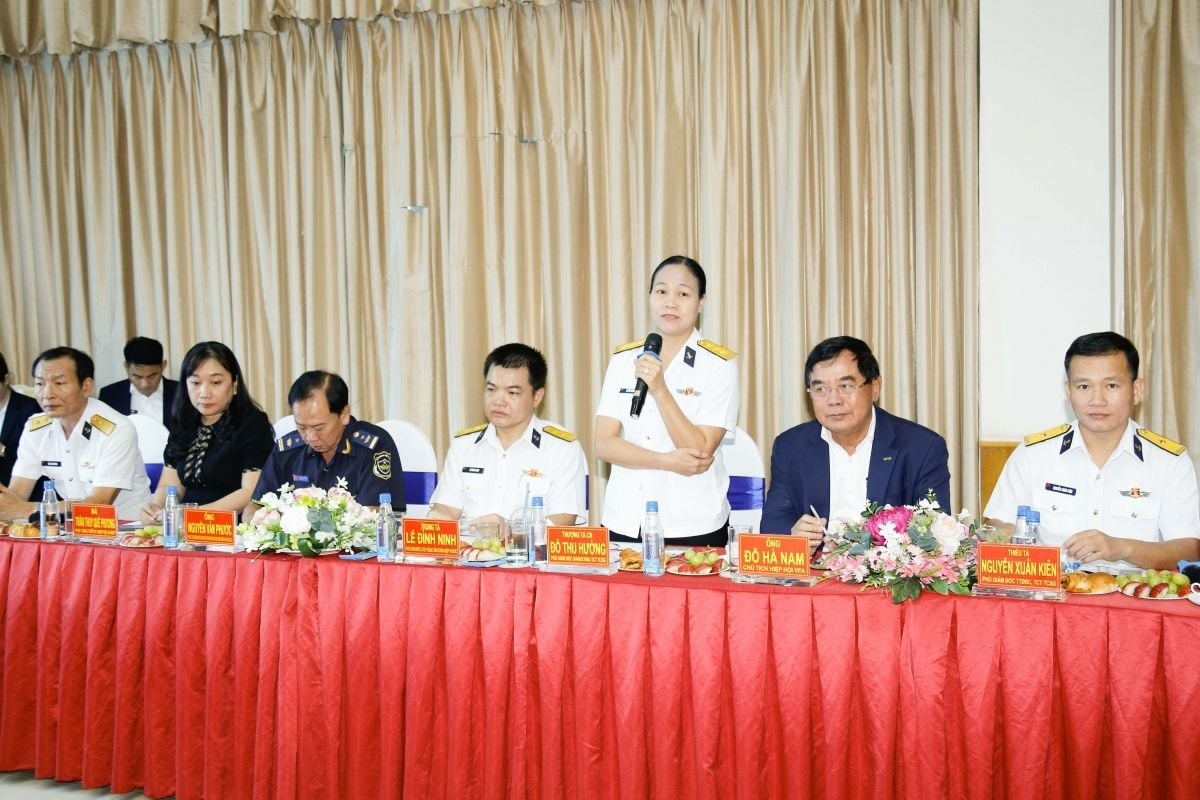
In 2026, Vietnam targets economic growth of 10% or more, raising the urgency of logistics reform amid ongoing global volatility. Against this backdrop, Saigon Port Corporation (TCSG) held a seminar focused on logistics bottlenecks and measures to improve the competitiveness of import and export goods at Tan Cang Hiệp Phước Port.
Industry representatives said Vietnam’s export competitiveness faces pressure from inefficiencies in the logistics system. According to the Vietnam Food Association (VFA), logistics costs account for up to 30% of the price of rice and some other key export items, creating a major barrier for exporters.
Representatives from the Vietnam Association of Processing and Export of Seafood (VASEP) attributed the problem partly to geographic fragmentation. Key raw material areas in the Mekong Delta are far from major port systems, requiring goods to move through multiple intermediary steps and thereby increasing transport and handling costs.
Overreliance on road transport has also contributed to operational delays. Congestion at the gateways of Ho Chi Minh City and a shortage of empty containers during peak seasons can slow deliveries and raise operating costs. In addition, businesses face extra burdens from infrastructure-related charges, including storage fees and waiting fees, as well as strict cold-chain and preservation requirements for agricultural products.
In 2026, logistics activity is being supported by synchronized national infrastructure development. The Ring Road 3 project in Ho Chi Minh City, expected to be completed by June 2026, is designed to create a new economic corridor connecting key industrial zones and the Southwest region with the Hiệp Phước port area. The project is expected to shorten transport times by 30–40% and reduce road logistics costs for enterprises.
Separately, pilot efforts for maritime shipping on soft seabed layers in the Soài Rập channel are being implemented following guidance from the Ministry of Construction and the Maritime Administration. The initiative is intended to expand the ability to receive large-tonnage vessels and improve stability for international service routes, helping enterprises reduce waiting risks related to draft limitations.
The seminar also highlighted a shift in cargo flows driven by improved cost and service organization. With throughput growth of +86.5% in 2025, Tan Cang Hiệp Phước is said to be relieving pressure on the Cat Lai area while offering customers more pickup and delivery options and optimizing the regional logistics chain.
To address cost and time issues for businesses, Tan Cảng Hiệp Phước (TCHP) has implemented an integrated service ecosystem under the orientation: “Elevate connectivity – Accelerate investment – Optimize services – Efficient business.” The approach focuses on practical, sustainable solutions, including:
TCHP is accelerating Phase 1 of its Depot project (1.22 hectares) within the port to build on-site depot capacity. The move is intended to help the port secure an empty container supply more proactively, reduce costs and transit times for facilities within the TCSG system, improve service efficiency for customers, and support businesses in organizing production and trading activities.
The port is restructuring its exploitation capacity through dredging maintenance to ensure maritime safety and increase vessel discharge productivity. Coordinating the pilot shipping initiative on soft mud layers in the Soài Rạp channel—per the Maritime Administration directive—is presented as a key solution to expand capacity for large-tonnage vessels.
Tan Cảng Hiệp Phước currently receives about 10 ships per week on average (excluding enhanced calls). External round trips between Cat Lai and Hiệp Phước for loaded containers, empty containers, and hazardous goods containers are described as maintaining high efficiency.
TCHP continues to enhance service capacity through its IMDG hazardous goods handling center. It also maintains support policies such as free lifting and lowering and free yard storage for both loaded and empty containers. These measures are intended to reduce cost pressures and encourage businesses to shift cargo flows to more efficient terminals.
A priority is increasing the share of direct deliveries at the port and reducing external transshipment pressure. TCHP said it will shorten cargo processing times and coordinate with shipping lines to maintain stable service routes, aiming to build a supply chain that is convenient, efficient, and competitive for customers.
By organizing synchronized logistics services and leveraging new infrastructure connections, Tan Cảng Hiệp Phước expects to convert current challenges into competitive advantages and strengthen the position of Vietnamese goods in international markets.



Premium gym chains are entering a “golden era” that is ending or already in decline, as rising operating costs collide with shifting consumer preferences toward more flexible, community-based ways to exercise. Long-term memberships are shrinking, margins are pressured by higher rents and facility expenses, and competition from smaller, more personalized…




