•
•
•
•
•
•
•
•
•
•
•
•
•
•
•
•
•
•
•
•
•
•
•
•
•
•
•
•
•
•
•
•
•


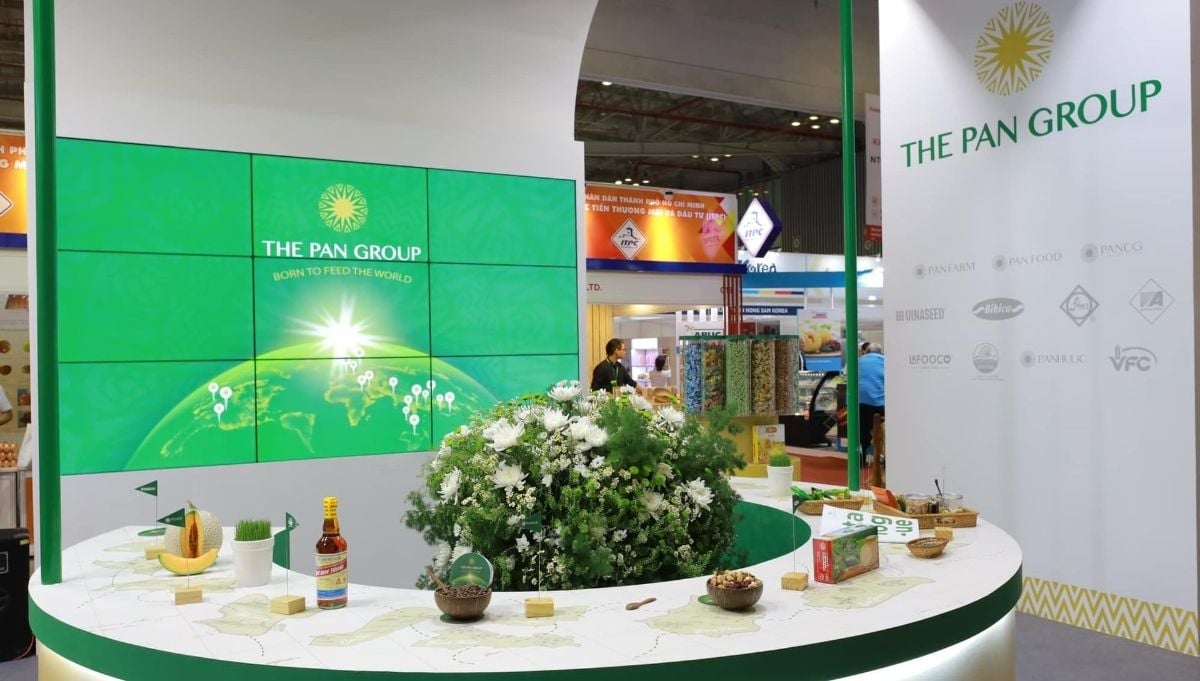
In Q1 2026, PAN Group's after-tax profit reached a record of over VND 1,094 billion. The main contributions came from dividends received from Bibica (VND 660.9 billion) and capital gains from Bibica-related transactions (VND 522.2 billion). At the same time, interest expenses fell 61% to VND 28 billion. As a result, the parent company's pre-tax profit was VND 1,118 billion and after-tax profit VND 1,094 billion. This was the highest quarterly profit in the Group's history, placing PAN Group among a small group of listed companies reporting quarterly profits over VND 1,000 billion. As of 31 March 2026, PAN's total assets reached VND 6,467 billion, with cash and cash equivalents rising dramatically from VND 3 billion to VND 2,056 billion (up 686x), accounting for 32% of total assets and reflecting ample liquidity after Bibica's divestment. Reported undistrubuted after-tax profit rose 12x to VND 1,192 billion. It is clear that the record quarterly profit mostly came from financial income, including gains from Bibica disposal. This is a 'one-off' profit—welcomed in the short term but prompting analysts to question sustainability. In effect, PAN Group's holding model makes the parent highly dependent on the health of its subsidiaries. When a key pillar like Bibica is sold to an external partner, Momogi Group, management faces a challenge to generate a growth driver large enough to offset it, while existing segments such as seeds, rice, and seafood, though sustainable, usually have slim margins and are vulnerable to natural disasters and disease. On the balance sheet, cash and cash equivalents surged to over VND 2,050 billion. For an investment conglomerate, holding too much cash without an effective deployment plan is a resource waste. Some argue that if reinvestment into high-return projects is not made promptly, PAN Group's ROE could be dragged down in the long term. Investors are waiting to see which company PAN will acquire with these VND 2,000 billion, or whether it will continue to park funds—a scenario not typical of growth stocks.

Premium gym chains are entering a “golden era” that is ending or already in decline, as rising operating costs collide with shifting consumer preferences toward more flexible, community-based ways to exercise. Long-term memberships are shrinking, margins are pressured by higher rents and facility expenses, and competition from smaller, more personalized…