•
•
•
•
•
•
•
•
•
•
•
•
•
•
•
•
•
•
•
•
•
•
•
•
•
•
•
•
•
•
•
•
•


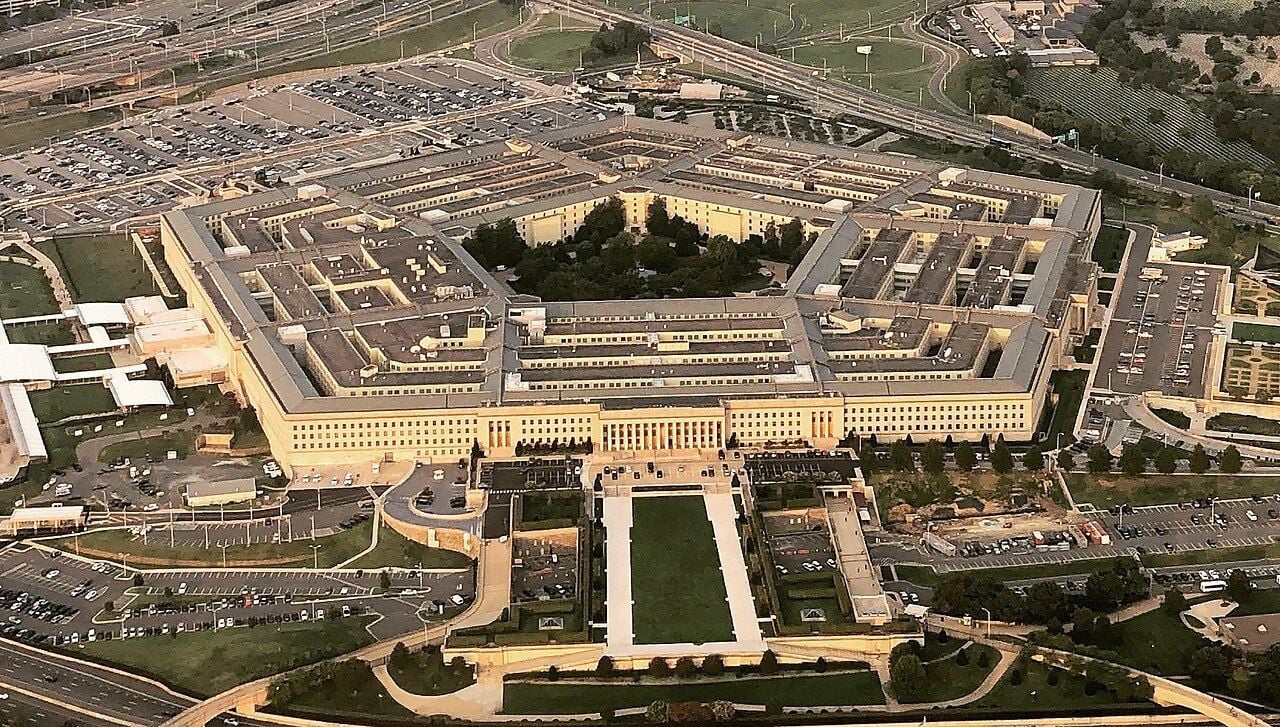
Defense Secretary Pete Hegseth told lawmakers that the Pentagon has classified work connected to Bitcoin and other crypto-related capabilities, after Rep. Lance Gooden asked whether the United States was using Bitcoin to gain strategic leverage against China. The exchange took place during a House Armed Services Committee hearing in which Gooden framed Bitcoin as a national security issue rather than a financial asset.
Hegseth said he has long supported Bitcoin and crypto’s potential, but added that certain Defense Department efforts around “enabling it or defeating it” are classified. He did not provide operational details, though his remarks indicated that senior defense officials now discuss Bitcoin in military terms, including leverage, cybersecurity, and competition with China.
The public record does not confirm the full scope of the classified work referenced by Hegseth.
Adm. Samuel Paparo, head of U.S. Indo-Pacific Command, testified that the command has a Bitcoin node and uses it for network security work rather than mining or financial trading. Paparo described Bitcoin as a computer science tool linked to cryptography, proof of work, and network protection, and said the node is used to monitor the Bitcoin network and run operational tests tied to cybersecurity.
Gooden cited Bitcoin Policy Institute estimates that China holds about 194,000 BTC and that the United States holds about 328,000 BTC. While the figures are estimates, they were used to support the argument that Bitcoin has become part of national security debates.
Gooden argued that Bitcoin has shifted from a “fringe asset” into a matter of national security, citing risks including crypto-related demands around the Strait of Hormuz, North Korea-linked cybercrime, and China’s possible Bitcoin holdings.
Some of the claims about adversary use require careful wording. Public sources support concerns about North Korea-linked crypto theft and Iran-related crypto payment risks, but the Pentagon has not publicly confirmed every detail in the referenced post.
The confirmed takeaway is narrower: Hegseth acknowledged classified Pentagon work involving Bitcoin-related capabilities, while Paparo confirmed that U.S. Indo-Pacific Command operates a Bitcoin node for cybersecurity and network monitoring purposes.
Taken together, the remarks indicate that Bitcoin is now being discussed within defense and geopolitical contexts, not only in financial policy debates.






Premium gym chains are entering a “golden era” that is ending or already in decline, as rising operating costs collide with shifting consumer preferences toward more flexible, community-based ways to exercise. Long-term memberships are shrinking, margins are pressured by higher rents and facility expenses, and competition from smaller, more personalized…