•
•
•
•
•
•
•
•
•
•
•
•
•
•
•
•
•
•
•
•
•
•
•
•
•
•
•
•
•
•
•
•
•


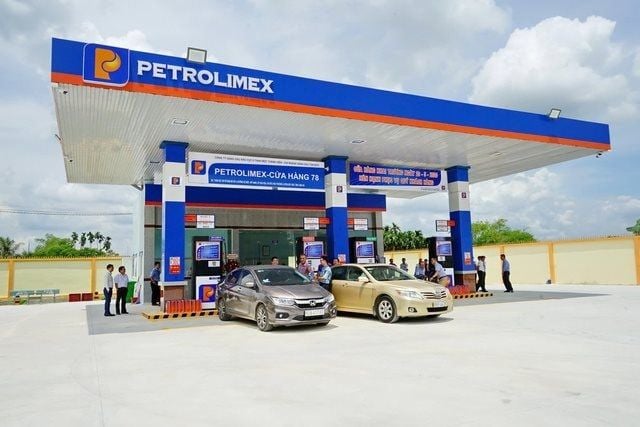
Petrolimex, Vietnam’s National Petroleum and Gas Corporation, has announced materials for its 2026 annual general meeting. The board plans to present a 2026 business plan with consolidated revenue of VND 315,000 billion, up 2% from 2025. If achieved, the company says this would be its highest revenue ever. The pre-tax profit target is VND 3,380 billion, down 7% year on year.
For 2026, Petrolimex expects consolidated selling volume of refined petroleum products to reach 19.4 million tons, up 10% from 2025. At the meeting, the company will also present its 2025 profit distribution plan, including a cash dividend rate of 12% (1,200 VND per share), corresponding to about VND 1,525 billion. For 2026, the dividend rate is expected to be 10%.
Petrolimex’s production and business outlook for 2026-2030 indicates that domestic sales volumes may be affected by policy and market shifts. In 2026-2027, growth is projected to range from 8.5% to 10%. The company expects growth to be supported by government policy directions and highway projects, alongside economic demand, which may partially offset the impact of vehicle-restriction policies and EV growth.
During this period, macroeconomic growth is described as the main driver. New highway infrastructure coming online is expected to boost demand. EVs are expected to begin having a clearer impact, but the company notes they have not yet captured the market, with internal combustion engine vehicles still abundant. The plan to limit gasoline-diesel vehicles in inner cities from 2027 is expected to start affecting output in major cities by the end of this phase.
As Petrolimex expands its supply role and network coverage to highways and outskirts, it may still maintain positive growth, but at a rate significantly lower than the previous phase and possibly below overall GDP growth.
For 2028-2030, Petrolimex expects growth rates to slow to 6-7%. The company says the impact of EVs, green fuels, and vehicle-restriction policies will become more evident. It expects EV effects to strengthen as vehicle prices fall, charging infrastructure improves, and incentive policies take effect. Stricter enforcement of gasoline and diesel vehicle restrictions in major cities is expected to be fully implemented, creating pressure on output in those areas.
Petrolimex also notes that economic growth and freight demand may only partially offset declines. It expects output of traditional gasoline and diesel products could peak or level off. Based on these assumptions, the company expects average annual revenue growth of around 7% per year for 2026-2030.
Petrolimex states that the gasoline/diesel business is directly influenced by global oil price movements. Assuming global oil prices fluctuate within a narrow band similar to the average price in 2021-2025, the company expects 2026-2030 revenue growth of at least 7% per year and profit growth of 6-7% per year.
For shareholder returns, Petrolimex says it aims to pay dividends at an average of 8-10% per year.
Premium gym chains are entering a “golden era” that is ending or already in decline, as rising operating costs collide with shifting consumer preferences toward more flexible, community-based ways to exercise. Long-term memberships are shrinking, margins are pressured by higher rents and facility expenses, and competition from smaller, more personalized…