•
•
•
•
•
•
•
•
•
•
•
•
•
•
•
•
•
•
•
•
•
•
•
•
•
•
•
•
•
•
•
•
•



With assets near $35 billion, Vingroup chairman Pham Nhat Vuong is currently ranked as the 65th richest person in the world, ahead of billionaire Jack Ma and former Amazon founder Jeff Bezos, according to Forbes’ real-time billionaire rankings.
By noon on April 23, Vuong’s wealth stood at $34.9 billion, up $2.9 billion from the previous session. His asset total is higher than that of several other prominent billionaires, including PayPal co-founder Peter Thiel, Alibaba’s Jack Ma, and Jeff Bezos’s ex-wife Mackenzie Scott.
Forbes data shows Jack Ma’s wealth at $28.4 billion and Mackenzie Scott’s at $32.3 billion, placing them at 87th and 70th respectively in the rankings.
Earlier this month, with $24.5 billion, Vuong’s wealth surpassed Prajogo Pangestu (Indonesia) to become Southeast Asia’s richest person.
Forbes notes that an individual’s wealth is estimated based on the quantity and price of the stock they hold at a given time. The rankings also account for other assets, including holdings in private companies, real estate, artworks, and yachts.
Vuong was added to Forbes’ billionaire list in 2013, when he owned $1.5 billion and ranked 974th globally. After 13 years, his wealth has risen more than twentyfold.
As of early April, Vuong and his family hold controlling stakes in Vingroup, with about 65% ownership. He directly owns 389.9 million VIC shares, equivalent to about 10.05% of the firm’s equity.
Vingroup operates across multiple sectors, including real estate, retail, healthcare, and electric vehicles. The group is also expanding into areas such as steel production, electricity, rail, and ports.
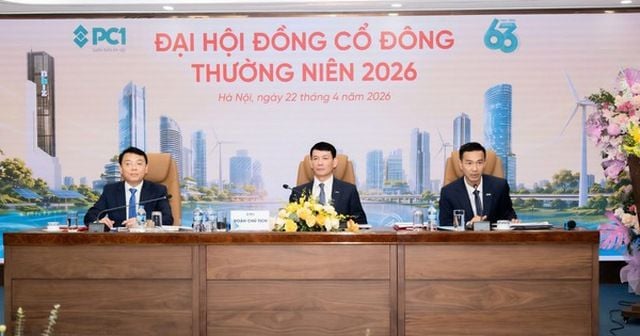
At the April 22 shareholders’ meeting, Vuong said VinFast, Vingroup’s electric-vehicle unit, will study producing additional new models designed for longer travel distances in cases where customers forget to charge. He also said the company will never restart production of gasoline-powered cars.
On the objective of double-digit economic growth this year, Vuong said it is possible with unity and cooperation among the state, businesses, and people. He warned that if people with money prefer to buy gold and store it rather than invest, the economy would lack capital for development.
For the year, the group plans to generate revenue of 485 trillion dong, up about 46% from the previous year. After-tax profit is expected to reach 35 trillion dong, nearly triple the 2025 result.
Premium gym chains are entering a “golden era” that is ending or already in decline, as rising operating costs collide with shifting consumer preferences toward more flexible, community-based ways to exercise. Long-term memberships are shrinking, margins are pressured by higher rents and facility expenses, and competition from smaller, more personalized…