•
•
•
•
•
•
•
•
•
•
•
•
•
•
•
•
•
•
•
•
•
•
•
•
•
•
•
•
•
•
•
•
•


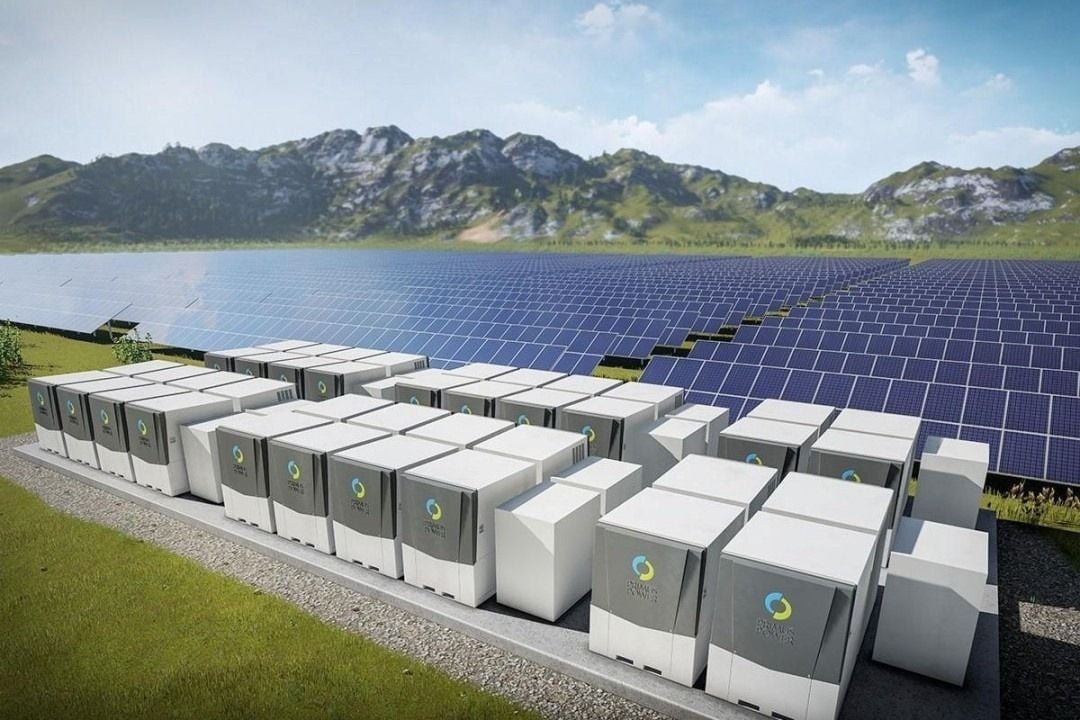
Completing the direct electricity purchase and sale mechanism together with energy storage solutions is not only a response to clean electricity shortages, but also a way to turn industrial parks into self-sufficient, smart, and sustainable energy ecosystems.
With the Net Zero commitment by 2050 set as a guiding direction for economic activity, Vietnamese businesses face growing pressure to green their production chains. However, current obstacles extend beyond investment costs, including the stability of the transmission system and the access mechanism to renewable energy sources.
At the forum “Perfecting renewable electricity and storage policy – a stable green energy platform for enterprises,” held on 21 April 2026, the Vice Chairman of the Vietnam Chamber of Commerce and Industry (VCCI), Hoang Quang Phong, said Vietnam targets GDP growth of over 10% in 2026. He noted that this would require electricity demand to rise by about 1.2 to 1.5 times, equivalent to 12%–15% annual growth—creating significant pressure on the national power system.
Phong said that under the Direct Power Purchase and Sale (DPPA) model, many businesses still face difficulties due to an inconsistent policy framework and limited practical guidance. Enterprises are unclear about how to choose contract models, how transmission and distribution costs are calculated, how payment processes work, and the responsibilities and rights of the parties involved. He described this as an urgent issue to make DPPA a real driver for a green electricity market.
Regarding battery energy storage systems (BESS), Phong said regulations on investment, interconnection, pricing mechanisms, business models, technical standards, ancillary services markets, and capital mobilization and green credit have not kept pace with development speed and actual demand.
Dr. Nguyen Anh Tuan, Vice Chairman of the Vietnam Energy Association (VEA), said Vietnam is entering a pivotal phase of the energy transition, with Net Zero by 2050 increasingly tied to practical requirements in international trade, particularly in the EU and US markets. He said the DPPA mechanism—based on Decrees 80/2024 and 57/2025—represents an important step, but bottlenecks remain.
He added that in industrial zones, greening is not yet treated as a system-wide issue. The legal framework for the “post-meter” model remains limited: self-generation and self-consumption within industrial zones cannot be directly shared among enterprises in the same park.
Forum speakers outlined several priorities to improve DPPA implementation:
“As designed, this mechanism will be developed based on a comprehensive assessment of all affecting factors, balancing the interests of all participants and aligning with market operation principles. The goal is for enterprises not only to access green electricity but also to manage long-term costs proactively,” the official emphasized.
From the perspective of enterprises, authorities should focus on core issues including defining the role of the energy storage system; building appropriate pricing for BESS to incentivize investment; continuing to implement and scale DPSS-like pilot models; finalizing and harmonizing technical standards; and supporting the domestic supply chain.
With these views, the government aims to unlock a robust and sustainable DPPA framework and a green energy market that supports enterprise competitiveness and national energy security.
DPPA frameworks are described as aligning with the policy direction to encourage investment in renewable energy development, supported by ongoing regulatory updates on direct electricity purchase mechanisms.




Premium gym chains are entering a “golden era” that is ending or already in decline, as rising operating costs collide with shifting consumer preferences toward more flexible, community-based ways to exercise. Long-term memberships are shrinking, margins are pressured by higher rents and facility expenses, and competition from smaller, more personalized…