•
•
•
•
•
•
•
•
•
•
•
•
•
•
•
•
•
•
•
•
•
•
•
•
•
•
•
•
•
•
•
•
•


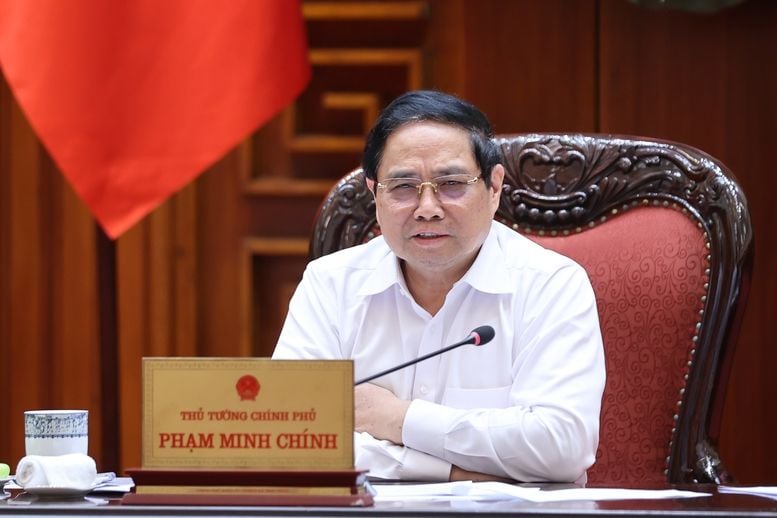
On the morning of March 26, 2026, Prime Minister Pham Minh Chính held a meeting with the Energy Security Task Force to discuss measures in response to the evolving impact of complex developments surrounding the Middle East conflict. Deputy Prime Minister Bui Thanh Son, as Task Force head, along with Deputy Prime Minister Pham Thi Thanh Tra and leaders of relevant ministries, central agencies, task force members, and representatives of major corporations and enterprises attended.
According to reports presented at the meeting, under the Politburo’s directives and the Government’s timely actions—supported by active involvement from ministries, agencies, and localities—Vietnam has largely maintained control of the situation. Domestic crude oil and gasoline supply is described as broadly ensured, meeting production, business, and consumer needs.
Prime Minister Pham Minh Chính emphasized that there must be no shortages of gasoline or oil supply, no disruption to production, and no loss of social order. Petroleum production and business activities should remain healthy, while hoarding, price gouging, speculation, and stockpiling that disrupt the market must be firmly prohibited.
He also directed relevant agencies to combat smuggling across borders and apply deterrent sanctions. The Government Office was tasked with reviewing notices, conclusions, and directives to finalize documents related to taxes and fees on gasoline and oil, while Cabinet members were asked to provide feedback promptly.
The Prime Minister requested the Ministry of Industry and Trade to continue ensuring import supply of crude oil for the coming months. The ministry was also asked to actively monitor, analyze, and forecast domestic and world gasoline and oil markets, and to proactively develop and update supply scenarios under adverse world market conditions.
He directed Petrovietnam and related units to maintain safe and stable operation of refineries, optimize capacity, increase processing output, and avoid exporting raw materials. The Prime Minister also called for accelerating the biodiesel rollout under Resolution No. 36/NQ-CP.
In coordination with the Ministry of Finance, the Ministry of Industry and Trade was asked to flexibly and promptly manage fuel prices in line with world price movements, balancing the interests of the State, enterprises, and people.
The Prime Minister urged the Ministry of Industry and Trade to promptly coordinate with foreign partners to immediately implement a strategic petroleum reserve at Nghi Sơn (Thanh Hoa Province), following discussions with foreign leaders.
He further instructed the Ministry of Finance to promptly propose tax and budget solutions, work closely with the Ministry of Industry and Trade on gasoline and oil price management, and complete procedures to amend Decree 80 on petroleum trading, in coordination with relevant ministries and agencies.
The State Bank of Vietnam directed credit institutions to continue providing favorable interest rates, loans, and foreign currency support. The aim is to ensure oil producers, traders, and importers can access capital for imports, storage, and trading of gasoline and oil in accordance with the law.
Corporations including Petrovietnam, EVN, TKV, Petrolimex, and Vietnam Airlines Corporation were asked to coordinate with ministries to actively manage stockpiles, build contingency plans for production, and ensure supply security.


Premium gym chains are entering a “golden era” that is ending or already in decline, as rising operating costs collide with shifting consumer preferences toward more flexible, community-based ways to exercise. Long-term memberships are shrinking, margins are pressured by higher rents and facility expenses, and competition from smaller, more personalized…