•
•
•
•
•
•
•
•
•
•
•
•
•
•
•
•
•
•
•
•
•
•
•
•
•
•
•
•
•
•
•
•
•



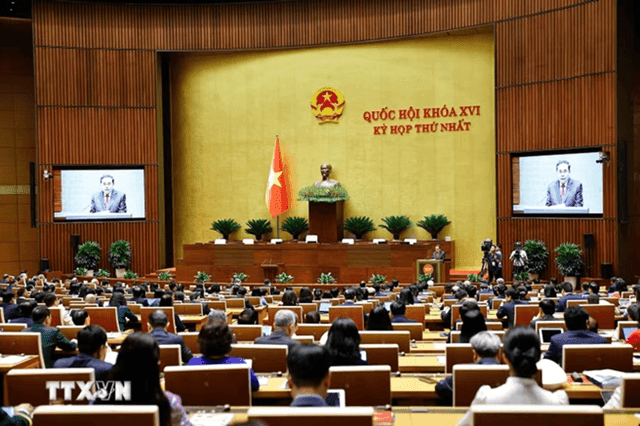
Vietnam's National Assembly proposes to designate November 24 annually as Vietnam Culture Day, with workers entitled to a paid day off. The resolution on developing Vietnamese culture proposes codifying the policy of designating November 24 as Vietnam Culture Day, with workers allowed to take paid leave. On April 19, the National Assembly's Committee on Culture and Social Affairs held the second plenary session to vet the draft resolution on developing Vietnamese culture. Notably, the draft proposes codifying the policy of designating November 24 as Vietnam Culture Day, with workers allowed to take paid leave, while also encouraging citizens to participate in cultural activities. In particular, the draft proposes numerous mechanisms and incentives to develop Vietnamese culture. It calls for ensuring the state budget allocation for culture of at least 2% of total expenditures, and encourages mobilization of social resources. Deputy Minister of Culture, Sports and Tourism Trịnh Thị Thủy presents the draft resolution to the National Assembly. In addition, the draft proposes mechanisms and policies to attract investment into culture, such as facilitating access to land and land use; tax and fee incentives; promoting the formation of clusters and creative zones; and transferring management and operation of certain cultural and sports facilities to local communities. The draft also proposes several preferential policies, such as applying a 5% value-added tax rate to certain cultural goods and services; exempting 100% of import duties and customs fees for artworks, heritage items, national treasures, and rare antiquities brought to Vietnam for display when not for profit. Additionally, the draft allows piloting a heritage city model; prioritizes land for cultural and sports projects; waives or reduces rent for land and public assets for certain units; developing specialized human resources through training, remuneration, and career conversion policies. The draft also mentions budgeting and procurement mechanisms in cultural activities funded by the state; promoting publicity and development of the cultural industry market; accelerating digital transformation and the development of digital culture. The draft allows piloting the establishment of a Culture and Arts Fund under a public-private partnership model. The fund would operate as a venture capital fund, taking market-based risks to finance startup creative enterprises and groundbreaking cultural projects. Deputy Chair of the Committee on Culture and Social Affairs Dang Xuan Phuong presented the vetting report; the committee believes the enactment of the resolution is necessary. The committee notes progress by agencies in preparing the dossier and supports proceeding to the National Assembly under simplified procedures. However, the committee suggests clarifying the content of several concepts, especially in the investment and incentive mechanisms in culture, to ensure consistent understanding and improve policy implementation. For the heritage city model, the committee urges clear criteria and scope, prioritizing localities with focus to avoid dispersion. Regarding tax and land policies, a careful assessment of impacts on the state budget and the efficient use of public assets is needed. On policies for developing human resources, the committee calls for a careful review of beneficiaries to ensure efficient use of resources, and continues to refine the legal framework for specialized forms of art. For the budgeting mechanism, it is necessary to specify the list of tasks, norms, and evaluation criteria. Regarding the Culture and Arts Fund, the policy has broad scope and requires careful study of the organizational model, governance, capital mobilization methods, and risk-sharing principles to ensure feasibility.





Premium gym chains are entering a “golden era” that is ending or already in decline, as rising operating costs collide with shifting consumer preferences toward more flexible, community-based ways to exercise. Long-term memberships are shrinking, margins are pressured by higher rents and facility expenses, and competition from smaller, more personalized…



