•
•
•
•
•
•
•
•
•
•
•
•
•
•
•
•
•
•
•
•
•
•
•
•
•
•
•
•
•
•
•
•
•


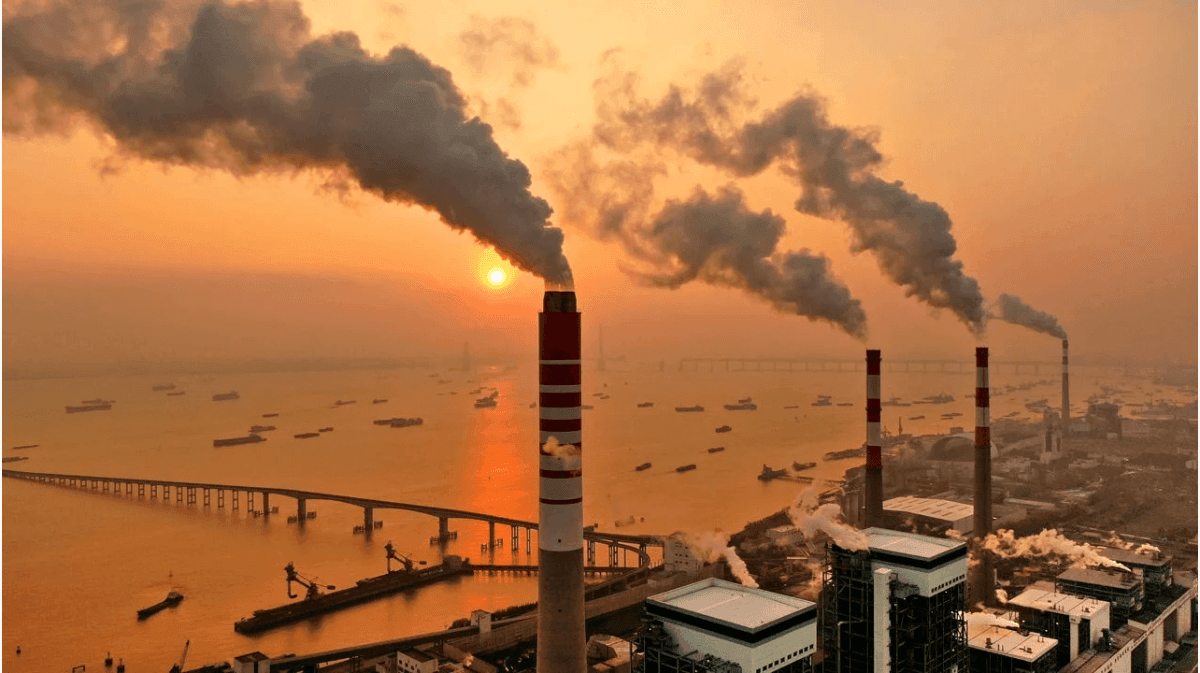
A proposal would require facilities in the relevant category to carry out greenhouse gas inventories annually, replacing the current biennial cycle. The change is intended to improve data continuity over time to support the allocation, monitoring and evaluation of emissions, carbon credits, and international commitments.
Under existing regulations, facilities in the category must conduct greenhouse gas inventories, maintain emission data, and submit inventory results to the Ministry of Agriculture and Rural Development and the Environment every two years. Submissions are due before December 1 of the reporting year.
A review of the Environmental Protection Law 2020 indicates that the two-year cycle does not reliably ensure data continuity or accuracy. This, in turn, complicates the allocation of emission allowances, monitoring and emissions reduction, and the absorption of carbon credits.
The draft amendment shifts the approach from a “reduction” focus to a broader “emission management” framework. It expands responsibilities for inventorying at the provincial level and introduces online reporting, with decentralization to UBNDs (provincial authorities) to compile local facilities lists.
The draft requires facilities in the category to:
Independent assessors must verify inventory results used for allowance allocation, and the verified results must be updated on the online system.
The state also encourages facilities not in the category to conduct annual inventories and update emission data on the national online system.
According to the category list, 2,166 facilities are required to perform greenhouse gas inventories (Decision 13/2024/QĐ-TTg).
The draft law also assigns sectoral authorities to conduct annual inventories within their domains and update the national system by June 30 of the following year.
At the provincial level, UBNDs will compile annual lists of emitting facilities in their jurisdiction and issue these lists by December 31 each year.







Premium gym chains are entering a “golden era” that is ending or already in decline, as rising operating costs collide with shifting consumer preferences toward more flexible, community-based ways to exercise. Long-term memberships are shrinking, margins are pressured by higher rents and facility expenses, and competition from smaller, more personalized…