•
•
•
•
•
•
•
•
•
•
•
•
•
•
•
•
•
•
•
•
•
•
•
•
•
•
•
•
•
•
•
•
•


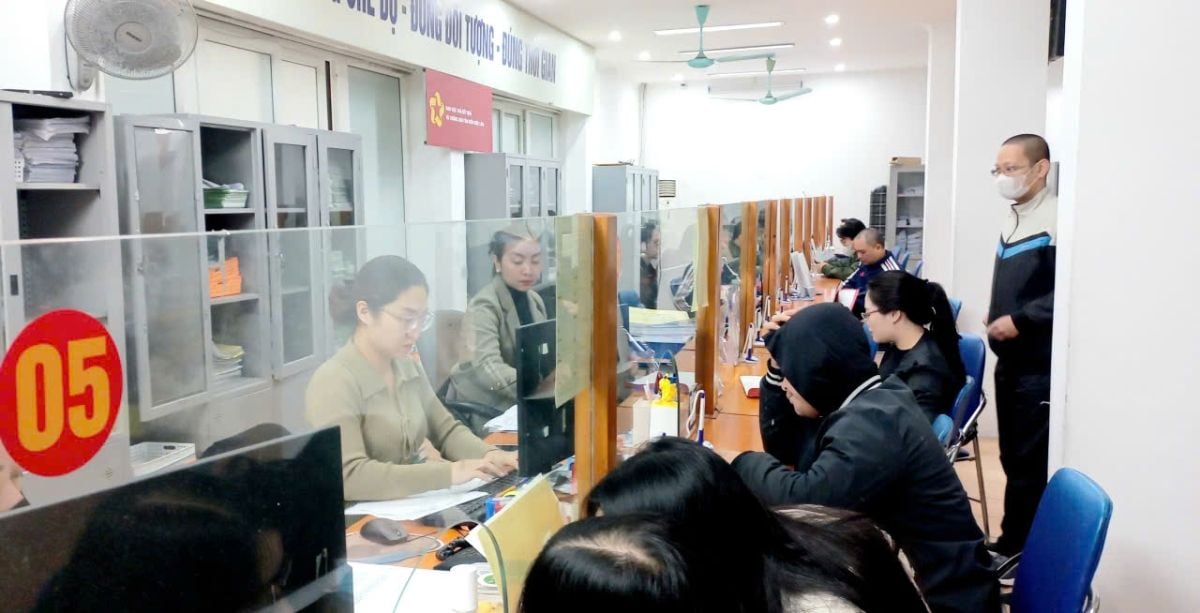
Q1 2026 unemployment among the working-age population stood at about 1.06 million people, generally unchanged from the previous quarter and up slightly by 21.8 thousand people (2.1%) from the same period last year. The unemployment rate among the working-age population was 2.21%, hardly different from the previous quarter and the same period last year.
Urban unemployment continued to stay below 3%, lower than the target set in Government Resolution 01/NQ-CP on the main tasks and solutions to implement the 2026 socio-economic development plan and the state budget estimates. The Statistics Office said this indicates the urban labor market remains stable.
Youth unemployment aged 15-24 in Q1 was 8.86%, down 0.2 percentage points from the previous quarter but up 0.9 percentage points from the same period last year. In urban areas, the youth unemployment rate was 10.7%, higher than rural by 2.8 percentage points. Compared with a year earlier, youth unemployment fell in urban areas (down 0.4 percentage points) but rose in rural areas (up 1.5 percentage points).
The Statistics Office noted that youth unemployment is higher than overall unemployment, reflecting the characteristics of young workers in the early stage of entering the labor market—when job demand is still high, but work experience is being accumulated and the match between skills and labor market needs is not yet fully aligned. It described this as a structural feature of the labor market.
In addition to unemployment figures, the Statistics Office reported that in Q1 the number of unemployed people aged 15-24 who were not employed and not participating in education or training reached about 786.7 thousand. This was up 2.7 thousand from the previous quarter but down 10.3 thousand from the same period last year.
The unemployment rate among the working-age population was 1.68%, almost unchanged from the previous quarter and lower than the same period last year. In urban areas it was 1.27%, lower than in rural areas (1.95%).
Of the 786.7 thousand unemployed in the working-age group, the rural, forestry and fishery sector had the highest share of unemployed workers, followed by the service sector. The industrial and construction sector accounted for the lowest share.
Compared with the same period last year, unemployment in the rural, forestry and fishery sector and in the industrial and construction sector declined, while unemployment in the service sector rose.
Separately, in the first quarter of this year, nearly 1.6 million youths aged 15-24 had no employment and did not participate in education or training, equivalent to 11.4% of total youth. This was up 172.6 thousand from the previous quarter and up 212.5 thousand from the same period last year. The share of youths not employed and not in education or training was higher in rural areas than in urban areas.
From the government’s perspective on labor and employment management, the Ministry of Home Affairs said that to support job seekers and reduce unemployment in the near term, it will strengthen monitoring and understanding of labor and employment conditions at localities, especially workers in industrial zones, processing zones and labor-concentrated areas. The aim is to help formulate timely policies to facilitate job seeking and stabilize the labor supply chain for employers.
The ministry also said that job choice and labor mobility will be promoted, including vertical moves along different education levels and horizontal moves across ownership forms, sectors, regions and international opportunities, to meet the needs of economic structural transformation.



Premium gym chains are entering a “golden era” that is ending or already in decline, as rising operating costs collide with shifting consumer preferences toward more flexible, community-based ways to exercise. Long-term memberships are shrinking, margins are pressured by higher rents and facility expenses, and competition from smaller, more personalized…