•
•
•
•
•
•
•
•
•
•
•
•
•
•
•
•
•
•
•
•
•
•
•
•
•
•
•
•
•
•
•
•
•


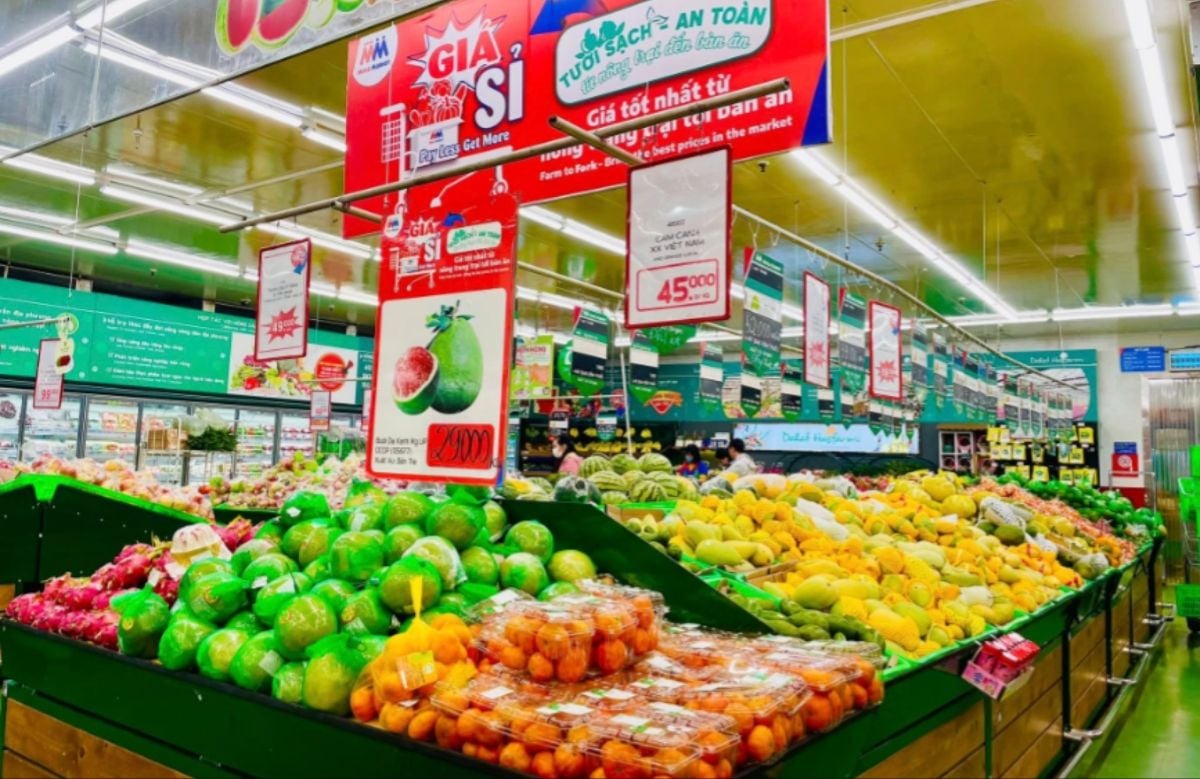
Against the backdrop of rising costs, a number of retail networks are rolling out large-scale promotions focused on essential goods. Retailers say the approach is designed to share cost pressures with consumers. Alongside price cuts, many are also boosting consumption of Vietnamese goods, regional specialties, and OCOP products to optimize operations and stabilize prices.
Nguyen Minh Tam, Head of the Merchandising Department at WinCommerce, said categories that depend on imported inputs or supply chains are also facing input-cost pressures. He highlighted foods, fast-moving consumer goods, and some imported agricultural products as areas under cost strain.
To help sustain purchasing power, WinCommerce is reducing reliance on imported goods. Mr. Nguyen Minh Tam said Vietnam has many domestic products and regional specialties that can replace imports, which can reduce logistics costs and improve supply autonomy.
At the Winmart supermarket network, an OCOP space is dedicated to promoting local Vietnamese products. The program includes items such as Hai Binh roasted cashews, Nang Huong rice vermicelli, and Tam Duc salted eggplant, with the aim of encouraging domestic consumption and helping brands reach a broad range of consumers.
In response to Vietnam Cooperative Day (April 11), Saigon Co.op launched the program “Celebrating Vietnamese Cooperative Day – Honoring Vietnamese Quality” from April 9 to 22, 2026 across its network. The initiative is intended to stimulate consumption and affirm the role of the cooperative economy in bringing Vietnamese goods—especially OCOP products—closer to consumers.
The program is implemented at more than 800 points nationwide. It focuses on increasing consumption of OCOP products and goods from the cooperative sector through price incentives and loyalty points for member customers.
Promoted products include regionally distinctive items such as Tay Ninh rice crackers, Dong Thap lotus leaf tea, Can Gio sun-dried fish, Tam Duc palm sugar, fragrant rice, and artichoke tea. Retailers say these products have clear origins and quality stories aligned with modern consumer trends.
From a business perspective, deeper involvement in distribution can ease consumption pressures on suppliers and help them invest in improving product quality. This is particularly relevant for the cooperative sector, where many unique local products exist but market capacity is limited.
When input costs remain high, retailers said shortening the supply chain and promoting domestic consumption can help share costs with businesses and stabilize the market.
On the distributor side, Ms. Nguyen Thi Bich Vân, Director of Communications at Central Retail, said the company has praised improvements in packaging and labeling. She said: “We want to source local specialty products to showcase across the national system, thereby stimulating demand and promoting Vietnamese goods more effectively. We particularly prioritize suppliers with OCOP certification, special cultivation standards, and green packaging initiatives.”
Despite expanding distribution channels, some firms remain hesitant to place goods on supermarket shelves due to legal paperwork procedures and the acceptance of long credit terms. These challenges are especially acute for fresh foods with short shelf life. High transportation costs can also push up prices, and underdeveloped brands may face difficulties competing.
In the near term, industry associations said supermarkets will implement mechanisms to support OCOP entities, including discounting, thematic weeks, and OCOP-focused fairs within store premises. Associations also plan direct meetings with OCOP actors to help them understand requirements, standards, and the potential for placing goods in modern retail.




Premium gym chains are entering a “golden era” that is ending or already in decline, as rising operating costs collide with shifting consumer preferences toward more flexible, community-based ways to exercise. Long-term memberships are shrinking, margins are pressured by higher rents and facility expenses, and competition from smaller, more personalized…