Rupee slides as India raises
gold and silver import duties to 15% to curb bullion imports.
India is implementing measures to curb imports of precious metals. Before the country sharply increased import duties on gold and silver, Prime Minister Narendra Modi urged citizens to refrain from buying gold for one year.
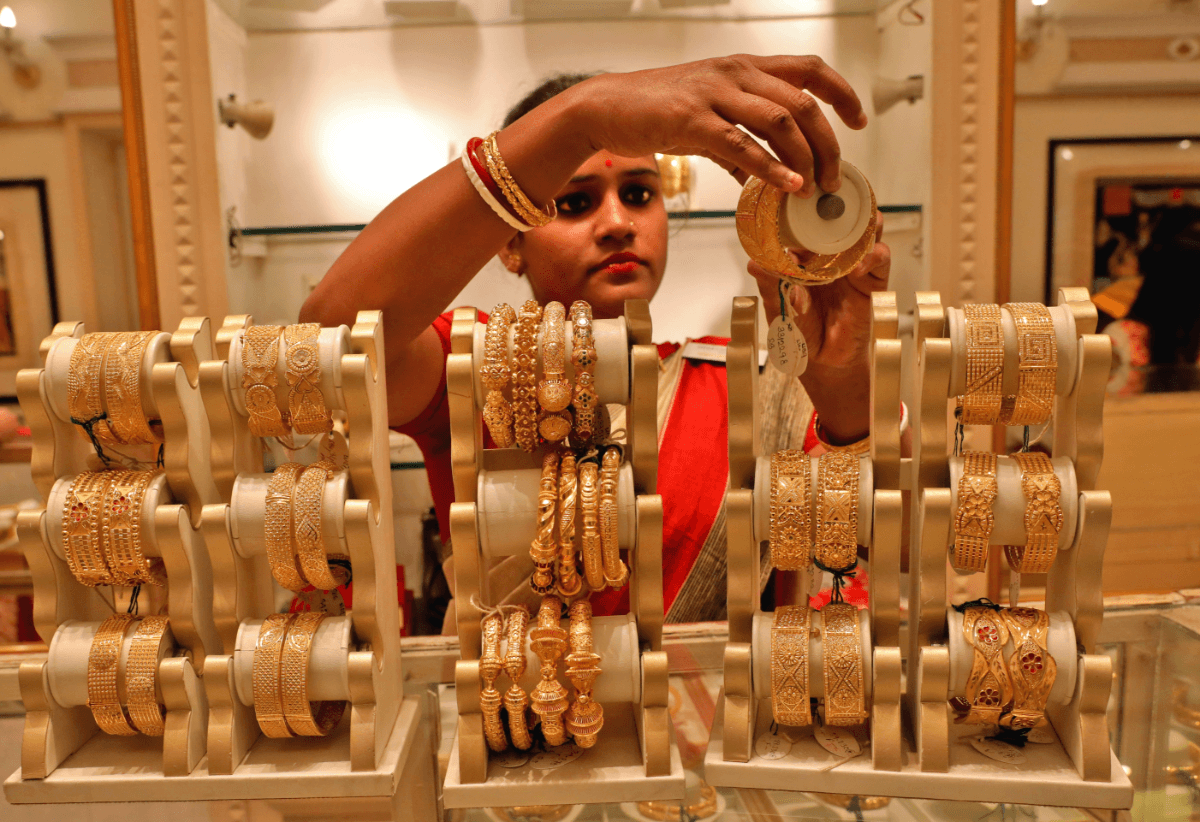
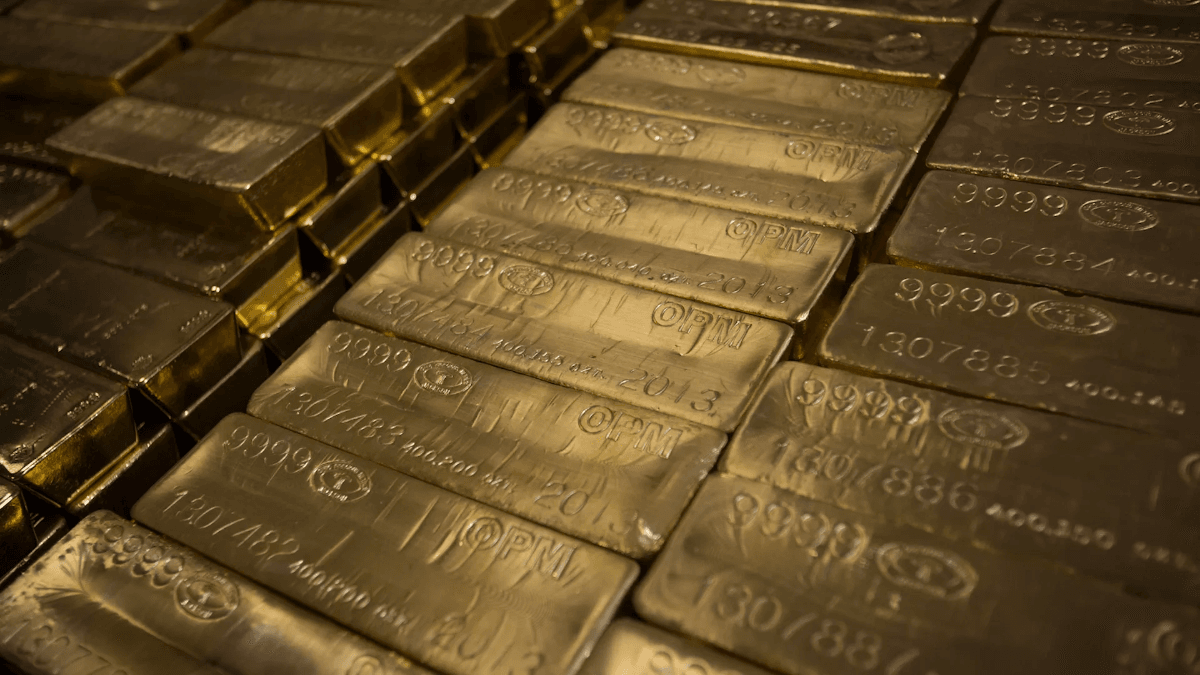
On May 13, the Indian government announced raising import duties on gold and silver from 6% to 15%. The move is part of an effort to curb the import of precious metals, thereby easing pressure on foreign exchange reserves.
The duty increase is expected to dampen demand for the precious metal in the world's largest consumer, thus reducing the trade deficit and supporting the rupee, Asia's worst performing currency this year.
Nevertheless, Indian gold industry leaders warned that higher import taxes could spur smuggling. After India reduced gold imports in mid-2024, gold smuggling into the country declined noticeably.
'As forecast, the Indian government has raised import duties on gold and silver to reduce the current account deficit. The move could affect demand because gold and silver prices are already high,' said Surendra Mehta, secretary general of the India Bullion and Jewellery Association.
On May 10, Modi urged Indians to avoid buying gold for a year to help preserve foreign exchange reserves. Almost all domestic gold demand is met through imports.
India's demand for gold, mostly for investment, has surged as global gold prices rose in recent years and domestic stock markets fell over the past year.
According to data from the World Gold Council (WGC), total demand for gold in India in Q1 this year rose 10% year-on-year to 151 tonnes. Of that, investment demand rose 54% to 82 tonnes.
Also per WGC, in March this year, Indian gold ETFs recorded a net inflow of 20 tonnes, up 186% year-on-year.
In recent weeks, India has sought to curb gold imports and began imposing integrated goods and services tax (IGST) on imported gold and silver. This move caused Indian banks to pause gold imports for more than a month.
As a result, gold imports in April fell to the lowest in nearly 30 years. Banks resumed imports after agreeing to pay the IGST of 3%. However, traders forecast gold imports will fall again due to higher tariffs.
'The black market could become more active, as the incentive to smuggle gold rises with current price levels,' a Mumbai-based trader said.
Oil prices rose due to the Iran conflict, placing further pressure on India's balance of payments and rupee. India is a major importer and consumer of oil, with about 90% of its oil needs and half of gas imports met by imports.
Forecasts show India's current account deficit will worsen sharply in the fiscal year starting April 2026 and ending March 2027, with a deficit possibly reaching $66-70 billion, versus an estimated $26-28 billion for 2025-26.
During trading on May 13, the rupee fell to an all-time low, around 95.8 rupees per USD. Since the U.S.-Iran conflict escalated in late February, the rupee has fallen more than 5%, making it Asia's worst performing currency year-to-date.
In 2012-2013, India also raised import duties on gold to stabilize the rupee.
Recently, the RBI has sold dollars to stem the rupee's slide, but such actions reduced foreign exchange reserves just when more foreign currency is needed to import energy. As of early May, India's foreign exchange reserves stood at about $690.7 billion.
A Barclays report on May 13 said the RBI could continue to implement further measures to support the rupee in the coming weeks, but 'raising rates to defend the rupee is the last option'. Barclays kept its rupee forecast at 96.8 rupees per USD by year-end.