•
•
•
•
•
•
•
•
•
•
•
•
•
•
•
•
•
•
•
•
•
•
•
•
•
•
•
•
•
•
•
•
•


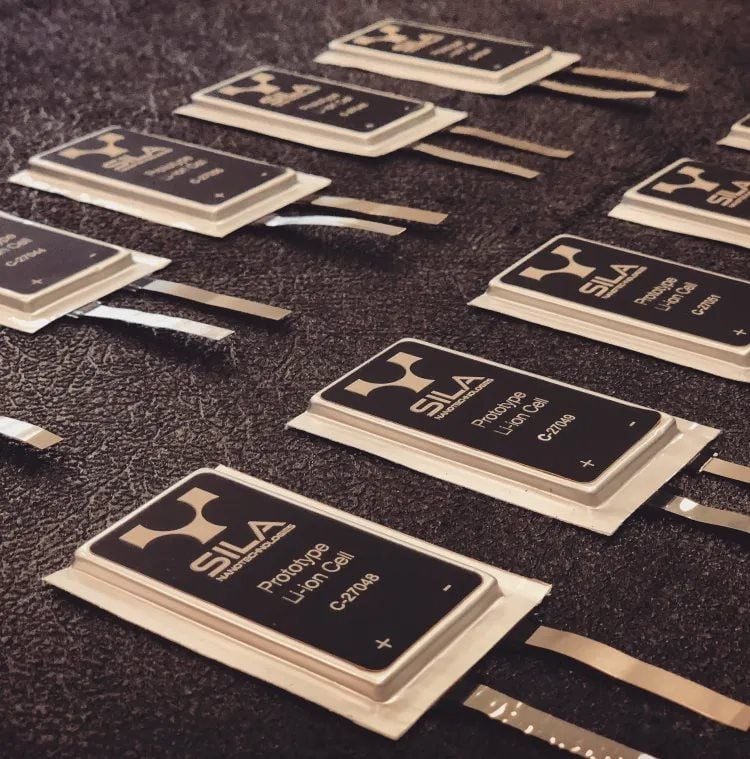
Smartphone makers are pursuing a paradox in battery design: internal battery capacity is rising even as devices become thinner and lighter. Whether consumers benefit from this shift depends largely on the durability and performance of the newer battery chemistry being adopted across the industry.
The key development is the spread of silicon-carbon batteries, which allow manufacturers to pack more energy into a battery cell of the same physical size. One example cited is Honor’s 8,000mAh battery, described as delivering energy comparable to some iPad models.
Another example is the Oppo Find N5, a foldable phone positioned as extremely thin while using a 5,600mAh battery—capacity typically associated with ultra flagship models.
Beyond Honor and Oppo, the technology is being pursued by major manufacturers including Huawei, Xiaomi, Vivo, OnePlus, and newcomers such as Nothing. The article also notes that silicon-carbon has moved beyond phones: it has been used in Whoop wearables since 2021, and electric vehicle makers from General Motors to Porsche are investing billions.
However, the article highlights a major gap: Apple, Samsung, and Google—three companies that dominate the U.S. market—have shown limited interest in the technology so far. The piece argues that this caution is notable given the clear application potential for silicon-carbon batteries, including in Samsung’s foldables and the upcoming ultra-thin iPhone Air.
Silicon-carbon batteries are presented as an evolution rather than a replacement for traditional lithium batteries. A battery relies on ion movement between two electrodes: a positive and a negative electrode.
Most current batteries use graphite as the anode. Silicon-carbon batteries use a blend of silicon and graphite. The article states that silicon has an energy density almost 10 times higher than graphite, meaning even a small silicon share can increase capacity.
Honor’s Magic V5 is cited as leading by replacing 15% of graphite with silicon, while other rivals typically use around 5%.
While adding more silicon can increase energy density, manufacturers cannot replace graphite with silicon entirely due to lifespan concerns. During charging, graphite expands only slightly, but silicon swells much more as it absorbs lithium ions. After hundreds of charge-discharge cycles, this expansion can damage the battery’s internal structure and cause faster aging.
The article notes that since the first phone using this technology—the Honor Magic 5 Pro—was introduced in 2023, long-term real-world data is still limited for assessing how severe the durability issue may be over years of use.
This durability risk is described as a key reason Apple, Samsung, and Google have remained cautious, particularly because they prioritize stability and long-term support.
In addition to technical concerns, the article points to regulatory requirements in the EU: batteries must retain 80% capacity after 800 cycles. Group14 is mentioned as claiming its silicon battery meets the standard, but the major tech firms remain cautious.
Shipping rules also create a practical barrier. Batteries with energy above 20Wh (about 5,400mAh) are classified as dangerous goods for air transport, which the article says can significantly increase air shipping costs.
As an example, the article states that Nothing Phone 3 in India uses a 5,500mAh battery, while the European version is reduced to 5,150mAh to avoid fees.
The article frames the current period as a transition from commercialization to real-world durability testing. If results are favorable, it expects a broader expansion of silicon-carbon adoption.
It suggests silicon content in the anode could rise to 20% or higher. If that happens, the article anticipates larger batteries becoming feasible in thinner devices, including batteries around 7,500mAh and even 10,000mAh models such as the Honor Power 2 (described as equivalent to a power bank).
For ultra-thin phones, the article expects models like the iPhone Air or China-based “Galaxy S25 Edge” clones to feature larger batteries than their official versions while maintaining similar thickness.
The biggest open question, according to the article, is when Apple, Google, and Samsung will officially join the technology. It speculates they may be waiting for complementary approaches that reduce silicon expansion, similar to how they have been cautious with fast charging.
It also notes that Samsung, after the Note 7 disaster nine years ago, is unlikely to compromise its reputation by pursuing capacity gains that could be viewed as risky.
Source: The Verge
According to Anh Phuong
Nhịp Sống Thị Trường





Premium gym chains are entering a “golden era” that is ending or already in decline, as rising operating costs collide with shifting consumer preferences toward more flexible, community-based ways to exercise. Long-term memberships are shrinking, margins are pressured by higher rents and facility expenses, and competition from smaller, more personalized…




