•
•
•
•
•
•
•
•
•
•
•
•
•
•
•
•
•
•
•
•
•
•
•
•
•
•
•
•
•
•
•
•
•


The Solana Foundation says the Solana network has already processed 15 million on-chain agent payments, arguing that stablecoins are emerging as the default payment rail for AI-driven compute and services.
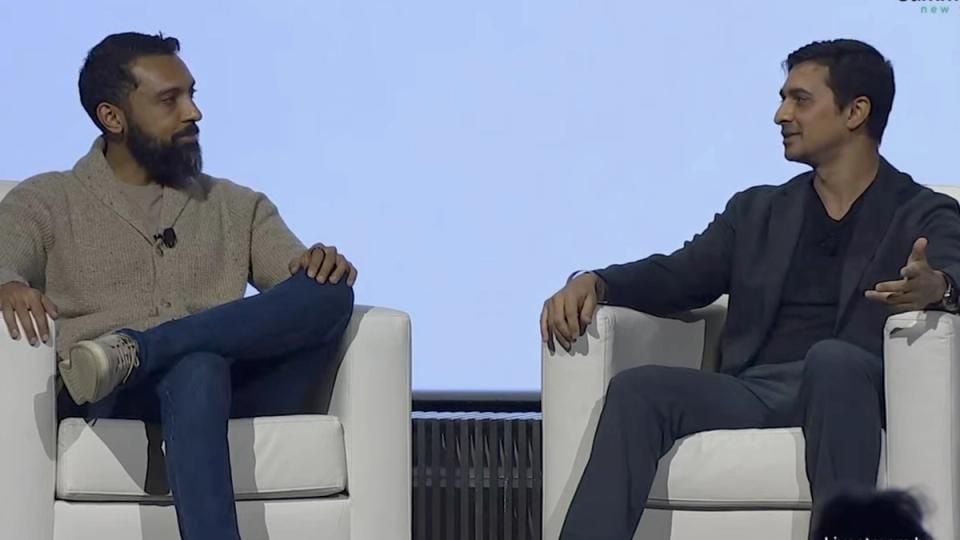
Speaking at a panel during the Digital Asset Summit (DAS) in New York, Vibhu Norby, chief product officer of the Solana Foundation, positioned Solana as core infrastructure for an emerging “agentic” internet—where AI systems, rather than humans, initiate and execute economic activity.
Norby said the network has processed “15 million payments onchain from agents,” largely tied to machine-to-machine commerce. He attributed the growing interest in crypto payments to their programmatic nature, adding that “stablecoins are going to be the default thing that agents use to pay for any computational resource.”
He also argued that agentic payments could reshape internet monetization by enabling sub-cent, pay-per-use transactions that traditional payment rails cannot support.
The Solana Foundation linked its performance-focused design to its suitability for agent-driven payments. Norby said agents are “cold, calculated machines” and do not follow “crypto religiosity,” adding that when asked how to pay for something with crypto, “most of the time, Solana is showing up at the top.”
The foundation also pointed to advances in AI that are lowering long-standing developer barriers, noting that tools now allow developers and machines to build across ecosystems more easily.
Norby said Solana developers are building directly for AI systems, emphasizing that “agents like APIs and documentation and skills.” He cited initiatives such as machine-readable “skill” files and AI-first developer platforms.
Looking ahead, Norby predicted a major change in how people interact with crypto, saying: “The default way people will interact with crypto is going to be through their agent… 95 to 99% of all transactions… will be coming from LLMs.”



Premium gym chains are entering a “golden era” that is ending or already in decline, as rising operating costs collide with shifting consumer preferences toward more flexible, community-based ways to exercise. Long-term memberships are shrinking, margins are pressured by higher rents and facility expenses, and competition from smaller, more personalized…