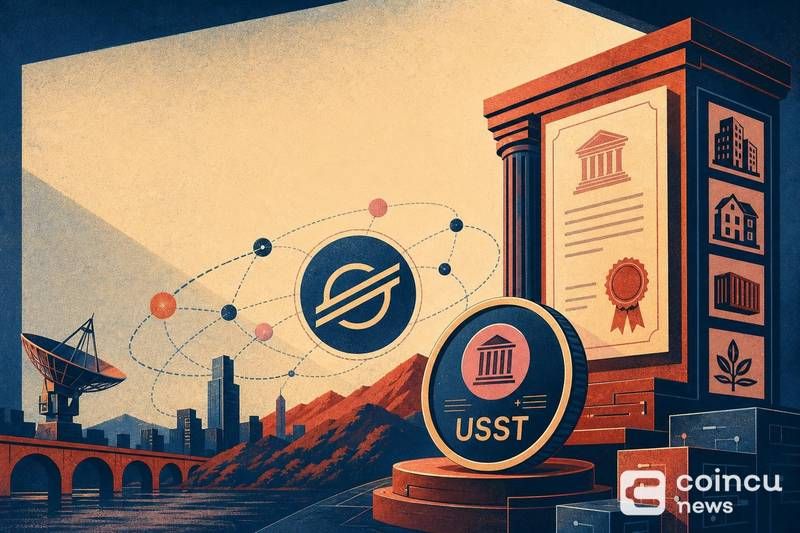
STBL has launched a real-world asset initiative on the Stellar blockchain designed to provide backing for its USST stablecoin, tying tokenized real-world assets directly to stablecoin infrastructure on a network built for fast, low-cost payments.
Stellar was purpose-built for payments and asset issuance, with a focus on low transaction fees and fast settlement—qualities that matter for stablecoin operations that require frequent transfers and redemptions. The project frames real-world asset tokenization as a way to back stablecoins by linking on-chain tokens to off-chain backing. The move aligns with growing institutional interest in real-world asset tokenization, as traditional finance participants begin to explore similar approaches.
BlackRock’s recent foray into stablecoin reserve management illustrates how traditional finance players are entering similar territory, highlighting the relevance of asset-backed stablecoins in mainstream finance.
The announcement scope is narrow: the launch occurred on the Stellar network, the product is named USST, and the real-world asset tokenization framework underpins the structure. Details beyond this framework remain limited at this stage. Previously, STBL was listed for trading on Binance Alpha, which provided earlier exchange visibility.
If the RWA backing is structured transparently, USST could benefit from a credibility advantage over algorithmic or under-collateralized stablecoins. The backing may support greater institutional trust and regulatory clarity. The launch could expand USST’s utility across Stellar’s ecosystem of payment applications and cross-border settlement channels, leveraging the network’s anchor system to connect on-chain tokens with off-chain banking infrastructure. Adoption, however, depends on disclosed reserve details, the redemption mechanism, third-party audits, and whether institutional partners commit to using the token.
The available information suggests this is an early-stage announcement. The distinction between confirmed facts (USST launched on Stellar with an RWA-backed design) and unverified operational details (reserve composition, compliance status, partner commitments) will be critical in evaluating the project’s viability. The broader trend toward real-world asset tokenization continues to expand across sectors as more issuers explore tokenizing traditional instruments on-chain.
Disclaimer: This article is for informational purposes only and does not constitute financial or investment advice. Cryptocurrency and digital asset markets carry significant risk. Always do your own research before making decisions.