U.S. stock futures were mixed on Friday after Thursday’s decline, as investors assessed developments in the Middle East following President Donald Trump’s announcement that the Israel-Lebanon ceasefire would be extended by three weeks.
On Thursday, the Dow Jones index closed down 179 points. The move reflected investors’ reaction to the evolving conflict and a downturn in the software sector.
At the time of writing, the 10-year Treasury yield stood at 4.316%, while the two-year yield was at 3.831%.
Using the CME Group’s FedWatch tool, markets were pricing a 99.5% likelihood that the Federal Reserve would leave interest rates unchanged in April.
On Thursday, utilities, industrials, and consumer staples recorded the biggest gains. Information Technology, consumer discretionary, and financials saw the largest declines.
Schwab analysts said geopolitics and oil remain key swing factors for markets. The firm noted that while oil at around $100 per barrel has not yet hurt equities, elevated prices keep inflation sensitivity high.
Schwab added that if oil rises from current levels near $96 per barrel, it could quickly lead to higher rates and risk premiums.
Next week is expected to be data- and earnings-heavy, with the release of the latest earnings reports from five of the seven Magnificent Seven companies.
In the near term, Friday’s calendar includes the University of Michigan’s final Consumer Sentiment Index reading for April at 10 a.m. ET, along with the New York Fed Staff Nowcast.
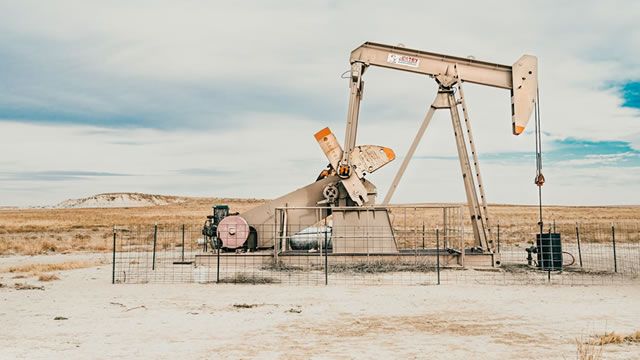
Crude oil futures were up 1.36% in early New York trading, hovering around $97.15 per barrel.
Gold spot (U.S. dollar) fell 0.15% to about $4,687.14 per ounce. Its last record high was $5,595.46 per ounce.
The U.S. Dollar Index spot was down 0.02% at 98.7490.
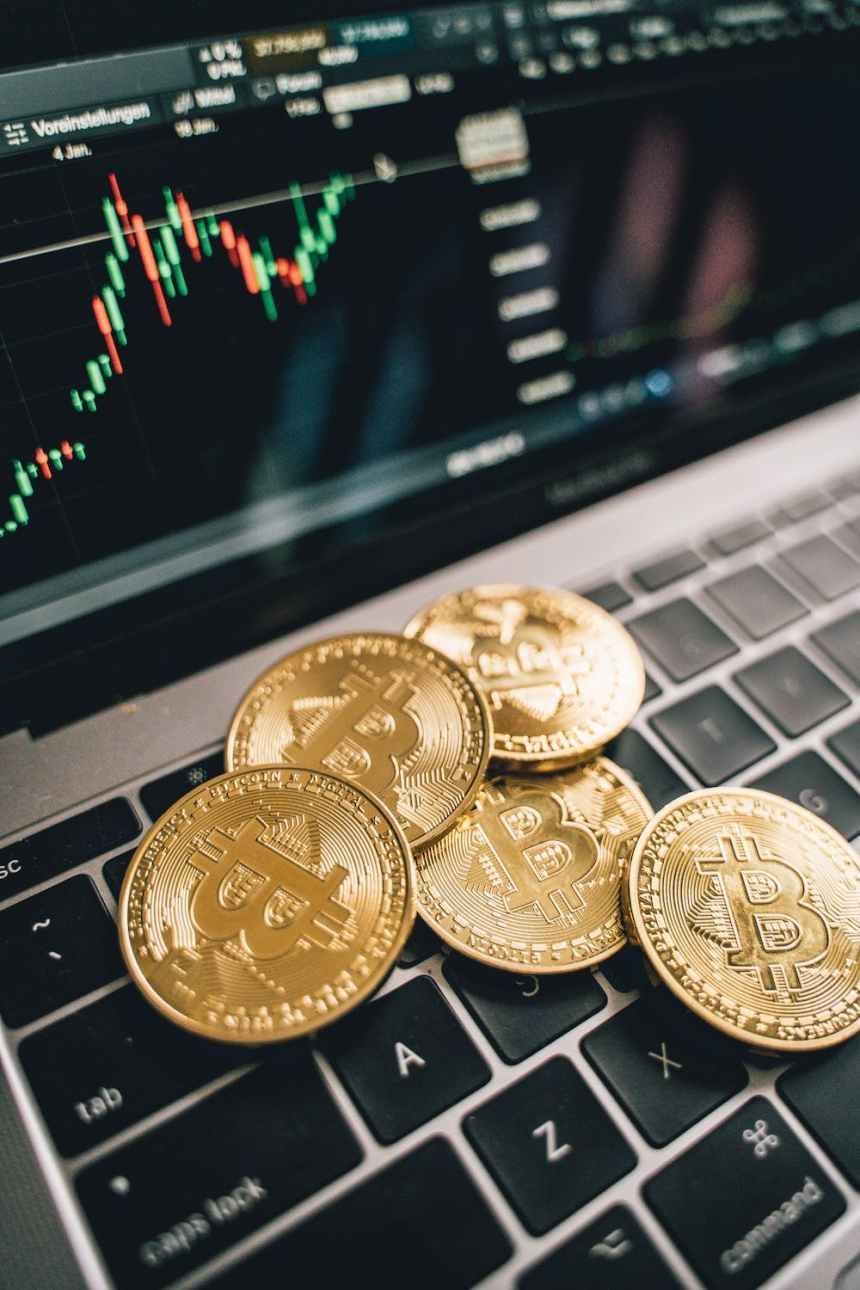
Bitcoin was trading 0.07% lower at $77,822.62 per coin over the last 24 hours.
Asian markets closed mixed on Friday. India’s Nifty 50 and Australia’s ASX 200 fell, while South Korea’s Kospi, Hong Kong’s Hang Seng, and Japan’s Nikkei 225 rose. European markets were mostly lower in early trade.