•
•
•
•
•
•
•
•
•
•
•
•
•
•
•
•
•
•
•
•
•
•
•
•
•
•
•
•
•
•
•
•
•


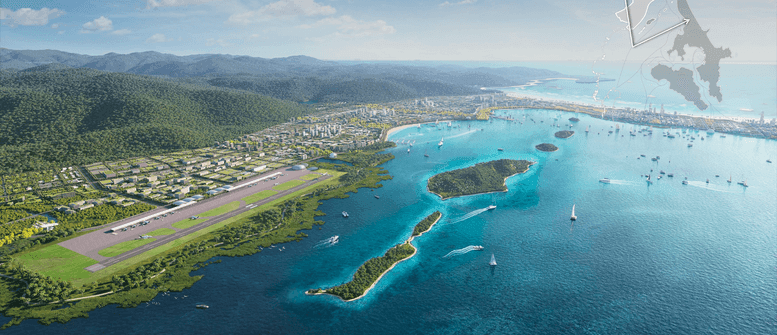
The Ministry of Construction has submitted to the Prime Minister for consideration and approval an outline to adjust the national airport system planning for the period 2021–2030, with a vision to 2050. The planning is intended as a key component of national economic and social infrastructure and is designed to be dynamic and open, supporting socio-economic development and regional balance while ensuring defense and security, air sovereignty, emergency response capability, and alignment with other transport modes.
The adjustment aims to mobilize maximum resources for investment in aviation infrastructure while balancing the interests of the State, citizens, and enterprises. It includes:
The outline includes steps to assess necessity; define viewpoints and objectives; analyze factors and conditions in the relevant areas; formulate technical and socio-economic conditions for the proposed changes; and integrate the proposals with land-use planning. The implementation period is about three months from approval of the outline to submission to the Prime Minister. The Ministry of Construction will prepare the adjustment and ensure compliance with the planning law, with other ministries and localities cooperating.
The outline specifies the following scale and investment estimates:
The upgrade of Quang Tri airport from 4C to 4E is linked to its strategic position along the East–West economic corridor and the PARA-EWEC corridor connecting Laos and Thailand, as well as new demand following integration with the former Quang Binh.
Alongside the planning changes, the Civil Aviation Authority of Vietnam proposes adjusting the investment capital requirement for developing the airport system to 2030 to about 499.619 billion VND. The funding would come from the state budget, non-state funds, and other lawful sources.





Premium gym chains are entering a “golden era” that is ending or already in decline, as rising operating costs collide with shifting consumer preferences toward more flexible, community-based ways to exercise. Long-term memberships are shrinking, margins are pressured by higher rents and facility expenses, and competition from smaller, more personalized…




