•
•
•
•
•
•
•
•
•
•
•
•
•
•
•
•
•
•
•
•
•
•
•
•
•
•
•
•
•
•
•
•
•


Imported fruits, once largely limited to specialty stores, are now appearing across supermarkets and open markets, with prices in many cases falling by as much as half as supply increases.
In the past two weeks, Ms. Thanh Hoa in Tan Thoi Hiep Ward (Ho Chi Minh City) said she no longer needs to rely on contacts in the Mekong Delta to buy thanh tra fruit. The fruit, previously scarce, is now widely available in markets and supermarkets—mostly as Thai imports—with prices cut from around 120,000 VND per kg to 50,000 VND per kg.
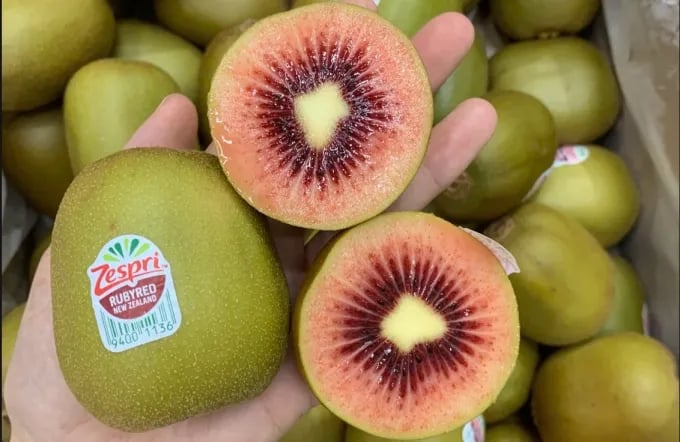
Other imported fruits including apples, grapes, kiwifruit, peaches, and plums have also become more common in traditional markets and imported shops, spanning a wide range from affordable to premium products.
Ms. Minh in An Hoa Dong Ward noted that New Zealand kiwifruit used to be concentrated in the high-end segment, but consumers now have lower-priced alternatives. Chinese kiwifruit is priced at about 90,000–120,000 VND per kg, while premium varieties range from 150,000–350,000 VND per kg.
At Ba Chieu Market in Gia Dinh District, observers reported that the share of imported fruits on stalls has risen from roughly 20% to 30–40%, and can reach 50% during peak seasons. Supply from China, Thailand, and Australia has increased during harvest periods, contributing to broader price reductions.
For example, Australian mandarins that were previously priced at 500,000 VND per kg are now selling at 120,000–170,000 VND, putting them in direct competition with Chinese mandarins at 60,000–80,000 VND.
Imported fruits are not only present in traditional markets but are also widely distributed through modern retail. In supermarkets and convenience stores, consumers can find fruits from Australia, China, Thailand, and New Zealand, with clear labeling and traceability.
According to the article, improved availability is also extending to e-commerce channels for fruits that were previously considered premium, including US cherries, US apples, and New Zealand kiwifruit.
Behind the rapid rise in supply and the downward trend in prices are structural changes in the market. Mr. Lu Minh Quang, Director of Import at Biovegi Vietnam, said that free trade agreements such as EVFTA and CPTPP have reduced tariffs on many fruit categories to low levels or zero.
He also cited policy adjustments that lower import costs for key products. From 2025, import tariffs on US cherries are set to fall from 10% to 5%, and US apples from 8% to 5%, supporting lower retail pricing.
Beyond tariffs, the cold-chain logistics system is improving, and competition among importers is reducing distribution costs. These factors help expand the availability of fruits that were once priced at the top end.
On the demand side, rising incomes and changing consumer habits are also contributing to higher imports. The article links growth to an expanding middle class and increased demand for temperate, premium fruits—both for consumption and as gifts—along with faster access through modern retail systems.





Premium gym chains are entering a “golden era” that is ending or already in decline, as rising operating costs collide with shifting consumer preferences toward more flexible, community-based ways to exercise. Long-term memberships are shrinking, margins are pressured by higher rents and facility expenses, and competition from smaller, more personalized…